


How Long Do Fire Alarm Batteries Last?
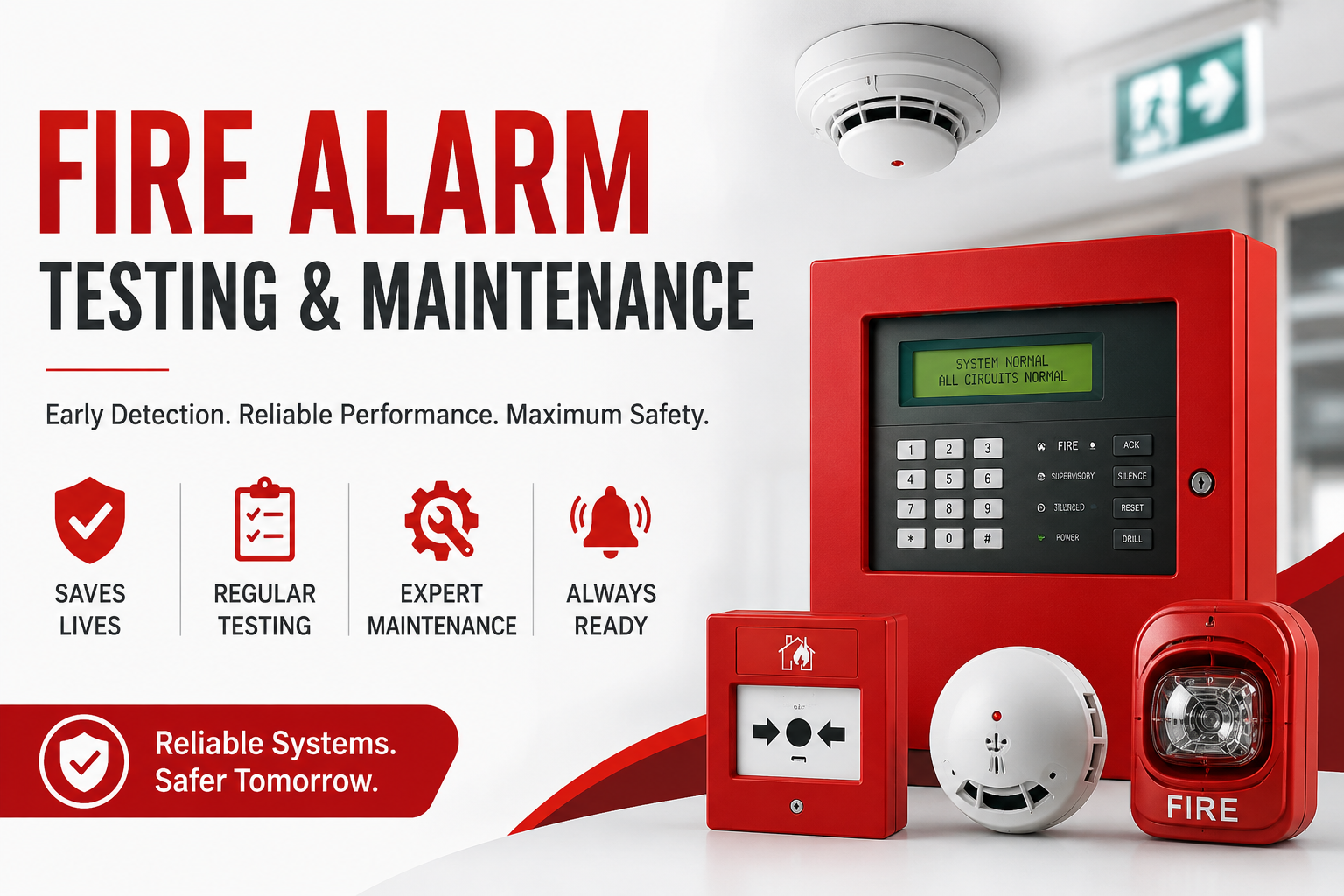
Early detection and uninterrupted operation are the backbone of life-safety engineering—so understanding how long fire alarm batteries last is essential for reliable protection. Batteries keep a Fire Alarm System alive during mains failures, support wireless detectors, and enable supervised reporting to monitoring stations. Battery lifespan depends on system type, battery chemistry, load profile, environmental conditions, and maintenance discipline. Below I explain typical lifetimes, factors that reduce battery life, testing and replacement best practices, and how to specify batteries for both residential and commercial installations.
What a Fire Alarm System battery does
A Fire Alarm System relies on batteries for two primary functions: maintain panel and loop operation during mains loss (standby and alarm runtime) and power wireless devices or communication modules. For monitored systems, batteries must support alarm transmission and supervision until mains is restored or until emergency services arrive.
Typical battery types and lifetimes
-
Sealed lead-acid (SLA/VRLA): The most common for fire alarm system panels. In normal conditions SLA batteries last 3–5 years in standby service; higher ambient temperatures or frequent discharge shorten life.
-
Lithium primary cells: Used in many standalone wireless smoke detectors and home fire alarm system devices. Life varies from 5 up to 10 years depending on device sleep cycles and signalling frequency.
-
Nickel-metal hydride (NiMH): Less common, used in some rechargeable detector modules; lifetimes are typically 2–4 years in heavy duty use.
-
Maintenance-free advanced chemistries: Emerging options (lithium‑ion with managed chargers) are appearing in some commercial fire alarm system equipment but require manufacturer-approved management systems.
Factors that determine battery life
-
Ambient temperature: Every 10 °C increase above 20–25 °C can halve SLA battery life. Install batteries in a temperature-controlled enclosure where possible.
-
Depth and frequency of discharge: Frequent alarms, fault conditions, or long supervisory tests accelerate degradation.
-
Charger quality and float voltage: Overcharging or undercharging reduces life. Panels with precise float-voltage control and temperature compensation extend battery longevity.
-
Load profile: Systems with many wireless devices, aspirating fans, or strong notification loads require larger battery capacity and will draw more during alarm conditions.
-
Manufacturing quality and storage: Use batteries from reputable manufacturers and avoid long storage without proper charge cycles.
Sizing batteries correctly
Battery sizing is an engineering task. Codes and manufacturer guidance require batteries sized for specified standby and alarm runtimes (commonly 24 hours standby plus 5–30 minutes alarm for many commercial systems; residential requirements vary). Sizing calculations include panel quiescent current, detector loop current, notification appliance loads, communication modules, and worst-case alarm loads. Always allow margin for battery aging and temperature effects.
Maintenance and testing that extend life
-
Regular visual inspections: Quarterly checks for corrosion, swelling, or loose terminals.
-
Float-voltage and charger checks: Verify charger behavior quarterly.
-
Capacity testing: Annual load or discharge tests measure actual capacity; more critical installations may require semi-annual tests.
-
Replace proactively: For SLA batteries, plan replacement every 3–5 years or sooner if capacity tests show degradation below manufacturer thresholds.
-
For wireless detectors: Replace primary lithium cells at manufacturer-recommended intervals (often 5–10 years) or when low-battery alerts occur.
Battery backup for fire alarm system considerations
Ensure the fire alarm system panel monitors battery condition and reports low-battery or charger faults to onsite staff and remote monitoring. For systems with fire alarm system remote monitoring, central stations should receive trouble signals for battery faults so corrective action is prompt.
Special considerations for wireless systems
Wireless fire alarm system devices use internal batteries that must be managed differently from panel batteries. Device batteries last longer when reporting intervals are minimal and when mesh networks reduce retransmission. Still, scheduled battery replacement is essential, and installers should include device-level battery checks during routine maintenance.
Practical examples
-
Single-family house fire alarm system with battery-powered detectors: Primary lithium batteries in detectors typically last 7–10 years; replace sooner if the device signals low battery.
-
Small commercial addressable panel: SLA batteries sized for 24-hour standby plus 30-minute alarm runtime, with annual capacity testing and replacement at year 3–5.
-
Monitored multi-tenant building: SLA bank sized per manufacturer calculation, dual-path communications, annual battery discharge tests, and proactive replacement every 3 years to meet insurer expectations.
Choosing quality batteries and suppliers
Work with established fire alarm system suppliers and fire alarm system companies who understand charger settings, temperature compensation, and warranty conditions. Cheap batteries or incorrect chemistry can cause failures and void equipment warranties. When specifying, require manufacturer-approved batteries and documented battery sizing reports.
Common mistakes to avoid
-
Ignoring ambient temperature impact on battery life.
-
Relying on visual checks only; skipping capacity testing.
-
Using generic batteries not approved by the panel manufacturer.
-
Delaying replacement until batteries fail; this risks loss of protection.
-
Forgetting to test battery-backed telemetry modules that support remote monitoring.
Buyer’s checklist
-
Request battery sizing calculations with margin for aging and temperature.
-
Confirm maintenance intervals: visual checks quarterly, capacity tests annually.
-
Specify manufacturer-approved batteries and document serial numbers at commissioning.
-
Include battery replacement tasks in AMC agreements.
-
Verify that the panel reports battery status to both the local annunciator and any central monitoring station.
Conclusion
There’s no single answer to “How long do fire alarm batteries last?”—but practical engineering guidance helps. Sealed lead‑acid batteries in panels typically last 3–5 years; primary lithium cells in wireless detectors often last 5–10 years. Lifespan is governed by temperature, discharge cycles, charger control, and maintenance. Specify correctly sized batteries, implement scheduled capacity testing, and replace proactively as part of a robust maintenance program. For detailed battery sizing, commissioning, and integration with fire alarm system remote monitoring, consult specialists during the Fire alarm system installation to ensure continuous protection, reliable emergency signalling, and regulatory compliance.
Categories
Read More
ORDER NOW : https://healthyifyshop.com/OrderEasyCanvasPrints If you’re looking for a simple way to turn digital memories into something tangible, Easy Canvas Prints is definitely worth considering. It combines ease of use, good quality, and affordability making it a solid choice for both personal use and gifting.For more information...

In the traditional contact center model, Quality Assurance (QA) was a manual, painstaking process. Team leads and QA managers would randomly select a handful of calls—often less than 2% of the total volume—to listen to and score against a rubric. This approach was not only time-consuming but also statistically insignificant, leaving a massive blind spot regarding the true customer...

A sharp pyramid of ice and rock rises above the Khumbu valley, and Ama Dablam instantly steals every eye that sees it. The Ama Dablam Expedition is one of the most unforgettable adventures in Nepal, and it is also carefully organized with the support of Nepal Social Treks, a trusted company that helps climbers experience the Himalayas safely and meaningfully. This peak is not just a...

The Niki Live Agency Commission program offers an exciting opportunity for individuals looking to build a rewarding online business. By joining a Niki Live agency, you can earn commissions by recruiting and managing talented hosts on the platform. The commission structure is designed to reward growth, consistency, and team performance, making it possible to generate a steady monthly...

"Fishmeal and Fish Oil Market Summary According to the latest report published by Data Bridge Market Research, the Fishmeal and Fish Oil Market The Fishmeal and Fish Oil Market size was valued at USD 13.34 billion in 2024 and is expected to reach USD 19.56 billion by 2032, growing at a CAGR of 4.90% during the forecast period Fishmeal and Fish Oil Market report offers a thorough...

