Curtains: The Art and Function of Window Dressing
Introduction
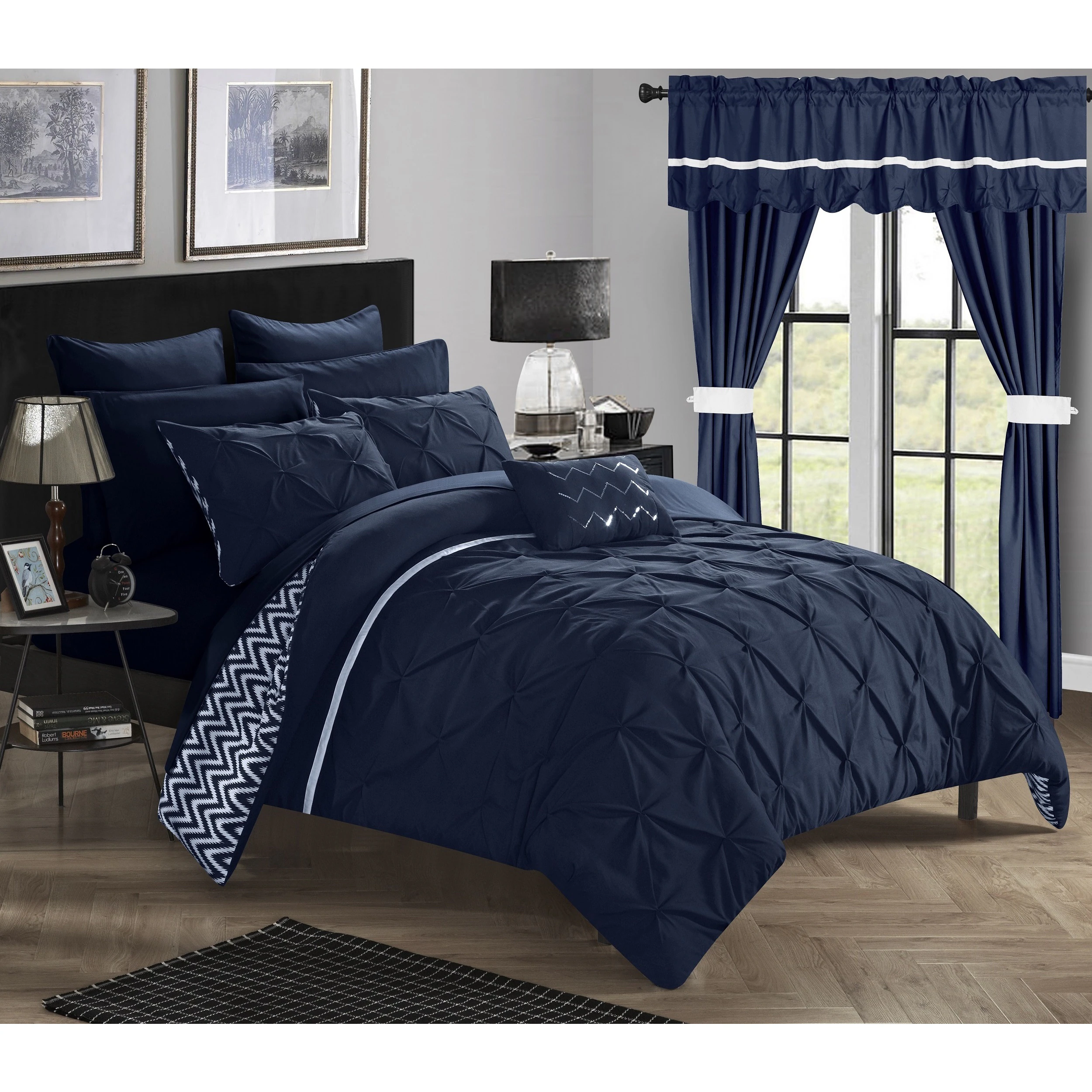
Curtains are far more than simple pieces of fabric hung over windows. They serve as a bridge between architecture and personal style, controlling light, preserving privacy, regulating temperature, and adding a finishing touch to any room. While often overlooked in everyday conversation, curtains play a quiet but powerful role in shaping how a space feels and functions. From grand palace halls to modest apartments, curtains have remained a constant feature of human dwellings, evolving in material, design, and purpose over centuries.
A Brief History of Curtains
The use of curtains dates back thousands of years. Ancient civilizations such as the Egyptians and Greeks used woven fabrics and animal skins to cover doorways and openings, primarily for protection against weather and insects. During the medieval period in Europe, heavy tapestries were hung not just for privacy but also for insulation, since thick stone walls and small windows made castles notoriously cold.
By the Renaissance era, curtains had become symbols of wealth and status. Wealthy households displayed elaborate drapery made from silk, velvet, and brocade, often embroidered with intricate patterns. The Industrial Revolution later changed everything, as mechanized looms made fabric production faster and cheaper, allowing curtains to become accessible to the middle class. Today, curtains are manufactured in countless styles and materials, available to suit any budget or design preference.
The Functional Role of Curtains
Beyond aesthetics, curtains serve several practical purposes that make them an essential part of interior design.
Light Control
One of the most important functions of curtains is managing natural light. Sheer curtains allow soft, diffused sunlight to filter into a room, creating a warm and airy atmosphere. Blackout curtains, on the other hand, block sunlight almost entirely, making them ideal for bedrooms, nurseries, or media rooms where darkness is preferred.
Privacy
Curtains offer a simple yet effective way to maintain privacy, especially in homes located close to streets or neighboring buildings. Unlike blinds, fabric curtains can fully obscure window views while still allowing airflow when partially open.
Insulation and Energy Efficiency
Heavy curtains made from thick materials like velvet or wool can act as insulators, trapping warm air inside during winter and blocking heat during summer. This insulation effect can reduce energy costs by minimizing the need for excessive heating or air conditioning.
Noise Reduction
Dense fabrics also absorb sound waves, helping to reduce outside noise pollution. This makes curtains particularly useful in urban environments or rooms located near busy roads.
Types of Curtains
Curtains come in a wide variety of styles, each suited to different needs and aesthetics.
Sheer Curtains are lightweight and translucent, allowing light to pass through while softening harsh sunlight. They are often used in layers with heavier curtains for added versatility.
Blackout Curtains are designed with thick, light-blocking fabric and are popular in bedrooms or spaces requiring complete darkness.
Thermal Curtains are engineered specifically for insulation, helping maintain consistent indoor temperatures throughout the year.
Tab-Top Curtains feature fabric loops at the top that slide directly onto a curtain rod, offering a casual, relaxed appearance.
Grommet Curtains use metal rings along the top edge, allowing curtains to glide smoothly across the rod while creating neat, uniform folds.
Valances and Swags are decorative curtain toppers used to conceal curtain rods or add an elegant finishing touch, often paired with full-length drapes.
Choosing the Right Fabric
Fabric selection significantly influences both the function and appearance of curtains. Cotton is breathable, easy to maintain, and works well in casual settings. Linen offers a relaxed, textured look suited to natural or minimalist interiors. Velvet provides a luxurious, heavy drape, ideal for formal spaces and excellent insulation. Polyester blends are budget-friendly, durable, and resistant to wrinkling, making them a practical choice for everyday use. Silk delivers a refined, glossy finish often reserved for high-end or formal interiors, though it requires more delicate care.
When selecting fabric, it is important to consider not only appearance but also practicality—factors such as sunlight exposure, humidity levels, and the room's overall function should guide the decision.
Curtains in Interior Design
Curtains contribute significantly to the visual harmony of a room. They can either blend seamlessly with the wall color for a subtle, cohesive look or serve as a bold contrast that draws attention to the window area. Pattern selection—stripes, florals, geometric prints, or solid colors—can influence the perceived size and mood of a space. Vertical stripes, for instance, create an illusion of height, while horizontal patterns can make a room appear wider.
The way curtains are hung also matters. Mounting curtain rods closer to the ceiling rather than directly above the window frame can make rooms feel taller and more spacious. Allowing curtains to lightly touch or pool on the floor adds a touch of elegance, while curtains that hover just above the floor lend a clean, modern aesthetic.
Caring for Curtains
Proper maintenance extends the lifespan of curtains and keeps them looking fresh. Most curtains accumulate dust over time, so regular vacuuming or shaking outdoors can help maintain cleanliness. Care instructions vary by fabric type—cotton and polyester blends are often machine washable, while delicate fabrics like silk or velvet typically require professional dry cleaning. Exposure to direct sunlight over long periods can cause fading, so rotating curtains or using liners can help preserve their color and structural integrity.
Conclusion
Curtains are a timeless element of interior design that combine functionality with artistic expression. They regulate light, ensure privacy, improve insulation, and reduce noise, all while enhancing the visual identity of a space. With countless fabric choices, styles, and hanging techniques available, curtains offer endless possibilities for personalizing any room. Whether chosen for practical necessity or decorative flair, curtains remain an enduring feature of homes around the world, proving that even the simplest household items can carry both history and purpose.
Categorieën
Read More
A confident smile plays a significant role in creating a positive first impression and improving self-esteem. Whether you are looking to correct stained, chipped, uneven, or slightly misaligned teeth, a cosmetic smile makeover can dramatically enhance your appearance. Hollywood Smile in Islamabad has become an increasingly popular solution for individuals who want to achieve a...
When planning a relocation, choosing a reliable moving company from qatar is one of the most important decisions you can make. Whether you're moving locally, relocating internationally, or need a safe place to store your belongings, ISS Relocations Qatar offers comprehensive moving and storage solutions tailored to your needs. With years of experience and a dedicated team of professionals, the...

Do you feel like there is a mountain of content on the top of your website? You aren’t alone. It is becoming the case that traditional SEO, or simply focusing on keywords and backlinks, is no longer effective for many business owners in India. Search engines have transformed into answer engines, and unless you change with the times, you may find yourself being swept under the carpet...

Have you been noticing your clothing becoming more comfortable on you, even though you have not altered your eating habits or physical activity? While for most people losing weight is exciting, if you are experiencing unexpected weight loss, it may indicate an illness or something that requires medical help. When we speak of unintentional weight loss, we typically mean losing over 5% of a...