Are Varicose Veins a Warning Sign of Poor Circulation?
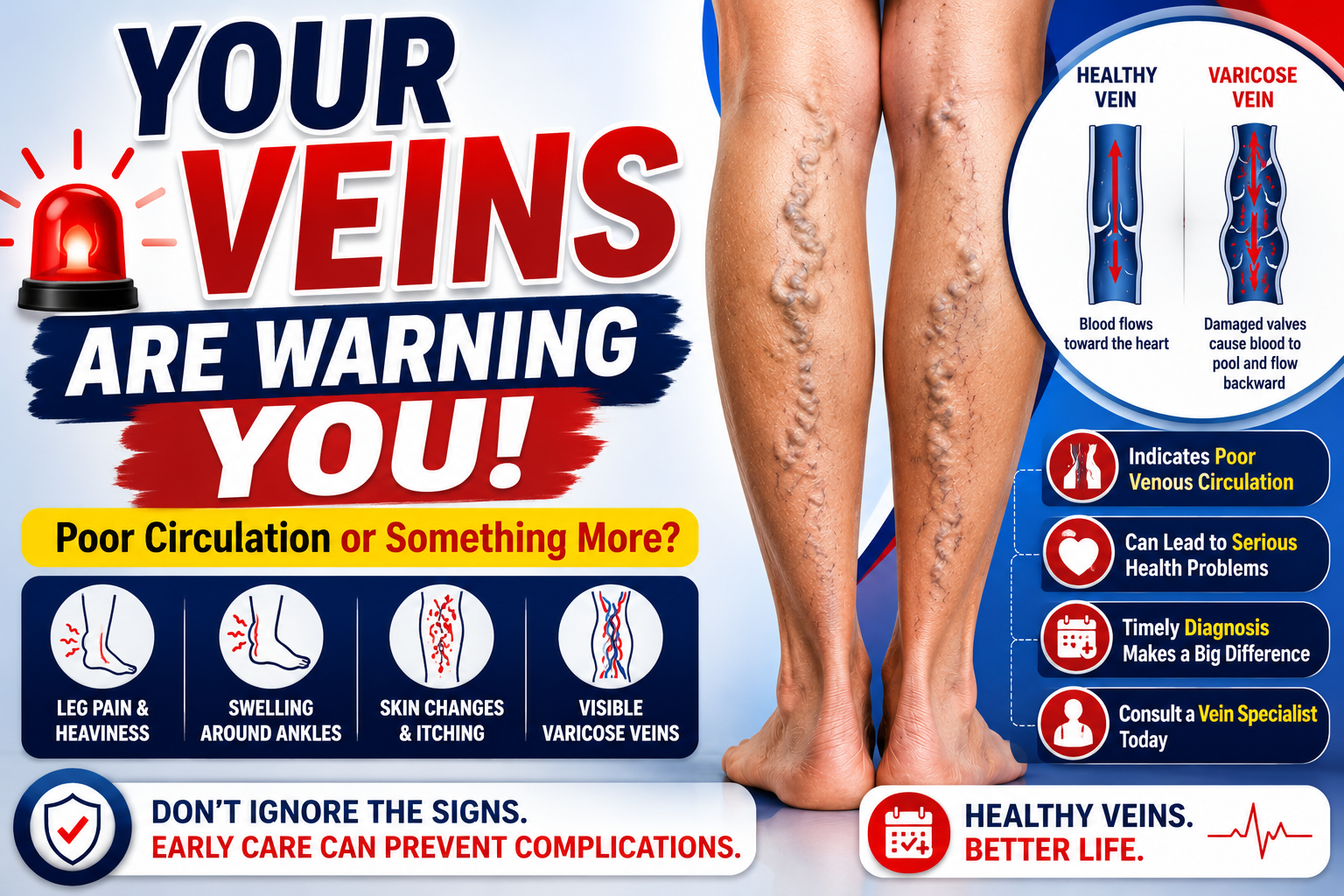
Varicose veins can be a warning sign of poor circulation, but not in the way many people assume. The condition usually indicates a problem with the veins that return blood from the legs to the heart rather than a problem with arteries that deliver blood to the legs.
When the valves inside leg veins stop working properly, blood begins to pool, creating increased pressure and causing veins to enlarge.
Many people view varicose veins as a cosmetic issue because the visible veins often attract the most attention. However, aching legs, heaviness, swelling, itching, and fatigue can all suggest that circulation within the veins is becoming less efficient. Understanding the relationship between varicose veins and circulation can help explain why some people develop symptoms while others notice only visible veins.
What Does “Poor Circulation” Actually Mean?
Poor circulation is a broad term that describes blood flow that is not functioning as efficiently as it should.
The body relies on arteries to carry oxygen-rich blood away from the heart and veins to return blood back to the heart. Problems can occur in either system.
When most people hear the phrase "poor circulation," they often think of blocked arteries. However, circulation problems can also develop when veins struggle to move blood upward against gravity.
Varicose veins are primarily a venous circulation problem rather than an arterial circulation problem.
Understanding this distinction is important because the causes, symptoms, and treatments are very different.
How Do Varicose Veins Affect Blood Flow?
Healthy veins contain one-way valves that prevent blood from flowing backward.
These valves open to allow blood to move toward the heart and close to stop it from falling back down the leg. When the valves become damaged or weakened, blood begins to pool within the vein.
The trapped blood increases pressure inside the vessel and causes the vein to enlarge.
According to the National Health Service (NHS), varicose veins develop when vein valves fail to function properly, allowing blood to collect inside the affected veins.
The visible veins seen beneath the skin are often evidence of this underlying circulation problem.
Are Varicose Veins Always a Sign of Serious Circulatory Disease?
Not necessarily.
Many people with varicose veins never develop serious complications. Some experience only mild symptoms or cosmetic concerns throughout their lives.
However, varicose veins should not be dismissed completely. The condition indicates that normal venous blood flow has been disrupted.
The severity of the circulation problem can vary significantly from one person to another. Some patients have visible veins with minimal symptoms, while others experience swelling, pain, or skin changes.
The appearance of symptoms often provides important clues about the extent of the underlying vein dysfunction.
What Symptoms Suggest Circulation Is Becoming Less Efficient?
Visible veins are not always the first sign of a circulation problem.
Many patients report symptoms such as:
-
Leg heaviness
-
Aching discomfort
-
Swelling around the ankles
-
Burning sensations
-
Itching over affected veins
-
Night cramps
-
Tired legs after standing
These symptoms often become more noticeable at the end of the day because gravity increases pressure inside already weakened veins.
The Society for Vascular Surgery recognizes these symptoms as common manifestations of chronic venous disease.
When symptoms begin interfering with daily activities, medical evaluation may be beneficial.
Can Varicose Veins Lead to Chronic Venous Insufficiency?
Yes.
Chronic Venous Insufficiency (CVI) develops when veins cannot efficiently return blood to the heart over an extended period.
As blood continues to pool inside the legs, pressure gradually affects surrounding tissues and skin. This can lead to swelling, inflammation, skin discoloration, and other complications.
According to the American Heart Association, chronic venous insufficiency results from long-term impairment of venous blood flow, often due to damaged vein valves.
Varicose veins are one of the most common conditions associated with this process.
How Are Varicose Veins Different From Peripheral Artery Disease?
This distinction often causes confusion.
Peripheral Artery Disease (PAD) occurs when arteries become narrowed and restrict blood flow to the legs. Varicose veins involve the veins rather than the arteries.
PAD commonly causes symptoms such as:
-
Leg pain during walking
-
Cold feet
-
Slow-healing wounds
-
Reduced pulses
Varicose veins are more likely to cause:
-
Swelling
-
Heaviness
-
Aching
-
Visible enlarged veins
-
Skin irritation
Although both conditions affect circulation, they involve different parts of the vascular system and require different treatment approaches.
Why Do Symptoms Often Worsen After Standing?
Standing places additional demands on the veins.
Gravity continuously pulls blood toward the feet. Healthy veins use functioning valves and leg muscle contractions to move blood back toward the heart.
Damaged veins struggle with this process.
As blood pools throughout the day, pressure increases inside the affected veins. This increased pressure contributes to swelling, aching, and heaviness that many patients notice in the evening.
Temporary relief often occurs after elevating the legs because blood can flow more easily back toward the heart.
When Should Varicose Veins Be Evaluated?
Not every visible vein requires treatment.
However, evaluation may be appropriate when symptoms include:
-
Persistent leg discomfort
-
Recurrent swelling
-
Skin discoloration
-
Bleeding from a vein
-
Itching around the ankles
-
Slow-healing wounds
Early assessment can help determine whether the circulation problem is mild or progressing toward more advanced venous disease.
Many patients are surprised to learn that symptoms can often be addressed before significant complications develop.
Can Treatment Improve Circulation?
Yes.
Modern treatments focus on improving venous blood flow by addressing the diseased vein responsible for abnormal circulation.
Procedures such as Endovenous Laser Ablation (EVLA), Radiofrequency Ablation (RFA), foam sclerotherapy, and Venaseal close malfunctioning veins and redirect blood through healthier pathways.
Rather than reducing circulation, these treatments improve the efficiency of blood return from the legs.
The goal is to reduce symptoms, relieve pressure, and restore healthier venous function.
Conclusion
Varicose veins can be a warning sign that blood is not circulating efficiently through the veins of the legs. While the condition is not always serious, it does indicate that the normal valve system responsible for returning blood to the heart is no longer functioning properly. Visible veins may be the most obvious sign, but symptoms such as swelling, heaviness, aching, and skin changes often reveal a deeper circulation issue.
The encouraging news is that modern vein treatments can address the underlying cause of venous circulation problems before complications develop. Early evaluation can help determine the extent of the condition and identify the most appropriate treatment approach. Those seeking additional information about vein health and minimally invasive treatment options can learn more from the best doctor for varicose veins in jaipur and explore available solutions for improving long-term vein function.
Frequently Asked Questions
Do varicose veins mean blood is not circulating properly?
Varicose veins usually indicate that blood is not flowing efficiently through the affected veins. Damaged valves allow blood to pool, creating increased pressure inside the veins.
Are varicose veins the same as poor arterial circulation?
No. Varicose veins affect the veins, while poor arterial circulation typically involves narrowed arteries that reduce blood flow to the legs.
Can varicose veins cause leg swelling?
Yes. Increased pressure within damaged veins can cause fluid to accumulate in surrounding tissues, leading to swelling around the ankles and lower legs.
Does treating varicose veins improve circulation?
In many cases, treatment improves venous circulation by redirecting blood away from malfunctioning veins and into healthier veins.
When should varicose veins be checked by a doctor?
Medical evaluation is recommended when symptoms such as pain, swelling, skin changes, itching, bleeding, or slow-healing wounds develop.
Categorias
Leia Mais
Across Canada and the United States, interest in personal wellness technology has grown rapidly. One of the clearest signs of this shift is the increasing number of people searching online for a “massage chair near me.” This simple search reflects a much deeper trend: a growing demand for convenient, affordable, and consistent relaxation solutions in everyday life. Massage...

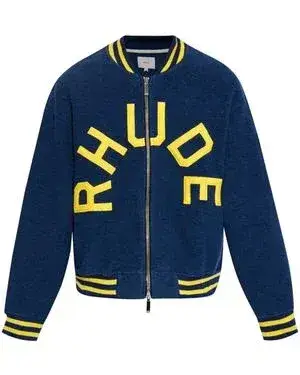
Rhude defines modern luxury streetwear. It combines high-end tailoring with casual urban flair. Enthusiasts value its creative designs and solid build. 1. The Roots of Rhude Rhude began in Los Angeles. Rhuigi Villaseñor launched it in 2015. His multicultural experiences inspired the vision. The founder blended global influences. Rhude clothing quickly rose in popularity. Sport, culture,...
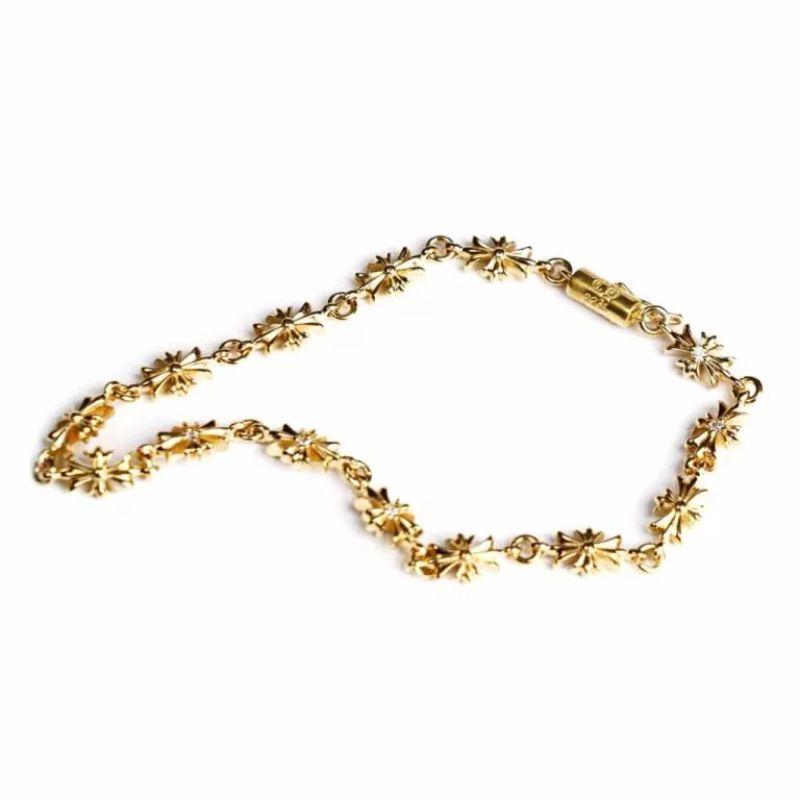
Finding the right gift for someone who has strong taste is never easy. You want something that feels thoughtful, looks impressive, and actually gets worn rather than sitting on a shelf. Chrome Hearts solves all of that. Whether the person you are buying for is already a fan of the brand or has never owned a piece, Chrome Hearts makes gifts that land every single time. The brand covers...
Search behavior across the UAE has shifted faster in the past eighteen months than in the previous five years combined. Dubai's decision-makers are no longer choosing between organic visibility and paid acquisition they're demanding both to work together seamlessly. A capable google ads agency dubai partner now needs to think beyond keywords and bids, aligning every campaign with how AI-driven...

Children naturally love to explore colors, patterns, and new ideas. Give them a paintbrush, and they instantly begin creating something unique. Parents often look for activities that are fun, educational, and screen-free. That is where an MDF Cutout for Kids Painting becomes the perfect choice. It offers children a creative space where they can experiment with colors while improving...