Optolong Filters in Pakistan: Beat Light Pollution, See More
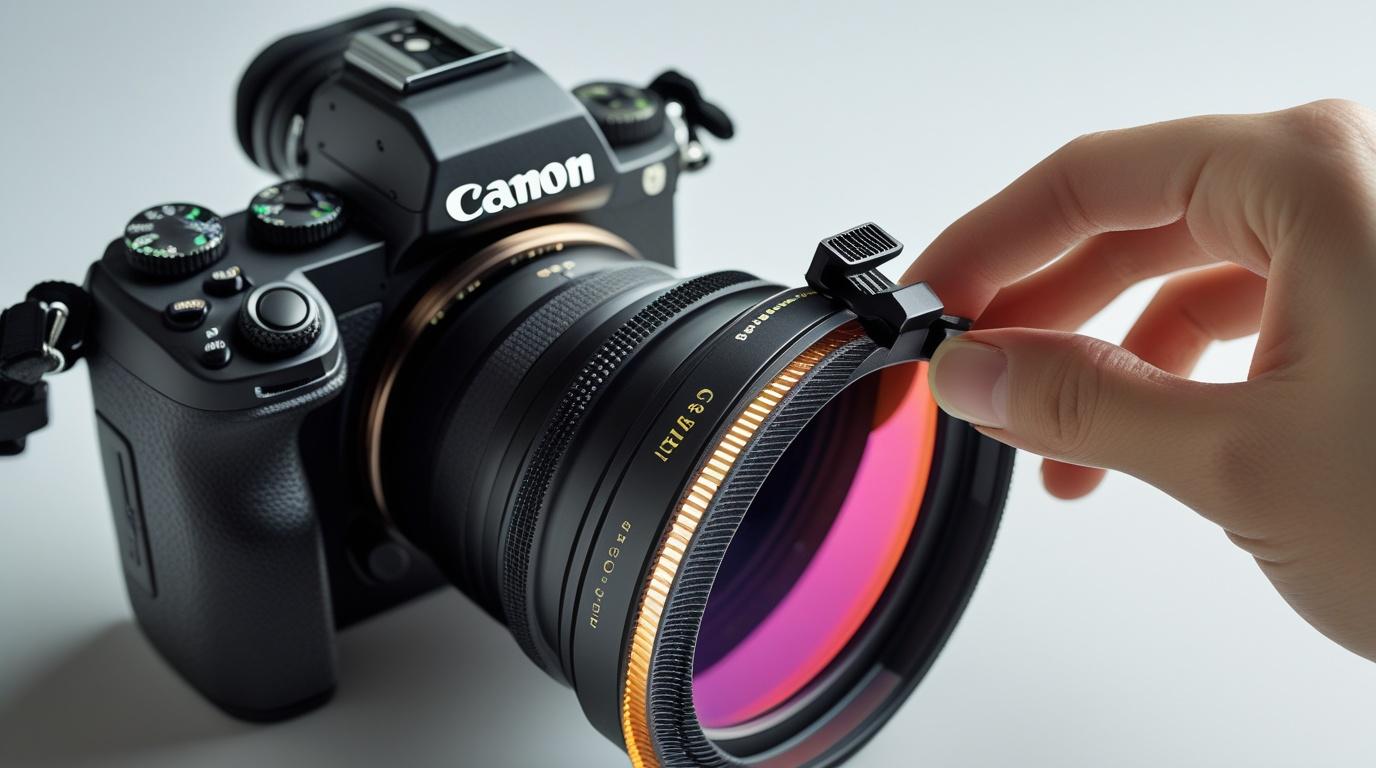
Point a telescope toward the sky from a rooftop in Lahore, Karachi, or Multan on almost any night, and you'll notice the problem before you even find your first target. Sodium streetlights, dust, generator smoke, and a permanent orange haze swallow up everything except the brightest stars, and that same haze ends up sitting right on top of your images too. This is the real obstacle most astrophotographers in Pakistan run into long before focal ratios or guiding accuracy ever become relevant. Optolong built its entire filter lineup around solving exactly this problem, which is part of why the brand has quietly become the default choice for backyard imagers across the country who got tired of throwing away hours of exposure data to washed-out, glowing skies.
What These Filters Are Actually Doing To Your Images
A camera sensor can't tell the difference between starlight and the streetlamp three houses down; both arrive as visible light, and unless something blocks the unwanted wavelengths before they hit the sensor, your target gets buried under a wash of orange-grey fog. Optolong filters work by physically cutting specific bands of light before they ever reach the camera. A broadband filter such as the L-Pro 2" Mounted Filter trims the worst of the sodium and mercury-vapour glow while letting most of the natural colour spectrum through, which makes it a gentle starting point for anyone shooting one-shot-colour images from inside a city. Dual-band filters like the L-eNhance Light Pollution Dual-Bandpass 2" Imaging Filter go a step further, isolating only the Hydrogen-alpha and Oxygen-III wavelengths that nebulae actually emit, so practically everything else gets thrown out before it ever touches your sensor.
Matching The Filter To Your Setup, Not The Other Way Around
Optolong sells the same optical coatings across different mounts, so you're never locked into one type of gear. Shooting through a refractor or an SCT with a filter wheel? A standard 2-inch threaded filter such as the CLS 2" Mounted Filter screws directly into most off-the-shelf adapters. Running a DSLR or mirrorless body instead of a dedicated astro camera? The L-eNhance Dual-Bandpass Clip Filter for Canon EOS APS-C and the L-Pro Sony-FF Clip-In Filter sit inside the camera body itself, just ahead of the sensor, so you keep your existing lens and still get proper light-pollution rejection. Running a mono CMOS camera on a smaller filter wheel? The narrower UHC 1.25" Mounted Filter fits standard wheels without needing an extra adapter ring at all. None of this is guesswork once you know your camera body and focuser size; it mostly comes down to matching threads, not chasing specs.
If You're Shooting From A City Rooftop
City imaging is its own category, and Optolong's dual-band filters were designed with exactly this scenario in mind. The L-Ultimate 2" Dual Band Filter and its smaller sibling, the L-Ultimate 1.25" Dual Band Filter, punch through heavy light pollution while still pulling clean Ha and OIII signal out of the noise, which is why so many Pakistani imagers running colour cameras from urban balconies lean on this pair. If your optics are tuned for a fast focal ratio, the L-Para 2" Dual Band Filter was built specifically to handle f/2 to f/2.8 setups without the vignetting issues narrower dual-band filters sometimes run into. Sky Deep's full multi-band filter lineup is worth comparing side by side if you're still weighing options before placing an order.
Going Narrowband When You Want More Detail
Once light pollution stops being the limiting factor, most imagers move on to isolating individual emission lines instead of broad bands. This is where single-line filters earn their place: the H-Alpha 7nm CCD 2" Mounted Filter, the OIII CCD 6.5nm 2" Mounted Filter, and the SII CCD 6.5nm 2" Mounted Filter each pass only their respective wavelength, which is exactly what's needed when building up an SHO composite of a target like the Heart Nebula or the Eagle Nebula. Buying three separate filters can feel like a lot for a first attempt, so the 3nm SHO 2" Mounted Filter Kit bundles narrower 3-nanometer versions of all three together, usually working out cheaper than buying each one on its own. Shooting broadband targets like galaxies or open clusters instead? The LRGB CCD 1.25" Mounted Filter Set covers Luminance, Red, Green, and Blue in one box and pairs naturally with whatever deep-sky target you're chasing that month. New to the SHO or LRGB terminology? Sky Deep's astro learning resources walk through the basics in plain language before you commit to a full set.
Why It Matters Where You Actually Buy These From
Optolong is popular enough worldwide that grey-market listings claiming to sell "genuine Optolong" show up everywhere, usually shipped from unverified overseas sellers with no invoice, no real after-sales support, and no way to confirm what coating actually went onto the glass. Sky Deep is the only authorized Optolong dealer in Pakistan, which means every filter on this page comes through the brand's official supply chain instead of an unverified import batch picked up at random. That distinction matters most the moment something doesn't work as expected: Sky Deep backs every Optolong filter with full warranty coverage, something none of those unauthorized sellers can offer once your payment has already gone through and an unmarked parcel shows up at your door. Pairing one of these filters with a cooled CMOS camera bought from the same authorized source also keeps your support story simple — one dealer, one warranty, one number to call — instead of juggling three different overseas sellers and three different return policies if anything ever needs sorting out.
Ready To Stop Fighting City Skies?
If you're not sure whether a broadband, dual-band, or narrowband filter actually fits your telescope, your camera, and the specific sky conditions outside your window, that's a five-minute conversation rather than a guessing game. Get in touch with Sky Deep's team with your gear details and your local light-pollution situation, and you'll get a direct answer on which Optolong filter solves your actual problem, backed by genuine stock, authorized warranty, and pricing that doesn't hide surprise customs charges at delivery.
Frequently Asked Questions
Are Optolong filters compatible with both DSLR cameras and dedicated astro cameras?
Yes. Optolong makes the same filter coatings in mounted 1.25-inch and 2-inch formats for dedicated CMOS or CCD cameras, plus clip-in versions that slot directly inside Canon and Sony camera bodies for anyone shooting with a standard DSLR or mirrorless setup.
What's the real difference between a broadband and a narrowband Optolong filter?
Broadband filters such as L-Pro or CLS reduce general light pollution while still letting most natural colour through, which suits one-shot-colour imaging from light-polluted areas. Narrowband filters like H-Alpha or OIII isolate one specific emission line, giving sharper contrast on nebulae but requiring longer exposure planning.
Does buying from Sky Deep include an official warranty on Optolong filters?
Yes, every Optolong filter purchased through Sky Deep comes with manufacturer-backed warranty coverage, since Sky Deep sources stock directly through Optolong's authorized channel rather than unverified import listings.
Can one filter handle both city imaging and dark-sky imaging?
Dual-band filters like the L-Ultimate or L-eNhance handle both reasonably well, since they pass the Ha and OIII signal nebulae actually emit regardless of background sky glow, though dedicated dark-sky sessions still benefit more from single-line narrowband filters.
How do I know which filter size fits my telescope or filter wheel? Most filter wheels and 2-inch focusers take 2-inch mounted filters, while older or smaller mono camera setups typically run on 1.25-inch threads; checking your filter wheel's spec sheet or messaging Sky Deep with your camera model is the fastest way to confirm before ordering.
Categories
Read More
Modern electrical power systems require strong protection and stability to ensure safe and uninterrupted energy transmission. As global infrastructure continues to expand, grounding and shielding components have become essential for protecting transmission lines from lightning strikes, fault currents, and electrical disturbances. These systems play a critical role in maintaining the safety and...
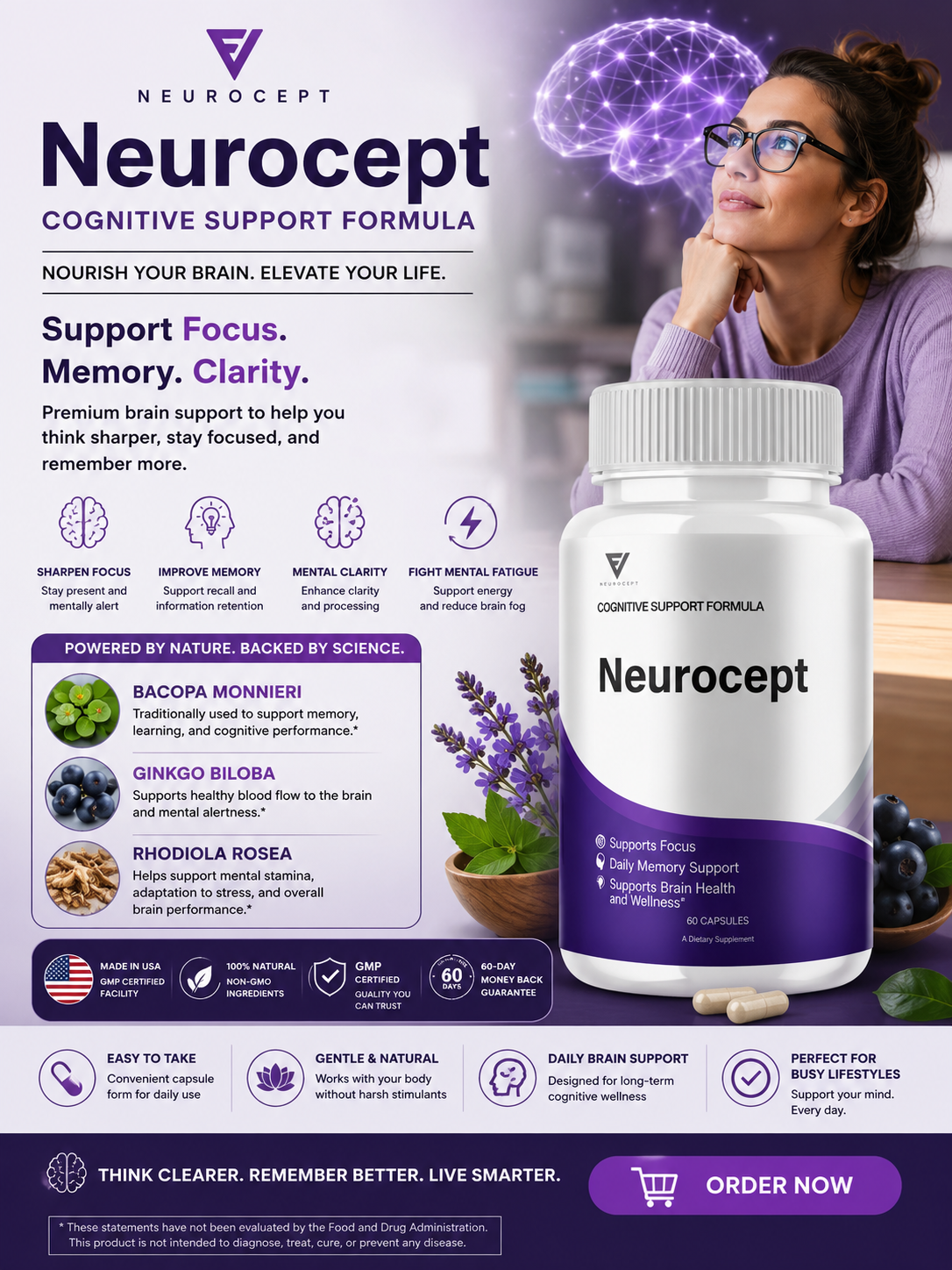
In today’s demanding world, maintaining strong cognitive performance is more important than ever. Many adults struggle with brain fog, forgetfulness, poor concentration, and mental fatigue due to stress, aging, lack of sleep, and fast-paced digital lifestyles. This is where Neurocept brain support supplement is gaining attention as a natural, science-inspired cognitive formula designed to...
Achieving a lush, vibrant green lawn shouldn't be a stressful guessing game of waiting months for weak grass seed to grow. Property owners often struggle with patchy dirt sections, invasive weeds, or old, dead grass that ruins their home's curb appeal and lowers real estate value. Choosing the best sod installation services near me is the fastest, most reliable way to completely overhaul your...

Parents want the best possible start for their children, especially during the early years of development. When searching for a nursery school or a child daycare near me, it is important to find a safe, nurturing, and stimulating environment that supports growth in every aspect of a child’s life. Early childhood education lays the foundation for future learning, social skills, and...

Moving to a new home is an exciting journey, but the process of packing and relocating household belongings can be stressful and time-consuming. From furniture and appliances to fragile items and personal possessions, every item requires proper handling and transportation. This is why professional home shifting services in Gurgaon have become an essential solution for families and...