Are there risks involved in Surgical Scar Revision?
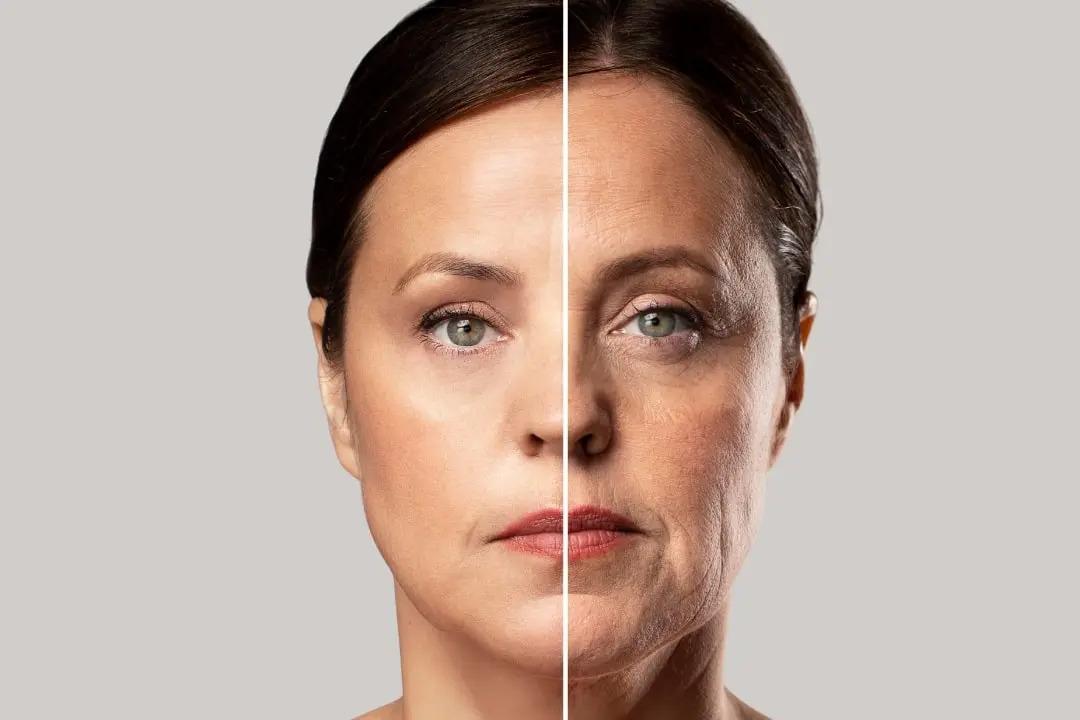
Surgical scar revision is a refined medical procedure aimed at improving the appearance of scars caused by injury, surgery, or trauma. It does not completely erase a scar but helps it blend more naturally with surrounding skin. In modern aesthetic medicine, patients often seek advanced techniques to restore confidence and improve skin texture. In Islamabad, cosmetic and dermatologic procedures have grown significantly, and Surgical Scar Revision in Islamabad has become a frequently discussed treatment among individuals looking for aesthetic improvement after accidents or surgeries. While the procedure is widely performed and generally safe in experienced hands, it is still a surgical intervention, and like any medical procedure, it carries certain risks that patients must understand before making a decision.
Understanding Surgical Scar Revision
Surgical scar revision refers to a group of techniques used by plastic and aesthetic surgeons to alter the size, shape, or visibility of a scar. The goal is not elimination but enhancement—making the scar less noticeable and more aligned with natural skin lines. This can involve excision of scar tissue, repositioning of the scar, layered closure techniques, or combination therapies with laser or dermabrasion.The human skin heals by forming collagen fibers after an injury, but this natural repair process is not always perfect. As a result, scars may appear raised, sunken, widened, or discolored. Surgical revision attempts to correct these irregularities by reorienting tension lines and improving tissue healing conditions. Despite its effectiveness, it is important to remember that the skin’s healing response varies from person to person, which is one of the reasons risks are associated with this procedure.
Why Risks Exist in Scar Revision Procedures?
Every surgical intervention involves interaction with the body’s natural healing mechanisms. Scar revision surgery is particularly dependent on how the skin responds after being re-injured and re-stitched. Even when performed with precision, the outcome is influenced by biological factors such as collagen production, skin elasticity, blood supply, and individual healing capacity.Another reason risks exist is that scar revision often deals with previously damaged or healed tissue. Such tissue may have irregular blood circulation or reduced elasticity, making predictable healing more challenging. Additionally, external factors such as infection control, post-operative care, and patient compliance also significantly affect outcomes.Because of these variables, even well-executed procedures can have complications, which is why understanding the risk profile is essential before undergoing treatment.
Common Risks and Possible Complications
One of the most commonly discussed risks in scar revision surgery is infection. Since the procedure involves cutting and rejoining skin, there is always a small possibility that bacteria may enter the wound. While sterile surgical environments and antibiotics significantly reduce this risk, it cannot be completely eliminated.Another potential issue is delayed healing. Some patients may experience slower-than-expected recovery due to underlying health conditions such as diabetes, poor circulation, or smoking habits. In such cases, the surgical site may take longer to close properly, increasing discomfort and affecting final results.There is also the possibility of recurrence or worsening of the scar. In some cases, especially with hypertrophic or keloid-prone skin, the body may respond to surgery by producing even more scar tissue than before. This paradoxical reaction is one of the more challenging aspects of scar management.Pigmentation changes are another concern. The treated area may become darker (hyperpigmentation) or lighter (hypopigmentation) compared to surrounding skin. These changes are usually temporary but can sometimes persist for extended periods depending on skin type and sun exposure.In rare cases, patients may experience nerve sensitivity changes. This can include numbness or heightened sensitivity in the treated area. While often temporary, nerve-related changes can take weeks or months to fully resolve.
Psychological and Aesthetic Expectations
A significant but often overlooked risk in scar revision surgery is unrealistic expectation. Patients sometimes expect complete removal of scars, which is not medically possible. When expectations are not aligned with realistic outcomes, dissatisfaction may occur even if the surgical result is technically successful.Scars are permanent by nature, and revision surgery focuses on improvement rather than elimination. Emotional readiness and understanding of limitations are crucial for patient satisfaction. Surgeons typically evaluate psychological preparedness before proceeding to ensure patients have a clear and realistic understanding of outcomes.
Factors That Influence Risk Levels
Several factors determine how likely complications are to occur during or after scar revision surgery. One major factor is the location of the scar. Areas with high movement, such as joints or facial expression lines, are more challenging to heal and may carry slightly higher risk of widening or tension-related issues.The age of the scar also plays a role. Older scars are often more stable and easier to revise compared to newer ones that are still undergoing natural remodeling. However, very old scars may have dense fibrous tissue that can be more difficult to reshape.Patient health is another critical factor. Individuals with chronic conditions, smokers, or those with poor nutritional status may experience slower healing and higher complication rates. Similarly, skin type and genetic predisposition to keloid formation significantly influence risk levels.Surgical technique and surgeon expertise are equally important. A highly skilled plastic or cosmetic surgeon can minimize risks through precise incision placement, layered closure, and proper tension management.
How Surgeons Minimize Risks?
Modern scar revision techniques are designed to reduce complications as much as possible. Surgeons carefully analyze the scar’s direction, depth, and surrounding skin tension before planning the procedure. By aligning incisions with natural skin folds, they can significantly reduce visible scarring after healing.Sterile environments and advanced surgical protocols help prevent infection. In addition, prophylactic antibiotics may be prescribed when necessary to further reduce risk. Surgeons also use fine suturing techniques that minimize tissue trauma and promote better healing.Post-operative care is another critical component. Patients are given detailed instructions regarding wound care, sun protection, and activity restrictions. Silicone gels, pressure dressings, or scar therapy products may also be recommended to improve healing outcomes.Follow-up appointments allow surgeons to monitor healing progress and address any early signs of complications before they become serious.
Recovery Process and Aftercare Considerations
Recovery after scar revision surgery is generally gradual. Initially, the treated area may appear red, swollen, or slightly tender. This is a normal part of the healing process as the body responds to tissue repair. Over time, swelling reduces and the scar begins to soften and fade.Proper aftercare is essential in reducing risks and achieving optimal results. Patients are advised to avoid direct sun exposure, as UV rays can darken healing scars and affect pigmentation. Keeping the area clean and following prescribed ointment routines also helps prevent infection.Physical activity may need to be limited for a short period, especially if the scar is located in a high-movement area. Strain on the healing tissue can lead to widening or delayed healing, so rest is often recommended during the initial recovery phase.Emotional patience is also important, as final results can take several months to fully appear. Scar remodeling is a slow biological process, and improvements continue over time even after visible healing is complete.
Long-Term Considerations and Outcomes
While scar revision can significantly improve appearance, patients must understand that no surgical procedure can guarantee perfection. Over time, scars may continue to change in texture and color depending on lifestyle, skin care habits, and environmental exposure.In many cases, results are long-lasting and highly satisfactory when proper care is taken. However, maintenance treatments such as laser therapy or topical scar treatments may be recommended for further refinement.The decision to undergo scar revision should always be based on a balanced understanding of benefits and risks. When performed under expert supervision, the procedure can greatly enhance appearance and confidence, but it still requires realistic expectations and careful consideration.
Conclusion
Surgical scar revision is a valuable procedure for individuals seeking to improve the appearance of unwanted scars, but it is not without risks. From infection and delayed healing to pigmentation changes and scar recurrence, several factors can influence the final outcome. Understanding these risks is essential before undergoing treatment.
Категории
Больше
Handling incoming calls manually can create long wait times and uneven call distribution between agents. Businesses often struggle to route customer calls to the right department quickly. SanCCS Automatic Call Distribution helps distribute incoming calls automatically based on agent availability and routing rules. Our automatic call distribution system improves call handling efficiency and...

Starting an anime marathon is an exciting experience, but choosing the right show can make or break your weekend. With thousands of options available, narrowing down the list can feel overwhelming. Whether you are a seasoned viewer looking for a masterclass top 10 anime series to watch in storytelling or a newcomer trying to understand the medium's potential, certain series stand out...

Large PDF files can make it difficult to share important documents through email, messaging apps, or cloud storage. Whether you are sending business reports, academic assignments, presentations, contracts, or scanned documents, oversized files often exceed upload limits and take longer to transfer. A reliable compress PDF tool helps you reduce file size quickly while maintaining the original...

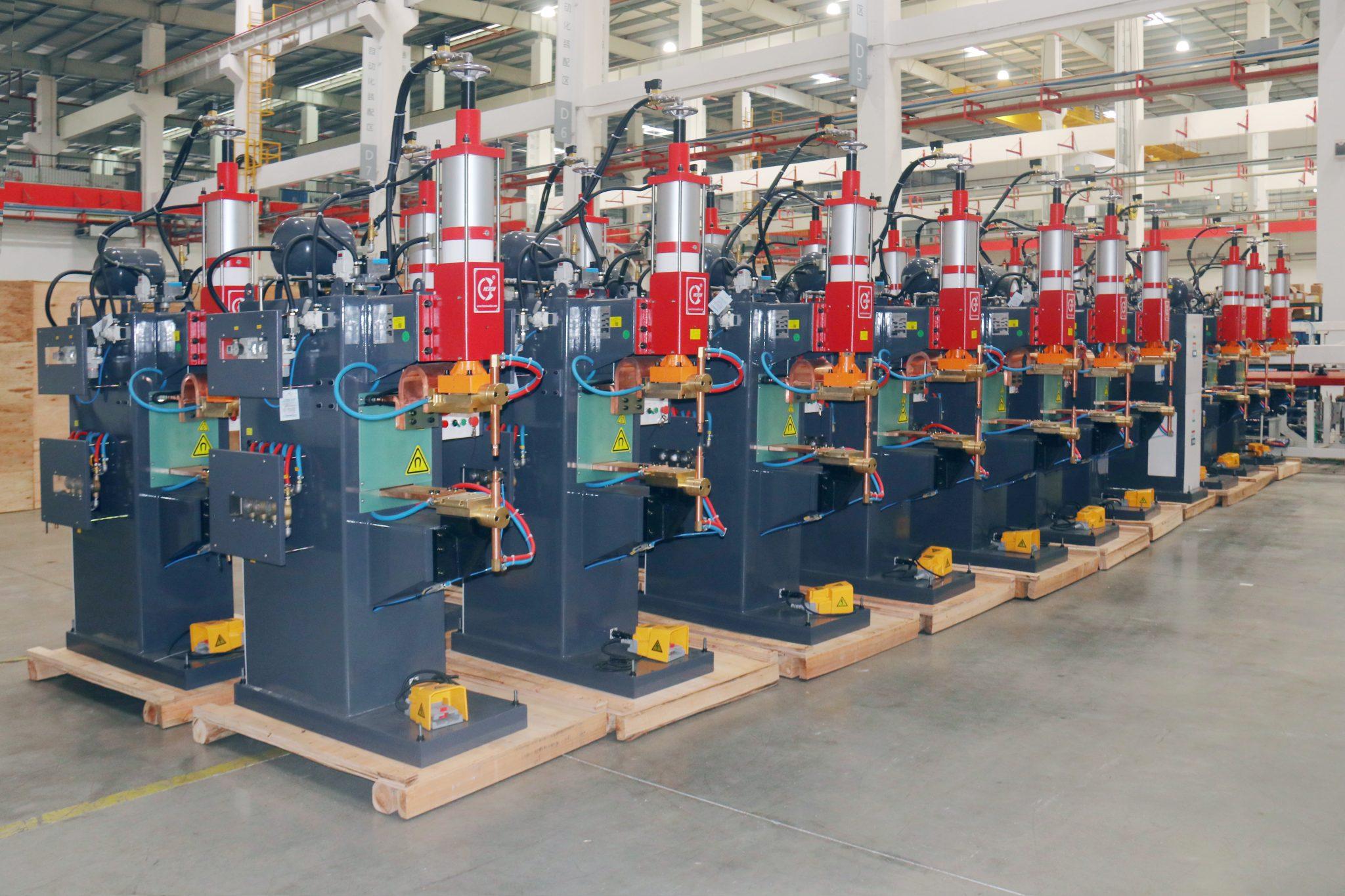
The demand for lightweight, durable, and corrosion-resistant materials has made aluminum a key component in modern manufacturing, and the spot welder for aluminum has become an essential tool in achieving strong and reliable joints. Heron-Welder provides advanced welding solutions specifically engineered to handle the unique challenges of aluminum joining. The spot welder for aluminum developed...
BurnTide:- Nutrition plays a significant role in supporting metabolism and overall health. Eating meals that include lean proteins, fiber-rich vegetables, fruits, and whole grains may help people feel satisfied while managing calorie intake. BurnTide may complement these healthy choices, but it cannot replace proper nutrition. Developing consistent eating habits and avoiding frequent overeating...