


The Role of Peptide Therapy in Enhancing Fertility in Men and Women
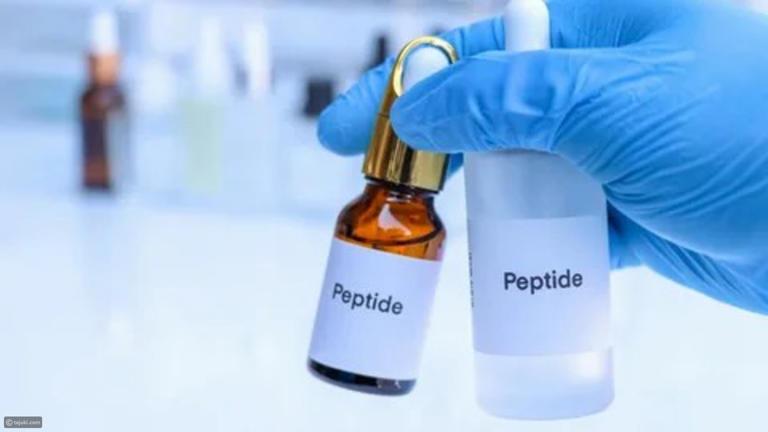
Fertility challenges affect millions of individuals worldwide, and both men and women can experience biological, hormonal, and lifestyle-related barriers that reduce their ability to conceive. In recent years, scientific advancements have introduced innovative approaches to reproductive health, one of the most promising being peptide-based interventions.
Among these, fertility peptides have gained attention for their potential to support hormonal balance, improve reproductive function, and optimize overall cellular health related to conception.
This article explores how peptide therapy works, its role in reproductive health, and why it is becoming an emerging topic in fertility treatment strategies for both men and women.
Understanding Peptide Therapy in Reproductive Health
Peptides are short chains of amino acids that act as signaling molecules in the body. They influence a wide range of biological processes, including hormone regulation, tissue repair, immune response, and cellular communication. In the context of fertility, peptide therapy focuses on supporting the endocrine system, which governs reproductive hormones such as estrogen, progesterone, luteinizing hormone (LH), and follicle-stimulating hormone (FSH).
The idea behind using fertility peptides is to stimulate or regulate natural biological pathways that may be underactive or imbalanced. Unlike synthetic hormones that replace natural function, peptides often aim to encourage the body to restore its own optimal hormonal production.
How Peptides Support Female Fertility
In women, fertility depends on a delicate balance of hormones that regulate ovulation, egg quality, and uterine health. Disruptions in these systems can lead to irregular cycles, anovulation, or reduced chances of implantation.
Peptide therapy may support female reproductive health in several ways:
Regulation of Hormonal Cycles
Certain peptides can influence the hypothalamic-pituitary-ovarian axis, which is responsible for controlling ovulation. By supporting this communication pathway, fertility peptides may help regulate menstrual cycles and improve ovulatory consistency.
Improvement of Ovarian Function
Some peptide compounds are believed to support ovarian response, potentially improving the quality of developing follicles. This can be particularly important for women with diminished ovarian reserve or age-related fertility decline.
Endometrial Support
Successful implantation requires a healthy uterine lining. Peptides that promote tissue regeneration and blood flow may help improve endometrial thickness and receptivity.
Reduction of Inflammation and Oxidative Stress
Chronic inflammation and oxidative stress can negatively impact egg quality. Certain peptides have antioxidant properties that may create a more favorable reproductive environment.
Through these mechanisms, fertility peptides are being explored as a complementary approach in reproductive medicine, especially alongside lifestyle optimization and conventional treatments.
How Peptides Support Male Fertility
Male fertility primarily depends on sperm production, quality, motility, and hormonal balance. Issues such as low testosterone, poor sperm morphology, and oxidative damage can significantly reduce fertility potential.
Peptide therapy may contribute to male reproductive health in the following ways:
Hormonal Regulation
Some peptides influence the release of gonadotropins such as LH and FSH, which are essential for testosterone production and spermatogenesis.
Enhancement of Sperm Production
By supporting testicular function, fertility peptides may help improve sperm count and overall semen quality.
Improved Sperm Motility and Morphology
Oxidative stress is a major factor in sperm damage. Peptides with regenerative or antioxidant effects may help protect sperm cells from damage, improving their movement and structure.
Support for Sexual Health
Hormonal balance also influences libido and erectile function. Some peptides indirectly support these functions by optimizing endocrine signaling.
These benefits make peptide therapy an interesting area of study in male reproductive health, particularly for individuals who have not responded well to traditional treatments.
Mechanisms Behind Peptide Action in Fertility
The effectiveness of peptide therapy lies in its ability to interact with cellular receptors and signaling pathways. Unlike broad pharmaceutical interventions, peptides are highly specific in their biological targets.
Key mechanisms include:
· Endocrine signaling modulation
· Cellular regeneration stimulation
· Improvement of mitochondrial function (energy production in cells)
· Reduction of inflammatory cytokines
· Enhancement of blood flow to reproductive organs
These mechanisms collectively create a more supportive environment for reproduction. This is why researchers are increasingly investigating how fertility peptides can be integrated into broader fertility treatment plans.
Potential Benefits and Emerging Research
While research is still evolving, early studies and clinical observations suggest several potential benefits of peptide therapy in reproductive health:
· Improved hormonal balance in both sexes
· Enhanced reproductive organ function
· Better response to assisted reproductive technologies such as IVF
· Increased chances of natural conception in certain individuals
It is important to note that much of the current understanding is based on preliminary research, animal studies, and early clinical applications. More large-scale human trials are needed to fully confirm effectiveness and safety.
Nonetheless, interest in fertility peptides continues to grow, particularly in integrative and regenerative medicine fields.
Limitations and Considerations
Despite its promise, peptide therapy is not a guaranteed solution for infertility. There are several important considerations:
Individual variability: Not all patients respond the same way to peptide treatments.
Lack of standardized protocols: Dosages, combinations, and treatment durations are still being studied.
Regulatory differences: Availability and approval of peptide therapies vary by country.
Need for medical supervision: Improper use may lead to ineffective or unsafe outcomes.
Therefore, peptide therapy should be considered a complementary approach rather than a standalone cure for fertility issues.
The Future of Peptide-Based Fertility Support
As reproductive science advances, peptide-based treatments are likely to become more refined and personalized. Researchers are working on identifying specific peptide sequences that target reproductive pathways more effectively and safely.
In the future, fertility peptides may play a significant role in personalized medicine, where treatments are tailored based on genetic, hormonal, and metabolic profiles of individuals. This could dramatically improve success rates for couples struggling with infertility.
Additionally, combining peptide therapy with nutritional support, stress management, and advanced reproductive technologies may create a more holistic and effective fertility strategy.
Conclusion
Fertility is a complex biological process influenced by hormones, cellular health, lifestyle, and environmental factors. Peptide therapy represents a promising frontier in reproductive medicine by offering targeted biological support rather than broad hormonal replacement.
Through its potential effects on hormone regulation, cellular repair, and reproductive organ function, fertility peptides are being studied as a valuable tool for both men and women facing fertility challenges. While more research is needed to fully validate their effectiveness, the current evidence suggests a meaningful role in the future of fertility care.
Categories
Read More
Essential Guide to Germany Company Registration: Mistakes to Avoid and Tips for Success The Germany Company Registration offers strong economies and a preferred destination for global entrepreneurs who are looking for expanded business. The Germany location provides a skilled workforce and a friendly business environment. But it requires some planning to get through the registration process and...

Healthcare is increasingly focused on delivering personalized care that meets the unique needs of every individual. As a result, Pain Management At Home In Dubai has become a trusted solution for patients seeking effective pain relief while remaining in the comfort of their own homes. Supported by Doctor at Home services, this approach allows individuals to receive professional medical...

Today, everyone’s life is filled with work and stress. Many people wonder how to find peace of mind and feel more relaxed. The simple answer is Transcendental Meditation. It is an easy and natural form of meditation introduced by Maharishi Mahesh Yogi in the 1950. How is TM Meditation Done? TM Meditation is very simple and effortless. You just sit comfortably, close your eyes, and follow...

Looking for a premium travel experience in Pushkar? Ajmer Taxi Services offers reliable and affordable luxury car rental services for tourists, business travelers, wedding guests, and families. Whether you're visiting the famous Brahma Temple, Pushkar Lake, or attending the vibrant Pushkar Camel Fair, our luxury cars ensure every journey is comfortable, stylish, and hassle-free. Our fleet...

MW4 talk has taken over group chats, clips, and late-night Discord debates, even though plenty of details are still up in the air. Some players are running CoD MW4 Bot Lobbies before launch, mostly to get comfortable with aim settings, recoil patterns, and faster movement again. It makes sense. Nobody wants their first proper match to be a painful lesson in missed shots and bad routes....

