


Why core weakness leads to pelvic floor issues
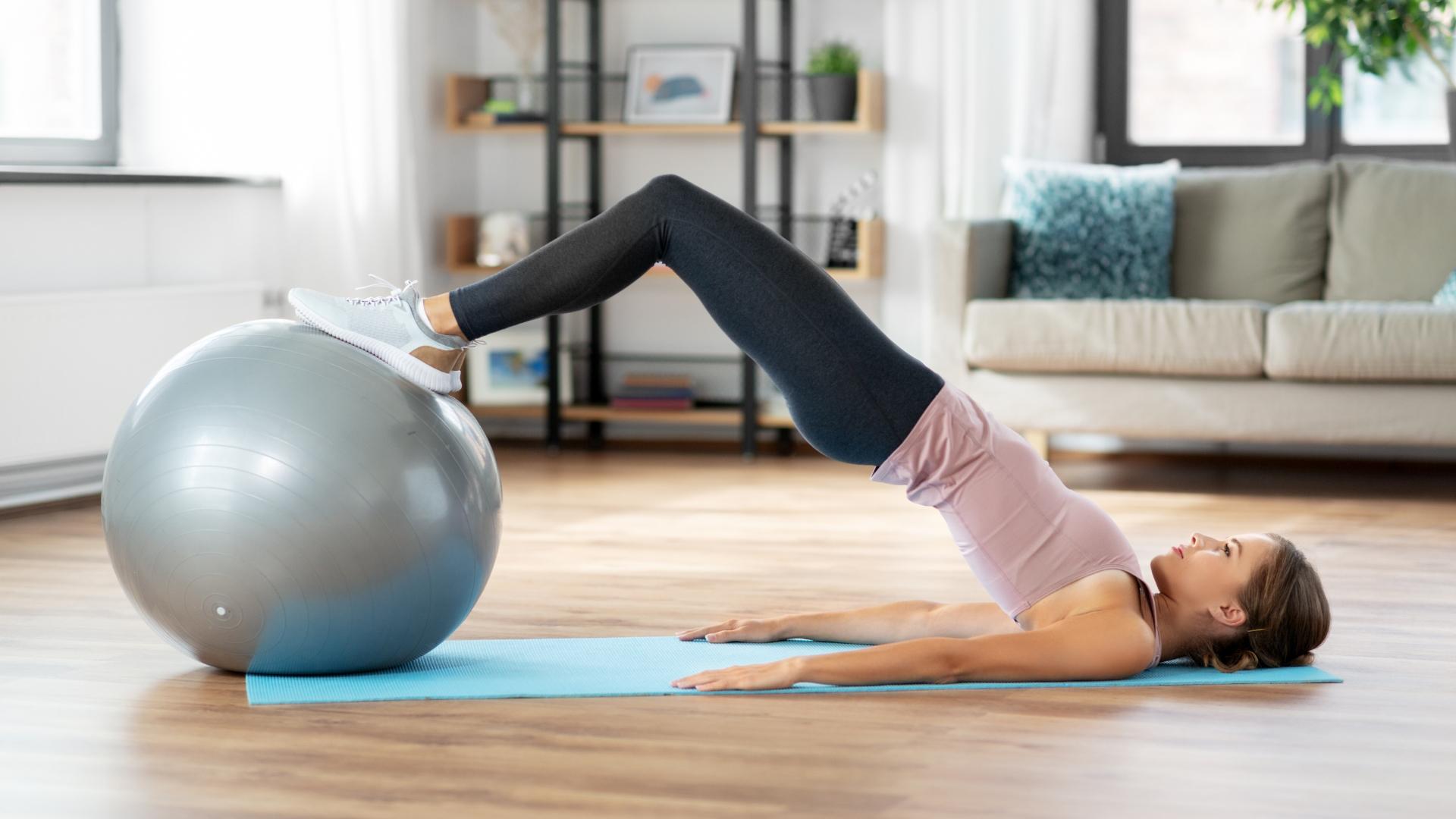
Core weakness is often discussed in relation to back pain or reduced physical performance, but its connection to pelvic floor health is frequently overlooked. The core is not limited to the abdominal muscles alone; it includes the diaphragm, deep abdominal muscles, spinal stabilizers, and the pelvic floor itself. These structures are designed to work together as a coordinated system to manage pressure, support posture, and stabilize the body during movement. When core strength and coordination are reduced, the pelvic floor may be forced to compensate, which may contribute to a range of pelvic floor issues. This relationship is a key focus within pelvic floor physiotherapy Edmonton and pelvic floor physical therapy Edmonton.
When the core muscles are weak or poorly coordinated, the body may struggle to manage pressure during everyday activities such as lifting, bending, coughing, or exercising. In a well-functioning system, pressure generated inside the abdomen is distributed evenly and supported by coordinated muscle activity. With core weakness, this pressure may be directed downward toward the pelvic floor. Repeated exposure to unmanaged pressure may challenge the pelvic floor’s ability to provide support, potentially leading to symptoms such as leakage, pressure sensations, or discomfort. Pelvic floor physiotherapy often addresses how pressure management influences pelvic health.
Another way core weakness may affect the pelvic floor is through reduced stability of the pelvis and spine. The deep core muscles help control pelvic position and spinal alignment during movement. When these muscles are not providing adequate support, the pelvis may shift excessively or remain in suboptimal positions for long periods. This altered alignment may change the length and tension of the pelvic floor muscles, affecting how effectively they contract and relax. Over time, this imbalance may contribute to pelvic floor dysfunction. Pelvic floor physiotherapy Edmonton frequently evaluates posture and pelvic control to understand these relationships.
Core weakness may also influence movement patterns throughout the body. When the core does not stabilize efficiently, other muscles may compensate to maintain balance and control. These compensations may include increased gripping or tension in the pelvic floor muscles as the body attempts to create stability. Rather than becoming stronger, the pelvic floor may become overactive and fatigued. This constant tension may limit the muscles’ ability to relax, which is just as important as their ability to contract. Pelvic floor physical therapy Edmonton often focuses on restoring balance between strength and relaxation within the core system.
Breathing patterns are closely tied to core and pelvic floor function. The diaphragm plays a central role in managing pressure within the abdomen and coordinating with the pelvic floor. When core weakness is present, breathing may become shallow or chest-dominant, limiting diaphragm movement. This disruption may reduce the natural rhythmic movement of the pelvic floor during breathing. Over time, this lack of coordination may affect muscle responsiveness and endurance. Pelvic floor physiotherapy often includes breathing retraining as part of improving overall core and pelvic floor function.
Reduced core endurance may further contribute to pelvic floor issues during prolonged activities. Standing, walking, or sitting for extended periods requires ongoing low-level core engagement. When the core fatigues easily, posture may deteriorate, and pressure distribution may become less efficient. This may increase strain on the pelvic floor, especially during long workdays or physically demanding tasks. Pelvic floor physiotherapy Edmonton may help individuals build endurance and awareness to support pelvic health throughout daily routines.
Exercise habits may also play a role in the relationship between core weakness and pelvic floor issues. Some individuals focus heavily on surface-level abdominal exercises without addressing deep core control. Others may avoid core training altogether due to discomfort or uncertainty. In both cases, the pelvic floor may not receive adequate support during movement. Improper exercise technique may further increase pressure on the pelvic floor rather than improving function. Pelvic floor physical therapy often emphasizes appropriate core activation strategies that support pelvic floor coordination rather than isolated strengthening alone.
Previous injuries, surgeries, pregnancy, or prolonged inactivity may contribute to core weakness and pelvic floor dysfunction. After these events, muscles may not automatically regain optimal coordination. Without targeted retraining, compensatory patterns may persist. These patterns may place ongoing stress on the pelvic floor even months or years later. Pelvic floor physiotherapy often considers health history to identify factors that may influence current core and pelvic floor function.
Stress and core weakness may also interact in ways that affect pelvic health. Under stress, individuals may unconsciously hold their breath or brace their abdominal muscles. This constant bracing may increase downward pressure on the pelvic floor while limiting natural muscle movement. Over time, this pattern may contribute to fatigue and dysfunction. Pelvic floor physiotherapy Edmonton frequently recognizes the role of stress in muscle coordination and may incorporate strategies that promote efficient, adaptable core engagement.
It is important to note that core weakness does not always mean the pelvic floor is weak. In some cases, pelvic floor muscles may be tight, overactive, or poorly coordinated as a result of inadequate core support. Addressing pelvic floor issues therefore often requires a comprehensive approach that looks beyond isolated muscle strength. Pelvic floor physical therapy Edmonton focuses on how the entire core system functions together during real-life activities.
Consistency and gradual progression are essential when addressing core-related pelvic floor concerns. Sudden increases in exercise intensity or overly aggressive strengthening may overwhelm the system and worsen symptoms. A structured approach that respects individual capacity may support better long-term outcomes. Pelvic floor physiotherapy often prioritizes sustainable strategies that align with daily demands rather than short-term intensity.
Access to appropriate care can make addressing these concerns more manageable. Clinics that offer direct billing, coverage through most insurance plans, same-day appointments, no referrals needed, walk-in patients, free parking, and wheelchair accessibility help reduce barriers to seeking pelvic health support. These features may encourage individuals to address symptoms early and maintain consistency in care.
Core weakness and pelvic floor issues are closely connected, and addressing one without the other may limit progress. Understanding how these systems interact may help individuals take a more informed approach to pelvic health. You may learn more about coordinated core and pelvic care through In Step Physical Therapy, where pelvic floor physiotherapy Edmonton and pelvic floor physical therapy Edmonton are used to support functional movement and stability.
Categories
Read More
Parents always want the best care for their babies, especially when it comes to hair and scalp health. Finding the best baby hair oil in Pakistan can help nourish delicate hair, support healthy growth, and keep your baby's scalp moisturized and comfortable. Baby hair oils are specially formulated with gentle ingredients that are safe for sensitive skin. Natural oils such as coconut oil, almond...
Tahini pistachio bars sound premium, so it is fair to ask whether they really deserve the higher price tag. This guide explains what makes tahini pistachio bars stand out, when they feel worth buying, and how to tell the difference between a smart snack and an overpriced one. What You Are Really Paying For Not every snack bar earns its “premium” label, but some do bring more to the...

Kids sit inside longer now, eyes stuck on glowing gadgets most hours of the day. Even though those tools can teach or amuse, moving less hits harder grown-ups notice it, talk about it. That kind of routine, one with set drills and real movement, helps balance things, builds strong bodies, steadier moods. Children’s sports training matters Little ones grow strong when they...

Rajabandot Macau adalah istilah yang semakin sering muncul dalam pembahasan hiburan digital dan tren online modern. rajabandot macau orang mengaitkannya dengan platform berbasis hiburan yang terinspirasi dari atmosfer kota Macau yang dikenal sebagai pusat hiburan dan permainan kelas dunia. Dalam konteks digital, istilah ini sering digunakan untuk menggambarkan ekosistem hiburan online yang...
Vale Forever: The New Standard for Comfortable Modern Wear For a long time, the fashion world forced a choice between two extremes: looking sharp or being comfortable. Streetwear demanded stiff, rigid fabrics to maintain a structure, while loungewear offered comfort at the expense of style. Today, that compromise is officially over. The modern wardrobe relies on a new philosophy: functional...

