How a Safety Officer Course Can Boost Your Career Opportunities
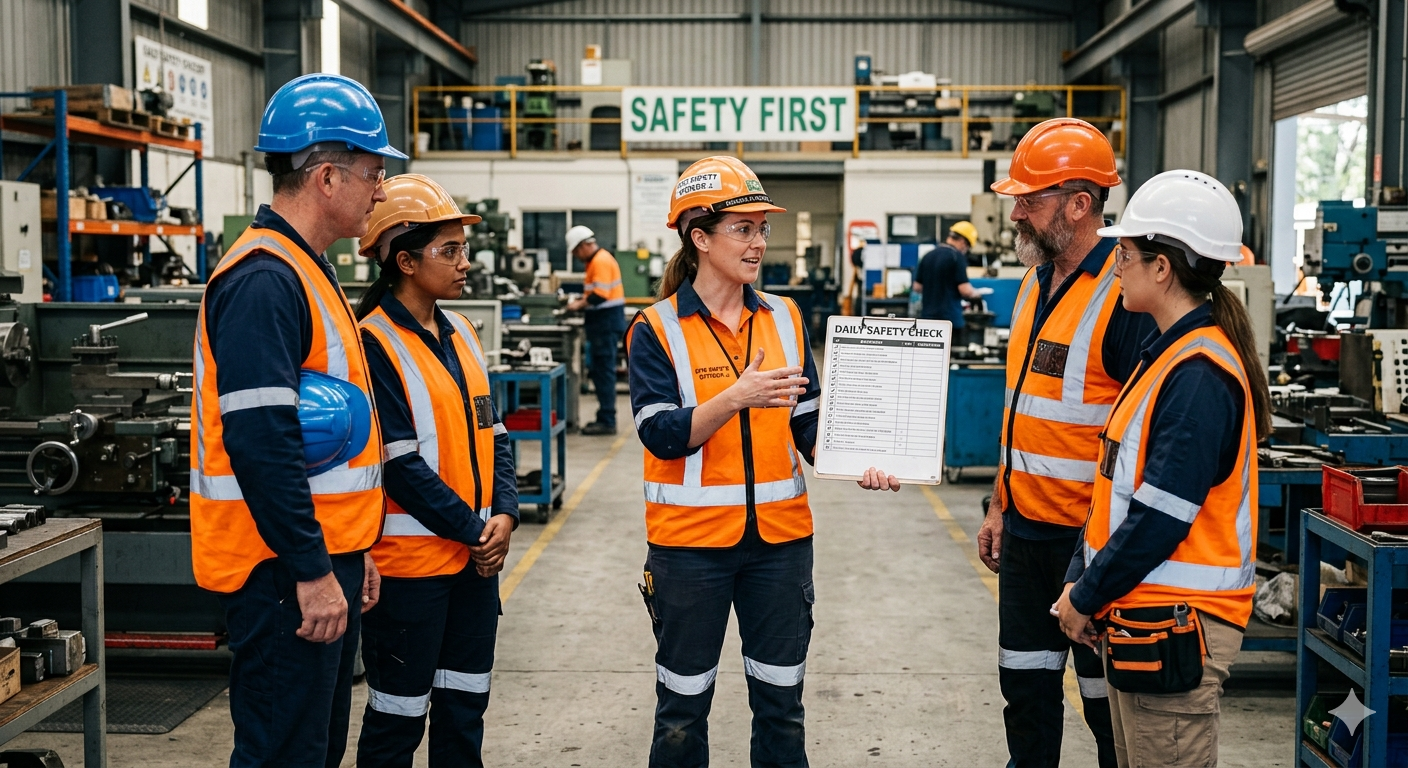
In many workplaces, safety is not something that can be left to chance. From construction sites to manufacturing plants and oil and gas facilities, even a small oversight can lead to serious consequences. Employers today are actively looking for professionals who can identify risks early and create safer working environments before accidents happen.
This is where a Safety Officer Course becomes highly relevant. It is designed to equip learners with practical knowledge of hazard identification, workplace safety standards, emergency response, and compliance with occupational health regulations. Instead of relying on trial and error in real job settings, this training helps individuals step into the role with confidence and structured understanding.
The demand for trained safety professionals has grown steadily as industries place greater emphasis on compliance and employee well-being. As a result, more students and professionals are exploring structured safety training as a pathway to stable and meaningful career growth.
Why Workplace Safety Has Become a Priority in Modern Industries?
Workplace environments have become more complex than ever. Heavy machinery, chemical exposure, electrical systems, and large-scale operations all introduce multiple layers of risk. Companies can no longer depend only on informal supervision to manage these risks.
A safety-focused approach is now part of organizational culture. Employers want individuals who understand safety protocols and can ensure that rules are followed consistently.
Common workplace risks include:
-
Slips, trips, and falls in industrial environments
-
Electrical hazards in construction and maintenance work
-
Fire risks due to improper handling of materials
-
Machinery-related injuries in production units
-
Chemical exposure in laboratories and factories
A trained safety officer plays a key role in reducing these risks by implementing preventive measures and ensuring compliance with safety standards.
The Role of a Safety Officer
A safety officer is responsible for maintaining a safe and controlled work environment. Their job is not limited to monitoring hazards but also includes educating workers and improving safety systems.
Key responsibilities include:
-
Conducting regular safety inspections
-
Identifying workplace hazards before they escalate
-
Ensuring compliance with safety regulations
-
Training employees on safety procedures
-
Investigating incidents and recommending corrective actions
-
Maintaining safety documentation and reports
In many organizations, safety officers act as the bridge between management and workers when it comes to risk prevention.
What You Learn in a Safety Officer Course
A structured training program focuses on both theoretical understanding and practical application. Learners are exposed to real-world scenarios that help them understand how safety systems operate in different industries.
Core learning areas include:
-
Occupational health and safety principles
-
Hazard identification and risk assessment
-
Fire safety and emergency response procedures
-
Use of personal protective equipment (PPE)
-
Industrial safety regulations and compliance standards
-
Accident investigation and reporting techniques
One of the most important aspects of this training is developing the ability to think critically in high-risk situations. For example, a safety officer working on a construction site must quickly assess whether scaffolding is secure before workers begin their shift.
Skills That Make a Safety Officer Effective
Beyond technical knowledge, certain soft skills are equally important for success in this field.
Essential skills include:
-
Strong observation and attention to detail
-
Clear communication with workers and supervisors
-
Decision-making under pressure
-
Leadership in enforcing safety protocols
-
Problem-solving in emergency situations
A safety officer often needs to explain rules in a way that workers can easily understand and follow. This makes communication one of the most valuable skills in the profession.
How a Safety Officer Course Boosts Career Opportunities?
Completing a safety-focused training program can open doors in multiple industries. Employers value professionals who can help reduce workplace risks and ensure compliance with legal standards.
Career paths may include:
-
Safety officer in construction companies
-
Health and safety coordinator in manufacturing units
-
Industrial safety inspector
-
Site safety supervisor
-
Environmental health and safety assistant
For example, someone starting in a junior safety role at a construction site may gradually progress to managing safety for large-scale infrastructure projects.
Industries such as oil and gas, logistics, engineering, and power generation consistently require safety professionals, making this field highly versatile.
Real-World Example: Safety Practices in Action
Consider a manufacturing plant where heavy machinery operates continuously. Without proper safety checks, even a small mechanical fault could lead to serious injury.
A trained safety officer identifies early warning signs such as unusual machine vibration or overheating equipment. They immediately report the issue, stop operations if necessary, and ensure maintenance is carried out before production resumes.
This proactive approach not only prevents accidents but also reduces downtime and improves overall workplace efficiency.
Steps to Build a Career in Workplace Safety
If someone is interested in entering this field, the path is usually straightforward but requires commitment.
Practical steps include:
-
Enroll in a recognized safety training program
-
Learn basic occupational health and safety standards
-
Gain hands-on experience through internships or site visits
-
Develop communication and reporting skills
-
Stay updated with industry safety regulations
Practical exposure is especially important because real workplace situations often differ from classroom examples.
Why Practical Training Matters More Than Theory?
While theoretical knowledge forms the foundation, real understanding comes from observing and handling actual workplace situations. Many training programs now include simulations and field-based learning to prepare learners for real challenges.
For instance, emergency evacuation drills help trainees understand how to manage panic situations in controlled environments. This builds confidence and improves decision-making under pressure.
The Right Learning Path for Safety Careers
Selecting the right training institute can significantly influence how well a learner understands practical safety applications. A good program should focus on hands-on training, updated industry standards, and real-world case studies rather than only classroom lectures.
Experienced instructors, exposure to industrial environments, and structured assessments all contribute to stronger learning outcomes. This is especially important for those planning to work in high-risk industries like construction or manufacturing.
When exploring options, learners often compare course structure, practical exposure, and certification recognition. A well-designed Safety Officer Course in pakistan can provide a strong foundation for individuals aiming to enter both local and international job markets.
FAQs
1. What is the main purpose of a safety officer course?
It prepares individuals to identify workplace hazards, implement safety procedures, and ensure compliance with occupational safety standards.
2. Who should enroll in this training?
Students, job seekers, and professionals who want to build a career in industrial safety or improve workplace safety knowledge.
3. Is practical training included in safety courses?
Yes, most structured programs include practical exercises, site visits, and real-life safety scenario training.
4. What industries hire safety officers?
Construction, manufacturing, oil and gas, logistics, engineering, and energy sectors commonly hire safety professionals.
5. How long does it take to complete safety training?
Duration varies depending on the program level, ranging from short certification courses to more advanced diploma-level training.
6. Do safety officers work only on construction sites?
No, they work across multiple industries wherever workplace risks and compliance requirements exist.
Conclusion
A career in workplace safety is built on responsibility, awareness, and continuous learning. As industries continue to grow and evolve, the need for trained professionals who can manage risk and protect workers becomes even more important.
A structured safety training program helps individuals develop the confidence and skills needed to step into this role effectively. With the right knowledge and practical exposure, learners can contribute meaningfully to safer workplaces and long-term industry improvement.
For those exploring professional pathways in this field, choosing a well-structured learning program can be the first step toward a stable and impactful career in safety.
Categorie
Leggi tutto
Window treatments are essential for enhancing the beauty, comfort, and functionality of any home. Among the many options available today, Bamboo Curtains for Windows have become increasingly popular due to their natural appearance, sustainability, and versatility. These unique window coverings bring warmth and texture into a room while providing privacy and light control. Whether...

Every trading tool, portfolio tracker, or fintech dashboard eventually needs the same thing: reliable, structured market data delivered in a way that doesn't collapse as your user base grows. That's the job of a stock market data API, and picking the wrong one early can mean a painful migration later. What a Stock Market Data API Should Cover A genuinely useful API typically offers end-of-day...

The global transition toward renewable energy has transformed from a voluntary environmental choice into a core financial and operational strategy for modern enterprises and residential properties alike. As traditional utility costs continue to escalate and grid instability poses ongoing operational risks, adopting alternative power generation mechanisms has become essential. Photovoltaic...