Why is skin barrier repair important in dermatology?
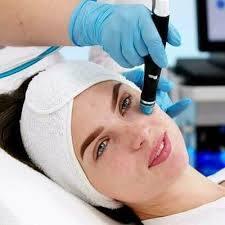
Healthy skin is not just about appearance; it is a critical protective system that defends the body against environmental stress, bacteria, allergens, and moisture loss. When this barrier becomes damaged, the skin becomes sensitive, inflamed, and prone to various dermatological conditions. In modern skincare science, barrier repair has become one of the most essential focuses for long-term skin health. At Glam Clinic Islamabad , dermatology specialists emphasize restoring the skin barrier as a foundation for treating almost every skin concern effectively. Understanding why this repair is so important helps patients make better decisions about their skincare routines and professional treatments.
Understanding the Skin Barrier and Its Structure
The skin barrier, also known as the stratum corneum, is the outermost layer of the skin. It functions like a protective wall made up of skin cells (corneocytes) and lipids such as ceramides, cholesterol, and fatty acids. These components work together to lock in moisture and keep harmful substances out.When the barrier is healthy, skin appears smooth, hydrated, and resilient. It maintains a balanced level of water and oil, which prevents dryness and irritation. However, when this structure is compromised, the skin loses its ability to regulate hydration and defend itself. This leads to visible and uncomfortable symptoms such as redness, flaking, tightness, and increased sensitivity.
How the Skin Barrier Becomes Damaged?
Skin barrier damage can occur due to multiple internal and external factors. One of the most common causes is over-cleansing or using harsh skincare products that strip away natural oils. Exfoliating too frequently or using strong chemical treatments without proper guidance can also weaken the barrier.Environmental stressors play a significant role as well. Pollution, UV radiation, extreme weather conditions, and low humidity can gradually degrade the protective layer. Additionally, lifestyle factors such as poor diet, dehydration, stress, and lack of sleep can slow down the skin’s natural repair mechanisms.Certain medical conditions like eczema, psoriasis, and rosacea are also associated with a compromised barrier function, making dermatological intervention necessary for proper management.
Why Skin Barrier Repair Is Essential in Dermatology?
The importance of barrier repair goes far beyond cosmetic improvement. Dermatologists consider it the foundation of healthy skin because nearly every skin condition is influenced by barrier integrity.When the barrier is damaged, the skin becomes more permeable, allowing irritants and bacteria to penetrate more easily. This can trigger inflammation and worsen existing skin conditions. Repairing the barrier helps restore the skin’s natural defense system, reducing sensitivity and preventing flare-ups.Another key reason is hydration retention. A healthy barrier prevents transepidermal water loss (TEWL), ensuring that the skin remains hydrated. Without proper moisture balance, the skin becomes dry and more prone to fine lines and irritation.Barrier repair also enhances the effectiveness of other dermatological treatments. Whether a patient is undergoing acne therapy, anti-aging procedures, or pigmentation correction, a strong skin barrier ensures better absorption and tolerance of active ingredients.
The Role of the Skin Barrier in Common Skin Conditions
Many dermatological issues are directly linked to barrier dysfunction. Acne, for example, is often worsened when the skin barrier is compromised because inflammation increases and the skin produces excess oil to compensate for dryness.In eczema and dermatitis, barrier impairment is a primary cause of flare-ups. The skin becomes unable to retain moisture and protect against allergens, resulting in chronic itching and inflammation.Even conditions like hyperpigmentation and premature aging are influenced by barrier health. When the skin is constantly irritated, it triggers melanin production and breaks down collagen more rapidly, leading to uneven skin tone and fine lines.By focusing on repairing the barrier, dermatologists can address the root cause of these conditions rather than only treating surface symptoms.
Dermatological Approaches to Skin Barrier Repair
Modern dermatology offers several effective methods to restore and strengthen the skin barrier. The first step usually involves identifying the underlying cause of damage and eliminating harsh skincare habits.Moisturization is a core part of treatment. Dermatologists recommend products rich in ceramides, hyaluronic acid, and fatty acids to replenish lost lipids and restore hydration balance. These ingredients help rebuild the skin’s protective layer and improve elasticity.In-office treatments such as hydrating facials, mild chemical peels, and skin barrier therapy sessions are also commonly used. These treatments are carefully designed to avoid further irritation while promoting regeneration of skin cells.Advanced dermatological care may include prescription creams or ointments that reduce inflammation and support healing. In cases of chronic skin conditions, long-term treatment plans are developed to maintain barrier integrity.
The Connection Between Skin Barrier and Anti-Aging
A strong skin barrier plays a significant role in maintaining youthful skin. As the barrier weakens with age, the skin becomes more vulnerable to dryness, environmental damage, and collagen loss.When moisture retention decreases, fine lines and wrinkles become more visible. Additionally, weakened defense mechanisms allow free radicals and UV damage to accelerate the aging process.By prioritizing barrier repair, dermatologists can slow down visible signs of aging. Hydrated and well-protected skin maintains its elasticity, smoothness, and natural glow for a longer time.
Lifestyle Habits That Support Barrier Repair
In addition to professional treatments, daily habits significantly influence the health of the skin barrier. Proper hydration is essential, as water supports cellular function and maintains elasticity.A balanced diet rich in omega-3 fatty acids, antioxidants, and vitamins A, C, and E helps strengthen the skin from within. Foods such as fish, nuts, seeds, and leafy vegetables contribute to better skin resilience.Avoiding harsh skincare products and simplifying routines can also prevent unnecessary damage. Gentle cleansers, fragrance-free moisturizers, and sunscreen are fundamental for maintaining barrier health.Stress management and adequate sleep further support skin repair, as the body regenerates skin cells during rest periods.
Why Dermatologists Prioritize Barrier Repair First?
One of the key principles in modern dermatology is treating the skin from the inside out. Instead of aggressively targeting symptoms like acne or pigmentation, dermatologists often begin by restoring barrier function first.This approach ensures that the skin is strong enough to tolerate active treatments without irritation. Once the barrier is repaired, other treatments become more effective and results are longer-lasting.This method also reduces the risk of recurring issues. A damaged barrier often leads to a cycle of sensitivity and inflammation, but repairing it breaks this cycle and restores balance.
Advanced Research in Skin Barrier Science
Recent advancements in dermatology have significantly improved the understanding of skin barrier function. Researchers are now exploring the role of microbiome balance, which refers to the healthy bacteria living on the skin surface.A balanced microbiome supports barrier function and helps prevent infections and inflammation. Disruptions in this ecosystem can lead to various skin issues, further highlighting the importance of barrier-focused treatments.New formulations in skincare products are also being developed to mimic the skin’s natural lipid structure, making barrier repair more efficient and long-lasting.
The Future of Barrier-Focused Dermatology
The future of dermatology is increasingly centered on prevention and restoration rather than aggressive treatment. Skin barrier repair is expected to remain a core focus as more patients seek gentle yet effective solutions.With growing awareness, individuals are now more conscious of how lifestyle, environment, and skincare choices affect their skin health. This shift is leading to more personalized treatment plans that prioritize barrier strength.Clinics and dermatologists are also adopting advanced diagnostic tools to assess barrier health more accurately, allowing for targeted and precise treatments.
Conclusion
Skin barrier repair is one of the most important aspects of modern dermatology because it addresses the root foundation of skin health. A strong barrier protects against environmental damage, maintains hydration, reduces sensitivity, and supports overall skin function. When this barrier is compromised, nearly every skin condition becomes more severe and difficult to manage.By focusing on restoration rather than only surface-level treatment, dermatology ensures long-term improvements and healthier outcomes. From professional treatments to daily skincare habits, maintaining a strong barrier is essential for achieving resilient, balanced, and radiant skin.
Categorieën
Read More
Benign skin growths are extremely common and can appear at any stage of life. While these growths are generally harmless and non-cancerous, they may become a cosmetic concern or cause discomfort due to their size, location, or repeated irritation. Many people develop skin tags, moles, cysts, warts, or other benign lesions that can affect their confidence or interfere with daily activities....
ORDER NOW : https://healthyifyshop.com/OrderWaveMaxAntenna If you’re ready to simplify your entertainment setup and save money, the WaveMax Antenna is definitely worth considering. FOR MORE INFORMATION : https://www.facebook.com/WaveMaxAntennaOfficial/ https://www.facebook.com/WaveMaxAntennaPage/...

Managing a commercial property or real estate portfolio in North Texas means dealing with some of the most punishing weather extremes in the country. From brutal, high-intensity summer heatwaves to sudden windstorms and severe, destructive hailstorms, your building’s roof faces constant physical stress. Unlike simple residential structures, flat or low-slope commercial roofs require...

A gate does more than mark a boundary. It sets the tone for a property, adds a layer of security, and quietly handles daily traffic in and out of a home. That's why more homeowners searching for aluminum gate installation in Victoria, BC are weighing their options carefully before committing to a material or a design. Picture a family that just moved into an older home near the water. The...