How to Use The ‘Net Operating Loss’ Carryback For a Refund in Taxes?

The IRS is a complex landscape that demands an acuter insight into changes in the legislation. The Tax Cuts and Jobs Act (TCJA) went into effect and eliminated most of the NOL carryback options, but the CARES Act has now lapsed. The strategy has changed as of 2026. The carryback is no longer a generic cost-sharing device, but a special one for targeted industries for most companies.
What qualifies as a Net Operating Loss (NOL) in 2026?
An NOL is an income loss that happens when your business expenses for a year are greater than your adjusted gross income. This "negative income" can prove to be a valuable tax asset.
Most of the individual and corporate NOLs resulting from 2026 will not be allowed to be carried back to the previous years as a refund; however, under the existing 2026 regulations. The tax audit attorney or other experts can guide you through the refund process when there is a case of getting deductions for the net operating losses.
Rather, they should be carried over indefinitely in order to mitigate up to 80% of the income that will be taxable in the future.
Who is still eligible for an NOL carryback refund?
Although the pandemic-era 5-year carryback benefit is no longer in effect, the IRS will allow certain entities to take a step back:
· Farming Losses: Losses can be carried back by qualified farmers for two years.
· Property & Casualty Insurance: Non-life insurance companies can continue to use a two-year carryback and a 20-year carry-forward.
· Conditions for Disaster-Related Losses: Conditions may apply to losses in federally declared disaster areas.
How do I mechanically process a carryback to get my refund?
The IRS offers two main options to "monetize" a prior year's loss if you qualify:
The fast track is Form 1045 (Individuals) or Form 1139 (Corporations), which is called the "Tentative Refund" application. Must be filed within 12 months of the end of the loss year. The IRS normally processes these in 90 days.
If the 12-month window for a tentative refund is missed, then an amended return (1040-X or 1120-X) must be filed. This process is much more intense and time-consuming to address.
How does the 80% limitation impact my tax strategy?
If your losses are carried over to 2026 and beyond, you won't be able to cover your entire tax liability. The TCJA will require that you take the NOL deduction at 80% of your taxable income (before the deduction).
This means that there is always some tax levied on profitable businesses even though they are using past losses. A sales tax attorney or some other experts can help in minimizing the taxes by recovering the losses.
Conclusion
The "carryback" is a precision instrument in 2026, not a general provision for safety. In most other professions, such as farming or insurance, this approach will be your main one – a carry-forward. No matter if you're not getting a refund check now, the rigorous documentation of your NOLs now affords you an evergreen protection for future profits.
Kategorien
Mehr lesen
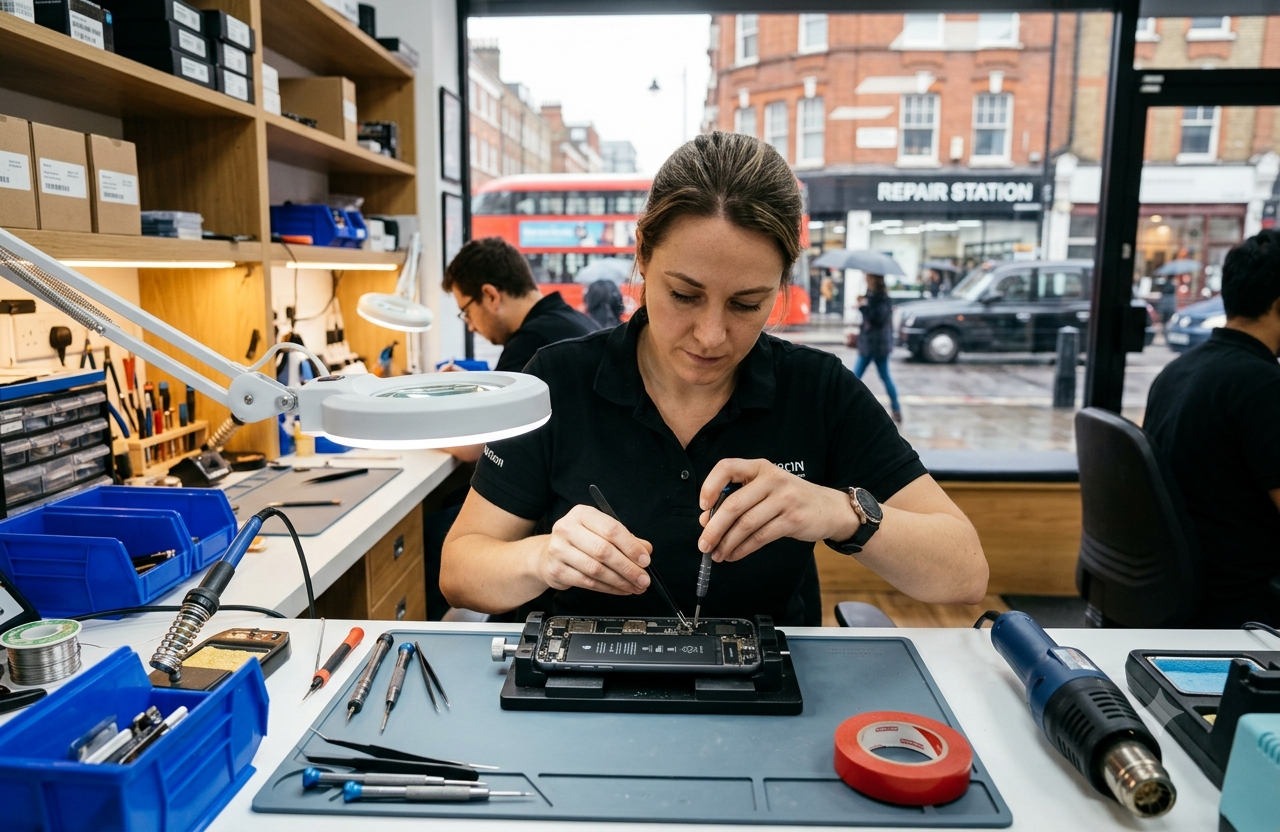
Smartphones have become an essential part of daily life, helping people stay connected, work efficiently, and enjoy entertainment on the go. Samsung smartphones are known for their innovative features, powerful performance, and sleek designs. However, like any electronic device, they can experience damage or technical issues over time. Whether it is a cracked screen, a weak battery, charging...
The Architectural Blueprint of Modern Heavyweight Casual Wear The contemporary standard of high-end casual fashion has permanently moved away from lightweight, disposable textiles toward structured garments that carry genuine physical weight. For many years, major retail production focused heavily on low-cost synthetic blends that stretched out, warped, and completely lost their drape after...

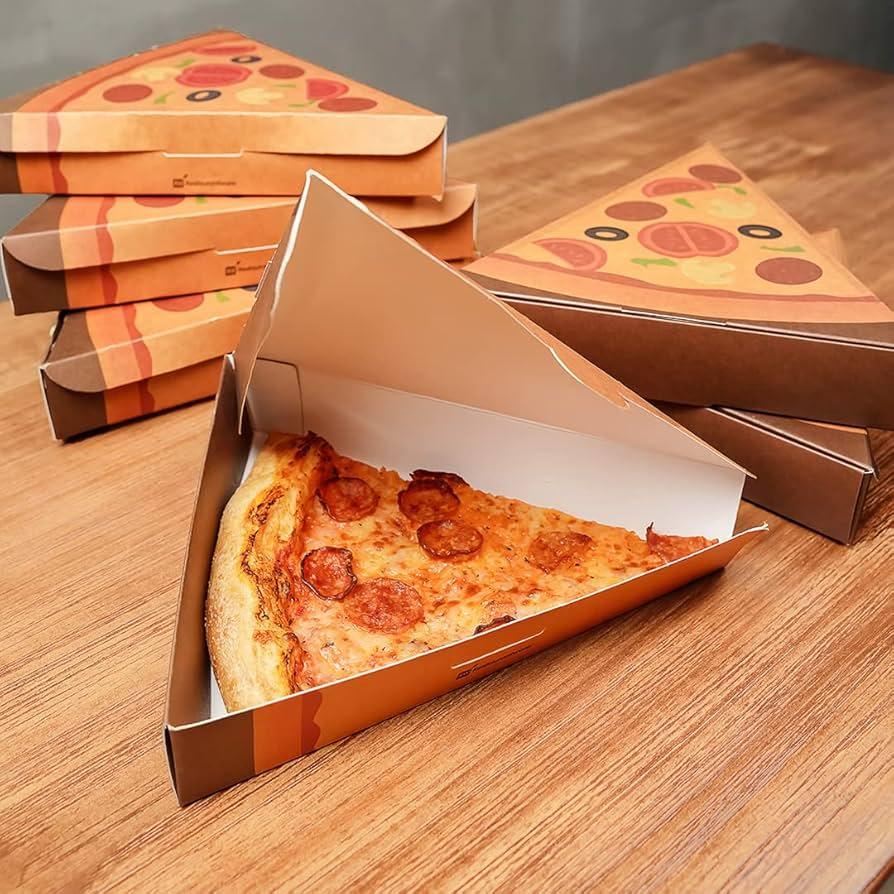
People buy pizza by the slice every day because it is quick, easy, and filling. Good packaging matters more than many small food shops think. A soft slice can turn messy during delivery or takeaway if the box is weak or badly shaped. That is why many stores now use custom pizza slice boxes for cleaner serving and safer handling. These boxes also help stop grease from leaking onto hands or...
The Green Methanol Market represents a fundamental shift in how the world approaches fuel production and chemical manufacturing. Unlike conventional methanol derived from natural gas or coal, green methanol is produced using renewable energy sources, biomass, or captured carbon emissions, creating a circular carbon economy that significantly reduces environmental impact. This...