


How Smart Parking Solutions Are Transforming Urban Mobility
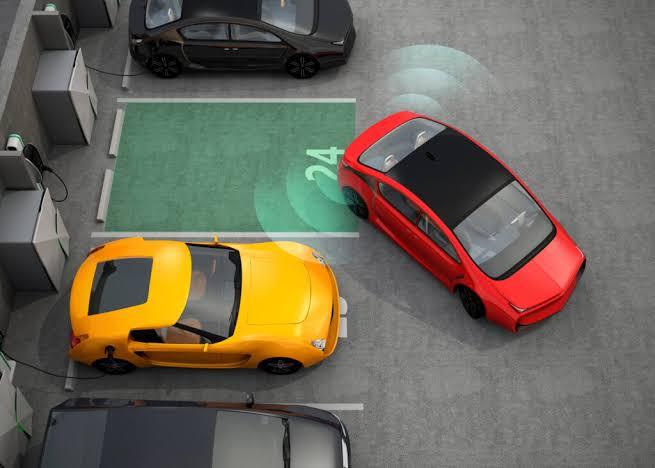
Urban centers around the world continue to face mounting pressure from increasing vehicle ownership, traffic congestion, and limited parking availability. Traditional parking systems often lead to unnecessary delays, fuel consumption, and driver frustration. Smart parking solutions have emerged as an effective approach to addressing these challenges by combining digital technologies with intelligent infrastructure to improve the parking experience for both drivers and city administrators.
As governments and businesses invest in smarter transportation networks, interest in intelligent parking management solutions continues to grow. Industry assessments published by MarkNtel Advisors highlight how advancements in connected technologies, automation, and real-time data are shaping the future of parking ecosystems across residential, commercial, and public spaces.
Modern smart parking systems integrate sensors, cameras, cloud-based platforms, mobile applications, and analytics to monitor parking availability in real time. These technologies help drivers quickly locate vacant spaces while enabling parking operators to optimize resource utilization, improve operational efficiency, and reduce traffic congestion without requiring significant physical expansion of parking infrastructure.
What Makes Smart Parking Different?
Unlike conventional parking facilities that rely on manual monitoring, smart parking systems leverage digital technologies to automate space detection, vehicle tracking, payment processing, and occupancy management. These systems collect continuous data that supports better decision-making for municipalities, commercial property owners, and transportation authorities. The growing adoption of Internet of Things (IoT), artificial intelligence, and cloud computing has significantly enhanced the capabilities of modern parking solutions. According to the International Energy Agency (IEA), digital technologies play an increasingly important role in improving urban transport efficiency and supporting sustainable mobility initiatives.
Key Technologies Powering Smart Parking
Several innovative technologies work together to create a connected parking ecosystem. IoT sensors installed in parking spaces detect vehicle occupancy and transmit real-time information to centralized management platforms. Artificial intelligence analyzes traffic patterns and predicts parking demand, while cloud infrastructure enables operators to manage multiple parking locations remotely. Mobile applications further enhance user convenience by providing navigation assistance, reservation options, and contactless payment capabilities.
Advanced analytics also enable operators to identify peak usage periods, optimize pricing strategies, and improve maintenance planning. These insights help maximize parking utilization while delivering a smoother experience for drivers. The increasing adoption of connected mobility technologies reflects broader digital transformation efforts taking place across transportation infrastructure worldwide. Research from the World Bank also emphasizes the importance of smart mobility solutions in improving urban accessibility and reducing congestion.
Benefits for Cities and Drivers
Smart parking solutions create value for multiple stakeholders. Drivers spend less time searching for available parking spaces, leading to shorter travel times and reduced fuel consumption. Parking operators benefit from automated management, improved occupancy visibility, and streamlined payment collection. Municipal authorities gain access to valuable data that supports urban planning, traffic management, and infrastructure development.
Digital parking systems also contribute to environmental sustainability by minimizing unnecessary vehicle circulation. Reduced congestion helps lower emissions while supporting broader initiatives focused on cleaner transportation networks. Contactless payments, automated enforcement, and real-time monitoring further improve operational efficiency and customer satisfaction.
Growing Role in Smart City Development
Smart parking has become an important component of modern smart city initiatives. As cities adopt intelligent transportation systems, parking infrastructure is increasingly integrated with traffic management platforms, public transit networks, and digital governance systems. This interconnected approach allows authorities to respond more effectively to changing traffic conditions while improving overall mobility.
Integration with electric vehicle charging infrastructure, navigation platforms, and digital payment ecosystems further expands the functionality of smart parking solutions. These developments create a more connected urban environment where transportation services operate more efficiently and deliver greater convenience for residents and visitors alike.
Challenges That Need Attention
Despite its advantages, implementing smart parking infrastructure presents several challenges. Initial deployment costs, system integration complexities, cybersecurity concerns, and data privacy requirements require careful planning. Organizations must also ensure compatibility between existing infrastructure and new digital technologies while maintaining reliable network connectivity.
User adoption remains another important consideration. Drivers and parking operators may require education and training to fully utilize digital platforms and automated systems. Addressing these challenges through standardized technologies, secure platforms, and user-friendly applications will support broader adoption across different regions.
Future Outlook
The evolution of connected mobility, artificial intelligence, IoT devices, and cloud computing will continue to strengthen smart parking capabilities. Future innovations are expected to enhance predictive analytics, automate parking operations, improve interoperability, and support more sustainable transportation ecosystems. As urban populations continue to grow, intelligent parking management will remain an essential element of efficient city planning.
Organizations, municipalities, and infrastructure developers are increasingly recognizing that smarter parking systems extend beyond convenience. They represent an important investment in urban efficiency, digital transformation, and environmental sustainability. As technology continues to evolve, smart parking solutions are expected to play a central role in creating safer, more connected, and more efficient cities for the future.
Categorias
Leia Mais
Fashion is more than just clothing—it is a way to express personality, creativity, and confidence. In today's world of streetwear, few brands have captured the attention of fashion enthusiasts quite like Drew House. Known for its relaxed silhouettes, premium materials, and instantly recognizable smiley logo, Drew House has become a favorite among people who value comfort without...

Businesses today depend on well-maintained infrastructure to operate without interruptions. Technical Services play a crucial role in ensuring that commercial buildings, industrial facilities, hospitals, educational institutions, and corporate offices remain safe, efficient, and productive. From routine inspections to preventive maintenance and emergency support, professional technical...

People buy pizza by the slice every day because it is quick, easy, and filling. Good packaging matters more than many small food shops think. A soft slice can turn messy during delivery or takeaway if the box is weak or badly shaped. That is why many stores now use custom pizza slice boxes for cleaner serving and safer handling. These boxes also help stop grease from leaking onto hands or...

Online education offers flexibility, but it also places greater responsibility on students to manage their own schedules. Without regular classroom reminders, assignments and weekly discussions can quickly pile up. Creating a structured routine, staying organized, and making use of useful learning resources are some of the best ways to remain consistent throughout a course. Create a Practical...

