


Steel vs Aluminium Hangar Door: Which Is Better?
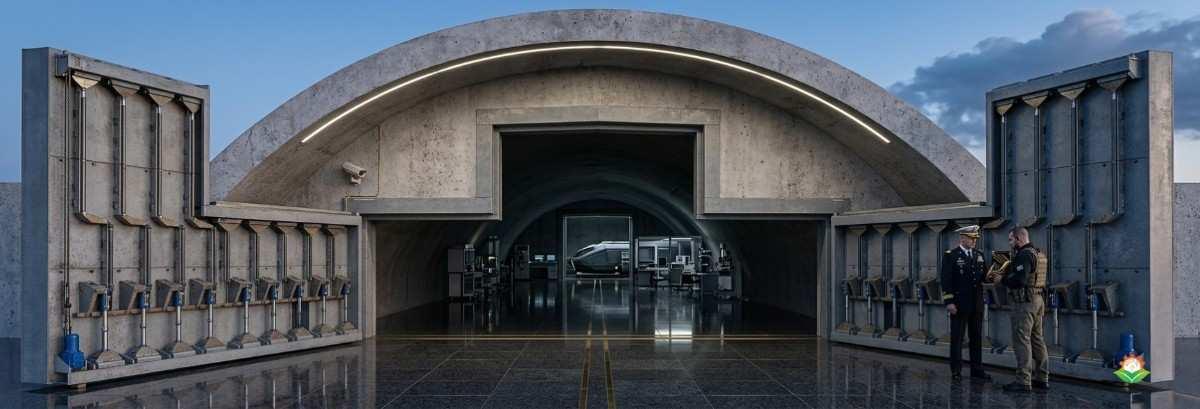
A regional airport planning to expand its maintenance hangar faced a familiar engineering dilemma. The design team had to choose between a steel and aluminium Hangar door system capable of handling frequent aircraft movements, strong wind loads, and decades of continuous operation. While both materials are widely used, selecting the right option directly affects structural reliability, maintenance costs, operational efficiency, and the overall lifecycle of the facility.
As aviation infrastructure becomes more advanced, choosing the right material for an Aircraft hangar door is no longer a simple cost comparison. The decision depends on engineering requirements, climate conditions, door size, automation, and long-term operational goals. Understanding the strengths and limitations of both materials helps airport operators, defence agencies, and industrial facility owners make informed investment decisions.
Understanding Hangar Door Materials
A Hangar door is a large engineered access system designed to provide safe, unobstructed entry for aircraft while protecting valuable assets from weather, security threats, and environmental damage.
Modern airplane hangar doors are available in several configurations, including sliding, vertical-lift, bi-fold, hydraulic, and folding systems. Regardless of the operating mechanism, the structural frame is commonly manufactured from either steel or aluminium.
Material selection influences not only the weight of the door but also its structural behaviour, automation requirements, maintenance schedule, and expected service life.
Steel vs Aluminium Hangar Door: A Detailed Comparison
Structural Strength
Steel offers exceptional tensile strength, making it suitable for very large-span doors used in military airbases, commercial airports, and heavy industrial facilities.
Its high load-bearing capacity allows engineers to design massive doors that resist wind pressure and operational stress without excessive structural deformation.
Aluminium, while lighter, delivers excellent strength-to-weight performance. For medium and large hangars, modern aluminium alloy systems provide sufficient structural integrity while significantly reducing overall door weight.
Corrosion Resistance
One of aluminium's greatest advantages is its natural resistance to corrosion.
Facilities located near coastal regions, humid climates, or chemically aggressive environments often benefit from aluminium because it requires less corrosion protection over time.
Steel doors generally require galvanisation, specialised coatings, or regular repainting to prevent rust, particularly where moisture and salt exposure are common.
Weight and Automation
Door weight directly affects automation systems.
Aluminium structures are considerably lighter than steel, reducing motor load, power consumption, roller wear, and mechanical stress.
A lighter Hangar door design can often operate faster and more efficiently while extending the service life of automation components.
Steel doors, although heavier, remain an excellent choice when maximum rigidity is the highest priority.
Hangar Door Performance in Real Operating Conditions
Weather conditions play a major role in material selection.
Both steel and aluminium systems can be engineered to meet demanding wind-load ratings when designed correctly. However, structural engineering calculations become increasingly important as door dimensions increase.
Fire resistance also deserves attention. Steel maintains structural stability at higher temperatures for longer periods, although complete fire performance depends on the overall door assembly rather than the material alone.
For airports operating around the clock, reliability during repeated opening and closing cycles is equally important. High-quality bearings, guide rails, automation systems, and precision manufacturing often have a greater influence on long-term performance than material choice alone.
Hangar Door Design Considerations
A successful Hangar door design balances structural engineering with operational efficiency.
Engineers typically evaluate:
- Aircraft dimensions and clearance requirements
- Wind-load calculations
- Local environmental conditions
- Frequency of door operation
- Building structural capacity
- Automation integration
- Future facility expansion
- Maintenance accessibility
Rather than selecting steel or aluminium first, designers usually begin by defining operational requirements and then determine which material best supports those objectives.
Key Features of Modern Hangar Doors
Whether manufactured from steel or aluminium, modern systems typically include:
- High structural strength
- Wind-load resistance
- Corrosion protection
- Automated opening systems
- Precision guidance mechanisms
- Large clear-span access
- Weather sealing
- Energy-efficient operation
- Integrated safety sensors
- Low operational maintenance
- Enhanced facility security
Engineering quality remains the defining factor behind reliable long-term performance.
Applications
Both steel and aluminium hangar doors are widely used across multiple industries.
Typical applications include:
- Aircraft hangars
- Military airbases
- Defence facilities
- MRO centres
- Aerospace manufacturing plants
- Helicopter hangars
- Aviation training academies
- Industrial warehouses
- Logistics hubs
- Large engineering workshops
The final material selection depends on each facility's operational demands rather than a universal preference.
Cost and Investment Factors
The purchase price of a hangar door represents only part of the total investment.
Several engineering factors influence project cost:
- Door dimensions
- Material selection
- Structural engineering complexity
- Wind-load rating
- Automation systems
- Safety features
- Installation requirements
- Manufacturing precision
- Surface protection
- Maintenance planning
- Custom design requirements
Steel doors may involve higher structural support requirements because of their weight, while aluminium systems may reduce long-term maintenance costs through improved corrosion resistance and lower mechanical wear.
Evaluating lifecycle costs instead of initial purchase price often produces better investment decisions.
Buyer's Guide: Choosing the Right Hangar Door Manufacturer
Selecting experienced Hangar door manufacturers in India involves much more than comparing quotations.
Buyers should evaluate:
- Proven aviation project experience
- Engineering capability
- Manufacturing quality
- Compliance with applicable standards
- Custom design expertise
- Automation integration
- Installation capability
- Technical documentation
- After-sales service
- Preventive maintenance support
Companies such as Sigma Power Tech Hangar door solutions demonstrate the importance of combining manufacturing expertise with installation, automation, and lifecycle support. As a Sigma Power Tech manufacturer and service provider, the focus extends beyond fabrication to include engineering, commissioning, inspection, and long-term operational assistance.
Common Mistakes to Avoid
Many project delays and operational issues arise from avoidable mistakes, including:
- Choosing solely based on purchase price
- Ignoring structural engineering requirements
- Selecting the wrong door configuration
- Underestimating wind and environmental conditions
- Overlooking automation requirements
- Neglecting preventive maintenance planning
- Failing to consider future hangar expansion
- Working with inexperienced manufacturers
Careful planning during the design stage significantly reduces operational risks throughout the facility's lifespan.
Conclusion
There is no universal answer to whether steel or aluminium is the better Hangar door material. Steel offers exceptional strength for extremely large and demanding installations, while aluminium provides lighter operation, superior corrosion resistance, and lower long-term maintenance in many environments.
The most effective solution depends on aircraft size, operating frequency, climate, structural requirements, automation strategy, and future expansion plans. A properly engineered Aircraft hangar door should deliver reliable performance, protect valuable aircraft, minimise operational downtime, and support efficient facility management for decades.
Ultimately, investing in high-quality engineering, precision manufacturing, and experienced technical support will have a far greater impact on long-term success than simply choosing between steel and aluminium.
Categorieën
Read More
Creating SEO reports manually can consume hours every month. Agencies, freelancers, and in-house marketers need efficient reporting solutions that transform complex SEO data into clear, client-friendly insights. The best SEO reporting tools automate data collection, visualise performance metrics, and help demonstrate the value of your SEO efforts. In 2026, reporting is no longer just...

Herill has carved a distinct place in contemporary fashion by focusing on purity of fabric, precise tailoring, and understated luxury. In a market filled with fleeting trends, Herill stands apart through restraint, craftsmanship, and devotion to material quality. The brand speaks to those who appreciate garments that age beautifully and feel personal over time. Founded in Japan, Herill reflects...

Finding a restaurant that offers great food, live entertainment, and a welcoming atmosphere can make all the difference when choosing where to spend an evening. In Presque Isle, Maine, Time Out Sports Bar & Restaurant has become a popular destination for locals and visitors looking for quality dining paired with sports, music, and nightlife. Conveniently located in...

