Why Mexico's Truck and Bus Radial Tire Demand Is Rising with Logistics Expansion and Fleet Modernization
Mexico's truck and bus transportation sector is undergoing significant transformation as freight movement, cross border trade, and infrastructure development continue to reshape commercial mobility. Truck and Bus Radial (TBR) tires have become an essential component of this evolution because they offer higher durability, improved fuel efficiency, better heat resistance, and enhanced load carrying capabilities compared to conventional alternatives. As logistics operators focus on lowering operating costs while improving vehicle performance, radial tire adoption is steadily increasing across the country's commercial vehicle fleet.
According to MarkNtel Advisors, the growing demand for trucks and buses, expanding logistics activities, and rising awareness of tire maintenance are among the primary factors supporting the adoption of TBR tires in Mexico. The study also highlights the increasing interest in tire monitoring technologies and government initiatives aimed at strengthening transportation infrastructure.
Expanding Freight Transportation Is Supporting Tire Replacement Demand
Mexico serves as one of North America's most important manufacturing and export hubs. The country's extensive road network plays a crucial role in moving automotive components, consumer goods, industrial equipment, and agricultural products across domestic and international markets. This heavy reliance on road transportation naturally increases tire wear, making regular tire replacement a necessity for commercial fleet operators.
Growing freight movement has encouraged logistics companies to prioritize high performance radial tires capable of delivering longer service life and improved operational reliability. Fleet operators increasingly recognize that investing in quality tires can reduce downtime, improve fuel efficiency, and lower overall maintenance expenses.
Recent industry developments also reflect continued strength in Mexico's commercial vehicle sector, supported by manufacturing expansion and nearshoring activities that are increasing freight volumes across the country.
Fleet Operators Are Prioritizing Tire Health and Maintenance
Commercial vehicles often travel thousands of kilometres every month under demanding operating conditions. Tire failures can lead to delivery delays, increased maintenance costs, and safety concerns. As a result, preventive tire maintenance has become a growing priority among transport companies.
Routine inspections, correct inflation pressure, wheel alignment, and timely tire replacement help fleets maximize tire lifespan while improving fuel economy. Fleet managers are also investing in digital tire management systems that provide real time information about tire pressure and temperature, allowing maintenance teams to address issues before they become major problems.
According to the report published by MarkNtel Advisors, growing awareness regarding tire health and timely maintenance is becoming an important contributor to TBR tire demand across Mexico.
Infrastructure Development Continues to Influence Commercial Mobility
Ongoing investments in highways, industrial corridors, ports, and logistics infrastructure are improving freight connectivity throughout Mexico. Better transportation infrastructure enables commercial vehicles to operate more efficiently while supporting increased trade between manufacturing centres and export destinations.
Government initiatives aimed at modernizing transportation networks also encourage logistics companies to upgrade their fleets with newer commercial vehicles equipped with advanced radial tire technology. Modern infrastructure creates operating conditions where premium radial tires can deliver greater efficiency, longer mileage, and improved vehicle handling.
Mexico has also introduced programmes supporting heavy vehicle modernization, reinforcing efforts to improve freight transport efficiency while reducing emissions from commercial transportation.
Heavy Trucks Continue to Drive Tire Consumption
Heavy commercial trucks remain the backbone of Mexico's logistics and freight transportation industry. These vehicles operate under demanding conditions while carrying substantial loads over long distances. Such operating environments require tires capable of maintaining stability, durability, and fuel efficiency throughout extended service cycles.
Radial tires are particularly suited for heavy duty applications because their construction reduces rolling resistance and heat generation while providing improved traction. Their ability to withstand continuous highway operation makes them the preferred choice for fleet owners seeking long term operating savings.
According to the MarkNtel Advisors study, heavy trucks represent one of the most significant contributors to TBR tire demand due to their widespread use in cargo transportation across Mexico.
Digital Technologies Are Changing Tire Management
Technology adoption is gradually transforming commercial fleet maintenance across Mexico. Tire Pressure Monitoring Systems (TPMS), predictive maintenance platforms, telematics, and fleet management software allow operators to monitor tire conditions remotely and improve maintenance scheduling.
These technologies help identify pressure loss, uneven wear, and abnormal operating temperatures before they result in unexpected tire failures. The result is improved vehicle availability, reduced maintenance costs, and enhanced road safety.
Digital monitoring also supports sustainability goals by helping fleets maximise tire life and minimise unnecessary replacements, contributing to lower operating costs and reduced material waste.
OEM Demand Is Growing Alongside Commercial Vehicle Production
Mexico continues to attract investment in automotive manufacturing because of its strategic location, skilled workforce, and well established supply chain network. As commercial vehicle production expands, original equipment manufacturers require reliable tire suppliers capable of meeting evolving quality and performance standards.
According to MarkNtel Advisors, OEM demand for TBR tires is expected to remain an important segment due to expanding manufacturing activities and increasing investments in commercial vehicle production facilities.
Sustainability Is Becoming an Important Purchasing Consideration
Environmental responsibility is increasingly influencing purchasing decisions across the transportation industry. Fleet operators are looking for products that improve fuel efficiency while reducing carbon emissions and overall operating costs.
Modern radial tires support these objectives through lower rolling resistance, which helps commercial vehicles consume less fuel during daily operations. Longer tire life also contributes to waste reduction by extending replacement intervals.
At the same time, manufacturers continue investing in advanced rubber compounds, improved tread designs, and retread technologies that further enhance product sustainability without compromising operational performance.
Conclusion
Mexico's Truck and Bus Radial tire segment continues to benefit from expanding freight transportation, infrastructure improvements, commercial fleet modernization, and growing awareness of tire maintenance. As logistics operators pursue greater efficiency, safety, and sustainability, radial tires are becoming an increasingly important component of commercial transportation operations.
According to MarkNtel Advisors, these long term industry developments are expected to keep supporting demand for advanced TBR tire solutions across Mexico's evolving commercial vehicle ecosystem.
Категории
Больше
Pendants, rings, chocolates, and bouquets are outdated as Valentine's Day gifts. They fail to impress. In fact, traditional presents somehow lack the priceless charm unless the pendant or solitaire ring has a diamond, a carat bigger than the Kohinoor in the British Museum. Jokes aside, so, how to impress your girl? Give her something unique, which stays in her memory forever. Yes, a bespoke...

If you have spent years paying off your house, you've got likely constructed a substantial amount of equity. For many residence proprietors, mainly those in retirement, that equity can become a valuable monetary aid. But earlier than identifying whether or not a opposite loan is right for you, it's miles critical to recognize how an lousy lot you could qualify for and how the mortgage works....
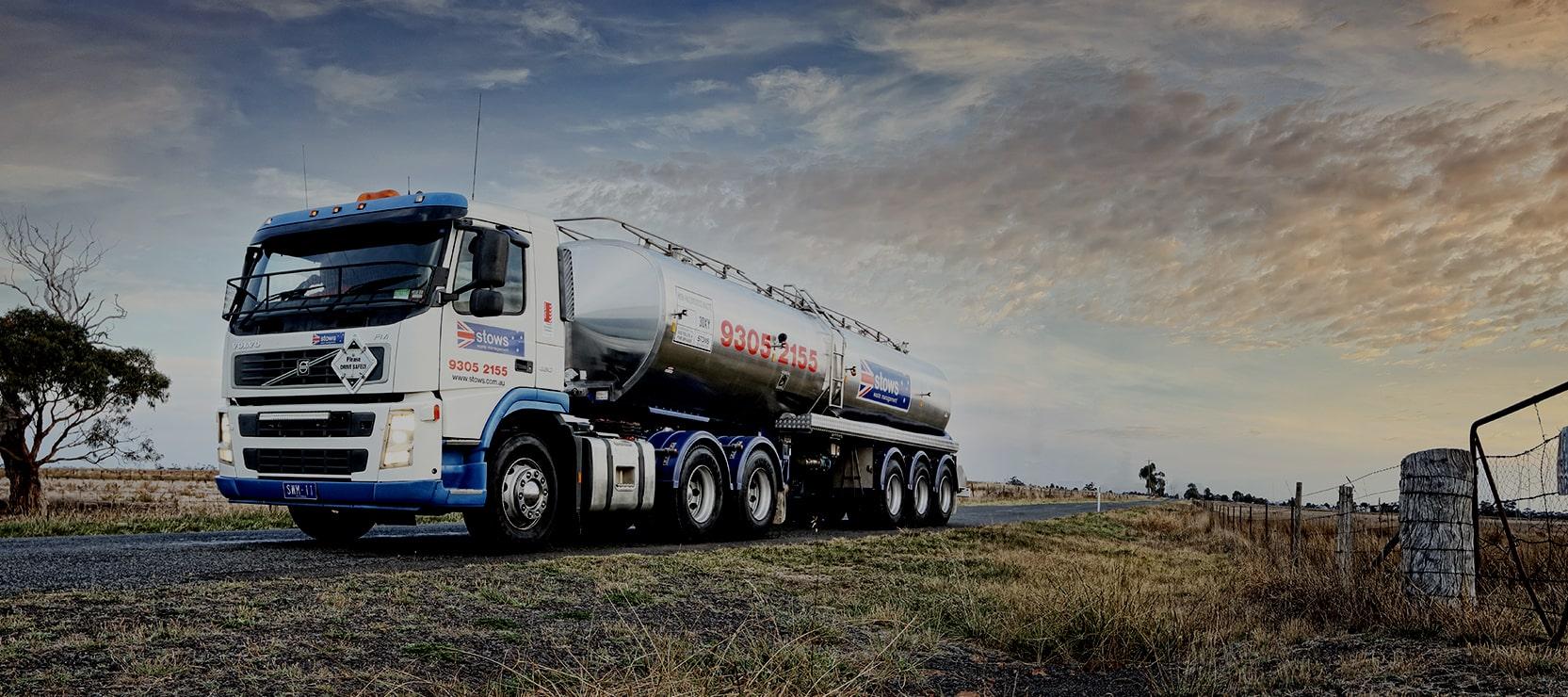
Looking for reliable waste nanagement services in Melbourne? Stows has been delivering professional waste management solutions for more than 120 years, earning a reputation for exceptional service, industry expertise, and environmental responsibility. Our experienced team provides tailored waste collection, recycling, disposal, and resource recovery solutions for residential, commercial,...
When it comes to health, safety, and compliance, the accuracy of testing can make or break critical decisions. From medical diagnoses to environmental assessments and industrial quality checks, reliable laboratory results are non-negotiable. This is why organizations and individuals increasingly look for nabl accredited laboratories to ensure dependable outcomes. At ecotown, we believe that...

Lighting plays a major role in creating a comfortable and productive environment. Whether it is a home, office, warehouse, school, or retail store, choosing the right lighting solution can improve visibility while reducing energy costs. T8 Led Tube Lights have become a popular choice because they offer excellent efficiency, long-lasting performance, and dependable illumination. What Are T8 LED...