How to Become a Pilot: Complete Guide for Students in India
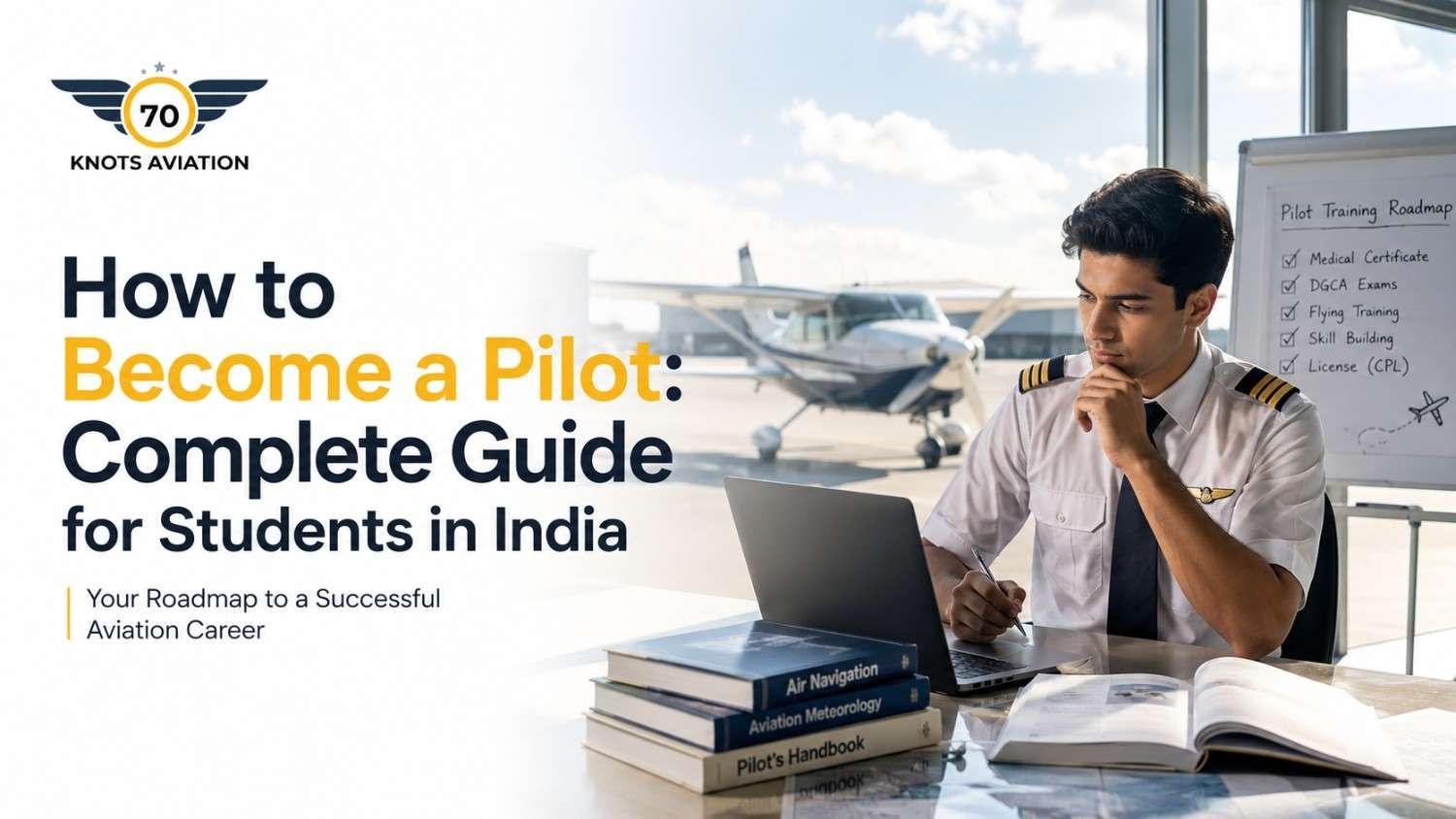
Becoming a pilot is a dream for many students who are fascinated by aviation, aircraft, and the opportunity to build a career in the skies. However, turning this dream into reality requires proper planning, dedication, technical knowledge, and professional training. Understanding the complete process is the first step for students who want to know how to become a pilot in India.
Aviation is a highly disciplined field where pilots are responsible for passenger safety, aircraft operations, and decision-making under different situations. Students need to meet eligibility requirements, clear required examinations, complete flight training, and obtain licenses approved by aviation authorities.
India’s aviation industry continues to grow, creating opportunities for aspiring pilots. However, selecting the right training path and understanding the overall journey is essential before investing time and money. A reputed pilot training institute in India can help students receive structured training, experienced guidance, and practical exposure.
This guide explains the complete process of becoming a pilot, including eligibility criteria, training requirements, examinations, career opportunities, and important factors every aspiring pilot should know before starting their aviation journey.
Table of Contents
- Eligibility Requirements to Become a Pilot in India
- Step-by-Step Process: How to Become a Pilot
- Understanding DGCA Approval and Examinations
- Role of DGCA Pariksha in Pilot Training
- Choosing the Right Pilot Training Institute
- Pilot Training Process and Flight Experience
- Understanding Pilot Training Cost in India
- Career Opportunities After Becoming a Pilot
- Common Mistakes Students Should Avoid
- Frequently Asked Questions
- Conclusion
Eligibility Requirements to Become a Pilot in India
Before starting pilot training, students must understand whether they meet the basic eligibility requirements set by aviation authorities. These requirements ensure that candidates have the necessary academic background, medical fitness, and skills required for professional flying.
Educational Qualification
Students who want to become commercial pilots in India generally need to complete their 10+2 education with Physics and Mathematics as compulsory subjects.
The basic academic requirements include:
- Completion of Class 12 from a recognized board
- Physics and Mathematics as subjects in Class 12
- Minimum required marks according to aviation regulations
- Good understanding of English communication
Students who did not study Physics and Mathematics during their school education can complete these subjects through recognized options before beginning pilot training.
Age Requirements
Age plays an important role in pilot licensing. Students must meet the minimum age criteria before applying for different licenses.
Generally:
- Students can begin flight training after meeting the required age criteria.
- A Private Pilot License (PPL) requires a minimum age of 17 years.
- A Commercial Pilot License (CPL) requires candidates to meet the prescribed age requirements.
Planning early allows students to complete their training efficiently and prepare for a professional aviation career.
Medical Fitness Requirements
Medical fitness is one of the most important aspects of becoming a pilot. Pilots must maintain physical and mental fitness because flying requires concentration, quick decision-making, and responsibility.
Students need to complete aviation medical examinations conducted by approved medical professionals. These assessments usually check:
- Vision standards
- Hearing ability
- General physical health
- Overall fitness for aviation duties
Maintaining good health throughout training helps students meet professional aviation standards.
Step-by-Step Process: How to Become a Pilot in India
Many students search for how to become a pilot because the process can appear complicated at first. Breaking the journey into clear steps makes it easier to understand and plan.
Step 1: Complete 10+2 Education
The first step is completing senior secondary education with Physics and Mathematics. These subjects provide the technical foundation needed for understanding aviation concepts such as navigation, aircraft performance, and flight principles.
Students should also focus on improving English communication skills because aviation communication worldwide uses English as the primary language.
Step 2: Clear Aviation Medical Examination
After completing educational requirements, students should undergo the required medical examination. Completing medical checks early helps candidates understand whether they meet aviation fitness standards before investing heavily in training.
Step 3: Register for Required Examinations
Aspiring pilots must clear examinations conducted according to aviation authority guidelines. These exams test students on important aviation subjects such as:
- Air Navigation
- Aviation Meteorology
- Aircraft Systems
- Air Regulations
- Technical knowledge
Proper preparation is essential because these subjects form the foundation of safe aircraft operations.
Step 4: Join a Recognized Flight Training Program
After meeting eligibility requirements, students can enroll in professional flight training. Choosing an experienced pilot training institute in India helps students receive structured lessons, simulator training, ground classes, and practical flying experience.
A good training institute focuses on both theoretical knowledge and practical skills required for becoming a professional pilot.
Step 5: Complete Flight Training Hours
Students need to complete the required flying hours before applying for a Commercial Pilot License (CPL). During flight training, students learn:
- Aircraft handling
- Take-off and landing procedures
- Emergency management
- Navigation techniques
- Weather-related decision-making
- Communication with air traffic control
Flight experience helps students develop confidence and professional flying skills.
Understanding DGCA Approval and Aviation Examinations
The Directorate General of Civil Aviation (DGCA) regulates civil aviation activities in India. Students pursuing a commercial pilot career must follow DGCA guidelines throughout their training journey.
DGCA ensures that pilot training maintains proper safety standards and that candidates develop the required knowledge and skills before operating aircraft professionally.
Importance of DGCA Examinations
DGCA examinations are an essential part of pilot training. They evaluate whether students understand important aviation concepts required for safe flying operations.
These examinations cover multiple subjects, including:
- Navigation principles
- Aviation rules and regulations
- Weather conditions affecting flights
- Aircraft technical knowledge
Students should prepare consistently instead of depending only on last-minute study. Aviation exams require conceptual understanding rather than memorizing information.
Role of DGCA Pariksha in Pilot Training
The DGCA Pariksha platform plays an important role for aviation students preparing for DGCA examinations. It provides a system where aspiring pilots can manage examination-related activities and complete necessary processes.
Students preparing for DGCA exams should focus on:
- Understanding examination patterns
- Studying aviation subjects regularly
- Practicing previous question formats
- Maintaining consistency throughout preparation
Successful completion of DGCA examinations is a major milestone in the pilot training journey. Proper guidance from instructors and regular practice can help students approach these exams with confidence.
A structured learning environment at an aviation academy can make examination preparation more effective by combining classroom knowledge with practical aviation training.
Choosing the Right Pilot Training Institute
Selecting the right training institute is one of the most important decisions for students who want to build a successful aviation career. The quality of training, instructor experience, aircraft availability, and learning environment can significantly influence a student’s overall flying journey.
A reliable pilot training institute in India should provide a balance between theoretical education and practical flight experience. Students should carefully research different academies before making a final decision.
Factors to Consider Before Selecting a Training Institute
Before joining a flight school, students should evaluate important factors such as:
DGCA Approval and Recognition
Students should always verify whether the institute follows DGCA guidelines and provides training according to aviation standards. Approved training organizations follow structured procedures that help students progress toward professional licensing.
Experienced Flight Instructors
Experienced instructors play a major role in developing a student pilot’s confidence and technical skills. Good instructors help students understand aircraft operations, safety procedures, and decision-making techniques.
Aircraft and Training Facilities
Practical training requires access to well-maintained aircraft and proper facilities. Students should check whether the institute provides:
- Training aircraft availability
- Flight simulators
- Ground training classrooms
- Navigation and aviation equipment
- Safety-focused training procedures
Student Support and Guidance
The pilot training journey involves multiple stages, including examinations, flying hours, documentation, and licensing procedures. Proper guidance helps students understand each step clearly and avoid unnecessary delays.
Institutes like 70 Knots Aviation focus on helping aspiring pilots understand the aviation pathway while building the skills required for professional flying careers.
Pilot Training Process and Flight Experience
Pilot training combines classroom education with practical flying lessons. Students need to develop both technical knowledge and hands-on flying skills before becoming professional pilots.
Ground Training
Before flying an aircraft, students learn important aviation concepts through classroom sessions.
Ground training usually covers:
- Aircraft systems
- Aviation meteorology
- Navigation
- Air regulations
- Flight planning
- Aviation safety procedures
This knowledge helps students make informed decisions during real flight operations.
Practical Flight Training
After completing theoretical lessons, students begin practical flying sessions with qualified instructors.
During flight training, students gradually learn:
- Basic aircraft controls
- Aircraft maneuvering
- Circuit flying
- Cross-country flights
- Emergency procedures
- Solo flying skills
Each flight lesson builds confidence and improves technical ability.
Simulator Training
Modern aviation training often includes simulator sessions where students can practice different flight situations in a controlled environment.
Simulator training helps students experience:
- Weather challenges
- Aircraft system failures
- Emergency scenarios
- Navigation exercises
This allows students to improve decision-making skills before facing similar situations in real aircraft.
Understanding Pilot Training Cost in India
One of the most common questions asked by aviation students is about the overall Pilot training cost in India. The total expense can vary depending on several factors, including the flight school, aircraft type, location, training duration, and additional requirements.
Factors That Influence Training Expenses
The total cost of pilot training depends on:
Flying Hours
Flight training requires students to complete a specific number of flying hours. Since aircraft operation involves fuel, maintenance, and instructor charges, flying hours contribute significantly to overall expenses.
Type of Training Program
Different licenses have different training requirements. A student pursuing a Commercial Pilot License (CPL) will generally require more training compared to someone pursuing recreational flying qualifications.
Training Location and Facilities
The location of a flight school can influence expenses. Institutes with advanced facilities, experienced instructors, and better infrastructure may have different fee structures based on their services.
Additional Expenses
Students should also consider additional costs such as:
- Medical examinations
- Examination fees
- Study materials
- Licensing fees
- Accommodation expenses
- Travel costs
Before joining any academy, students should request a complete fee structure to understand all possible expenses.
How Students Can Plan Their Budget
Proper financial planning helps students avoid difficulties during training. Some practical tips include:
- Compare different training programs carefully
- Understand what services are included in fees
- Ask about payment schedules
- Consider additional expenses beyond tuition fees
- Maintain emergency funds for unexpected costs
A clear financial plan allows students to focus better on their aviation studies.
Career Opportunities After Becoming a Pilot
After completing training and obtaining the required license, pilots can explore various career opportunities in the aviation industry.
Commercial Airline Pilot
Many students aim to become airline pilots after completing their CPL training. Commercial airlines hire pilots based on qualifications, flying experience, technical knowledge, and performance.
Charter Pilot
Charter aviation offers opportunities to fly private aircraft for individuals, companies, and organizations. This career path provides exposure to different flying environments.
Flight Instructor
Experienced pilots can choose instructional roles where they train future aviation students. Becoming a flight instructor allows pilots to share their knowledge and develop teaching skills.
Aviation-Related Careers
Aviation training can also open opportunities in areas such as:
- Aviation management
- Flight operations
- Aircraft safety
- Aviation consulting
- Airport operations
The aviation industry offers diverse career paths for individuals interested in different aspects of flying and aviation management.
Common Mistakes Students Should Avoid During Pilot Training
Many students focus only on obtaining a license and underestimate the importance of preparation and discipline. Avoiding common mistakes can make the training journey smoother.
Choosing an Institute Without Proper Research
Selecting a flight school only based on advertisements or low fees can create problems later. Students should evaluate training quality, approval status, instructor experience, and facilities.
Ignoring Academic Preparation
Pilot training requires strong understanding of aviation subjects. Students should regularly study technical concepts instead of depending only on classroom sessions.
Poor Financial Planning
Since aviation training requires significant investment, students should understand all expenses before starting. Proper planning prevents interruptions during the training process.
Neglecting Communication Skills
Pilots communicate with air traffic controllers, crew members, and aviation professionals regularly. Strong communication skills are essential for safety and professional growth.
Practical Tips for Aspiring Pilots
Students planning to enter aviation can follow these practical tips:
- Start researching aviation careers early
- Improve English communication skills
- Maintain physical fitness
- Develop consistent study habits
- Learn basic aviation concepts before training
- Stay updated with aviation regulations
- Choose training quality over shortcuts
- Take guidance from experienced aviation professionals
Aviation requires commitment and patience. Students who approach training with discipline and dedication have better chances of developing a successful career.
Frequently Asked Questions (FAQs)
1. How to become a pilot after 12th in India?
Students can become pilots after completing Class 12 with Physics and Mathematics. They need to meet medical requirements, clear required examinations, complete flight training, and obtain the necessary license according to DGCA guidelines.
2. What is the minimum qualification required to become a pilot?
Students generally need to complete 10+2 education with Physics and Mathematics. They must also meet medical fitness standards and complete approved pilot training.
3. Is DGCA Pariksha compulsory for pilot training?
Yes, students pursuing commercial pilot licenses need to clear required DGCA examinations as part of their aviation training process.
4. What is the average Pilot training cost in India?
The cost depends on factors such as the training institute, flying hours, aircraft usage, location, and additional expenses. Students should research complete fee structures before selecting an academy.
5. How long does it take to become a commercial pilot in India?
The duration depends on the student’s training progress, examination completion, weather conditions, and flying schedule. Many students complete the process within a few years with consistent effort.
6. Which is the best pilot training institute in India?
The best institute depends on factors such as DGCA compliance, instructor quality, aircraft facilities, training environment, and student support services. Students should compare institutes carefully before making a decision.
7. Can students become pilots without studying science?
Students usually require Physics and Mathematics for commercial pilot training. Those without these subjects may need to complete equivalent courses before beginning training.
8. Is pilot training difficult?
Pilot training requires dedication, technical understanding, discipline, and regular practice. With proper guidance and consistent preparation, students can successfully complete their training.
Conclusion
Learning how to become a pilot requires understanding the complete journey, from meeting eligibility requirements to completing professional flight training. Students must focus on academic preparation, medical fitness, examinations, and practical flying experience.
Choosing the right training academy plays an important role in building aviation skills and confidence. A professional pilot training institute in India can provide structured education, experienced guidance, and practical exposure required for a successful flying career.
Understanding factors such as Pilot training cost in India, DGCA requirements, and training procedures helps students make informed decisions about their future. With dedication, discipline, and proper preparation, aspiring pilots can take the right steps toward achieving their aviation goals with organizations like 70 Knots Aviation.
Categories
Read More
We had a bride cry in our shop last month. Good tears though. She had spent about six months looking at Pinterest boards for wedding florals and by the time she sat down with our team she was so overwhelmed she just said please tell me what to do. So, we did. And that ended up being one of the nicest weddings we have worked on all year. That happens more than you would think. People assume they...

Monitoring a newborn’s health and development requires consistent observation, professional expertise, and early detection of any subtle changes that may indicate concerns. A Home Nurse For Newborns in Dubai provides families with structured and personalized care to ensure that every aspect of a baby’s growth is closely tracked in a safe home environment. In addition, Doctor at Home...

The young chemist is one of the best Natural and pure essential oils, Soap Base manufacturers, Suppliers Worldwide. The young chemist aims to supply 100% pure organic Essential Oils Fragrance Oils Raw Ingredients. We are India's largest manufacturer and supplier of natural essential oils. You can also buy Raw Ingredients and trending Ayurvedic hair, skin, and face oils at...

The Government e-Marketplace (GeM) is an online platform created by the Government of India for buying and selling goods and services. It helps government departments purchase products in a transparent, fast, and paperless way. It also gives businesses a chance to sell directly to government buyers. Before using the GeM registration portal, it is important to understand the two...