Exploring Texas Hill Country Wine Tours: A Traveler's Guide to the Region's Vineyards
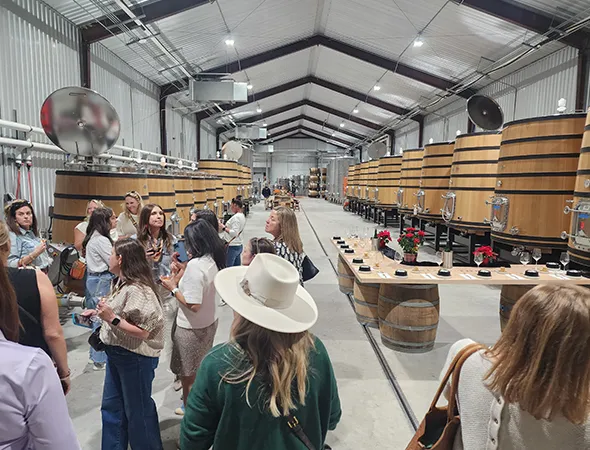
The rolling hills west of Austin and north of San Antonio hide one of America's most surprising wine destinations. Every spring, when the bluebonnets bloom along winding country roads, visitors discover why Texas Hill Country wine tours have become a favorite weekend escape. The region now ranks as the second most-visited wine country in the United States, trailing only Napa Valley.
What draws people here isn't just the wine. It's the scenery, the relaxed pace, and the sense that you've stumbled onto something special that hasn't quite been "discovered" yet.
What Makes the Hill Country a Wine Destination
Texas Hill Country stretches across a wide swath of central Texas, with the Highway 290 corridor between Fredericksburg and Johnson City forming the heart of the action. Dozens of wineries line this route, many within a short drive of one another.
The area's limestone-rich soil and warm climate suit grape varieties that thrive in heat. You'll find Tempranillo, Viognier, Mourvèdre, and other Mediterranean-style wines that reflect the local terroir rather than copying California.
Fredericksburg, with its German heritage and walkable Main Street, serves as the unofficial hub. Many travelers base themselves there and branch out to the surrounding vineyards during the day.
How Most Wine Tours Actually Work
A typical tour visits three to five wineries in a single day. Groups usually start mid-morning, break for lunch at a winery with a kitchen or a nearby restaurant, then continue into the afternoon.
Some visitors plan their own routes and drive themselves. Others book guided experiences that handle logistics, tasting reservations, and transportation. The second option has grown popular for a simple reason: nobody wants to designate a driver when the whole point is to relax and sample wine.
That's where group transportation enters the picture. Shuttles, vans, and buses let everyone in the party enjoy the day equally, without worrying about the drive home.
Key takeaway: Most tours balance a handful of wineries with a lunch stop, and transportation planning often makes or breaks the experience.
The Benefits of Planning Ahead
Booking tastings in advance matters more than newcomers expect. Popular wineries fill up fast on weekends, especially during peak seasons like spring wildflower months and the fall harvest.
Traveling as a group also changes the math. When six or eight friends split the cost of a driver, the per-person price often rivals what they'd spend on gas, parking, and the stress of navigating unfamiliar roads.
Safety plays a role too. Tasting rooms pour generously, and even modest sampling across four stops adds up. Arranging a driver removes any temptation to get behind the wheel after a day of wine.
Real-World Scenarios Where Group Travel Shines
Picture a bachelorette weekend. Ten friends fly into San Antonio, want to hit the wineries near Fredericksburg, and have no interest in coordinating three separate cars. A single vehicle solves the whole problem.
This is a common reason people search for a party bus rental San Antonio option when planning a trip north into the Hill Country. The city makes a convenient launch point, and a larger vehicle keeps the group together from the first stop to the last.
Corporate retreats follow a similar pattern. Companies bringing teams together often want a shared experience, and a guided winery day fits the bill without anyone stressing over logistics.
Milestone birthdays, anniversaries, and family reunions round out the list. In each case, the appeal is the same: spend the day with the people you came with, not stuck watching the road.
Choosing the Right Experience for Your Group
Not every tour suits every traveler. Smaller couples' getaways might prefer an intimate self-guided route, while larger celebrations lean toward organized transportation.
When comparing options, look at group size limits, the wineries included, and whether food is part of the package. Read recent reviews, since service and vehicle quality vary widely across providers.
Local operators tend to know the region best. Companies like Bluebonnet Custom Charters, for example, are among the outfits familiar with the routes connecting San Antonio to the Highway 290 wineries. Choosing someone with regional knowledge often means smoother scheduling and fewer surprises.
Key takeaway: Match the transportation style to your group size and priorities, and favor providers who know the local roads.
Best Times to Visit
Spring brings wildflowers and mild temperatures, making it the most photographed season. Fall offers harvest activities and cooler afternoons. Summer runs hot, so early starts and indoor tasting rooms help.
Weekdays are quieter than weekends across the board. If your schedule allows a Tuesday or Wednesday visit, you'll find shorter lines and more relaxed pours.
Final Thoughts
Texas Hill Country wine tours offer a rare mix of good wine, striking landscapes, and a laid-back atmosphere that still feels genuine. Whether you drive yourself or book group transportation, a little planning goes a long way.
Reserve your tastings early, pick a route that fits your group, and think through how everyone will get from winery to winery safely. Do that, and the day tends to take care of itself.
Frequently Asked Questions
How many wineries can you visit in one day?
Most tours cover three to five wineries in a single day. This pace allows time for tastings, a lunch break, and travel between stops without feeling rushed.
What is the best time of year for Texas Hill Country wine tours?
Spring and fall are the most popular seasons. Spring brings wildflowers and mild weather, while fall offers harvest activities and cooler afternoons. Weekdays are quieter than weekends year-round.
Do you need reservations for wine tastings in the Hill Country?
Yes, many wineries require or strongly recommend reservations, especially on weekends and during peak seasons. Booking ahead helps avoid long waits and sold-out tasting rooms.
How far is the Hill Country wine region from San Antonio?
Fredericksburg sits roughly 70 miles north of San Antonio, about a 90-minute drive. This makes the city a common starting point for day trips and group tours.
Is group transportation worth it for a winery tour?
For larger groups, it often is. Sharing a single vehicle keeps everyone together, splits the cost, and removes the need for a designated driver after a day of tastings.
Κατηγορίες
Διαβάζω περισσότερα
Menifee sits in one of Southern California's sunniest corridors. The heat gets intense, the glare is relentless, and UV exposure is a year-round concern. Window tinting services in Menifee are not just about looks. They are a smart investment in comfort, privacy, and protection. More drivers in the area are turning to professional tinting to make their daily commute more bearable and their...

ISB (Indian School of Business) is the most reputed and a world-class business school in Asia which is funded completely by private corporations and foundations from all around the world. ISB is a top ranked business school which is very well known for its academics, excellent infrastructure and world-class faculty. The process of ISB admissions is not so easy and you will have to face tough...

Passport Photo Software Market is creating significant opportunities for software developers, technology providers, government service partners, and digital identity solution companies. As document verification requirements continue expanding across industries, demand for accurate and compliant passport photo creation tools is increasing globally. Passport photo software enables users to...
The USA pouches market is witnessing robust growth, driven by increasing demand for flexible and lightweight packaging across the food & beverage, pharmaceutical, and personal care industries. Consumers' preference for convenient, resealable, and portable packaging solutions is supporting market expansion. The growing adoption of sustainable and recyclable pouch materials is further fueling...

Brand consistency is another critical element of successful social media marketing, and honestly it matters a lot. Each social media profile should show a kind of unified brand identity, through consistent logos colors, messaging, and tone of voice. This consistency helps customers quickly recognize you, and it also builds trust across different places. So whether people find your business on...