


How to Transfer Your Residency Visa to a New License in Sharjah?
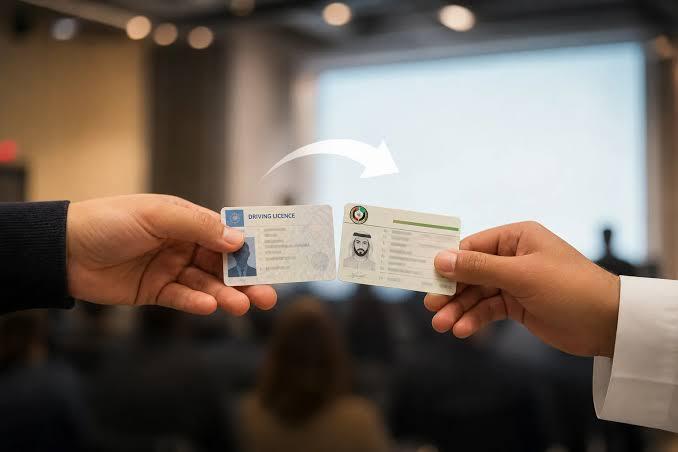
Quick answer: Transferring your residency visa to a new professional license in Sharjah involves canceling your existing visa, applying for a new license through the relevant authority, and re-linking your visa to the updated license. The process typically requires several documents and coordination with both the immigration department and the licensing authority.
Moving your residency visa to a new professional license in Sharjah doesn't have to feel overwhelming. Whether you're changing your business activity, switching employers, or updating your trade license category, understanding the correct steps can save you a lot of time, money, and stress!
This guide walks you through everything you need to know, from the documents you'll need to the key tips that make the process smoother. By the end, you'll feel confident and ready to tackle this process head-on.
Why Transferring Your Visa to a New License Matters
Before diving into the steps, it helps to understand why this transfer is so important. In the UAE, your residency visa is directly tied to your professional license or employer. When that license changes, your visa must be updated to reflect the new details. Skipping this step can result in fines, visa cancellation, or complications during future renewals.
This is where working with a trusted business administration service Dubai or Sharjah can make a real difference. These services are familiar with the local regulations, processing timelines, and documentation requirements, so you don't have to figure it all out on your own.
Step-by-Step Guide to Transferring Your Residency Visa to a New Professional License in Sharjah
Step 1: Understand the Type of License You're Moving To
Not all professional licenses are the same in Sharjah. The Sharjah Economic Development Department (SEDD) issues licenses under different categories, including commercial, industrial, and professional. Before starting the transfer process, confirm which license type applies to your new business activity. This determines which documents you'll need and which government departments will be involved.
Step 2: Cancel Your Existing Visa (If Required)
In many cases, you'll need to cancel your current residency visa before it can be re-linked to a new license. Here's what this typically involves:
- Submitting a visa cancellation request through the GDRFA (General Directorate of Residency and Foreigners Affairs) in Sharjah
- Paying any applicable cancellation fees
- Ensuring there are no outstanding violations or fines attached to your current visa
Once the cancellation is approved, you'll receive a grace period (usually 30 days) to remain in the UAE while completing the transfer process. Don't delay during this window!
Step 3: Obtain Your New Professional License
Apply for or activate your new professional license through the SEDD or the relevant free zone authority, depending on where your business is registered. You'll generally need:
- A completed application form
- Passport copies of the business owner(s)
- Emirates ID copy
- Initial approval from relevant government departments (for certain activities)
- Trade name reservation certificate
- Tenancy contract or Ejari certificate
Working with a professional business management consultant in Dubai or Sharjah can help ensure your license application is submitted correctly the first time, reducing the chance of rejection or delays.
Step 4: Apply for a New Residency Visa Under the New License
Once your new professional license is active, you can apply for a fresh residency visa. The application is submitted through the GDRFA and typically requires:
- A valid passport (with at least six months validity)
- New professional license copy
- Passport-sized photographs (white background)
- Entry permit (if applicable)
- Medical fitness certificate
- Emirates ID registration
After your application is approved, you'll receive your new residency visa stamped in your passport, officially linking you to your updated license.
Step 5: Update Your Emirates ID
Once your new visa is issued, update your Emirates ID through the Federal Authority for Identity, Citizenship, Customs and Port Security (ICP). Your Emirates ID must always reflect your current visa status and sponsoring license.
Helpful Tips to Make the Process Easier
Here are some practical tips to help you avoid common mistakes during the visa transfer process:
Tip 1: Start early. Don't wait until your current visa is about to expire. Begin the transfer process at least 60 days in advance to give yourself enough buffer time.
Tip 2: Keep copies of everything. Maintain both digital and physical copies of all submitted documents. This makes it easier to respond quickly if any department requests additional information.
Tip 3: Check for outstanding fines. Unpaid fines on your current visa or Emirates ID can delay the entire process. Use the GDRFA or ICP smart apps to check your status before you begin.
Tip 4: Use licensed PRO services. A Public Relations Officer (PRO) service in Sharjah can handle government submissions on your behalf, which speeds things up considerably.
Tip 5: Confirm free zone vs. mainland rules. If your new license falls under a free zone authority rather than the SEDD, the visa transfer process and fees may differ. Always verify with the specific authority before proceeding.
Frequently Asked Questions
How long does it take to transfer a residency visa to a new professional license in Sharjah?
The timeline varies depending on the type of license and the government departments involved. On average, the full process, including visa cancellation, new license issuance, and visa stamping, can take between two to six weeks.
Can I stay in the UAE while my visa transfer is being processed?
Yes, once your current visa is canceled, you'll typically receive a grace period of 30 days to remain in the UAE. Make sure to complete your transfer within this period to avoid overstay fines.
Do I need to exit the UAE to get a new residency visa?
In some cases, an exit and re-entry may be required, especially if an entry permit needs to be reissued. A PRO consultant can advise whether a status change inside the UAE is possible for your specific situation.
What happens if I miss the grace period after visa cancellation?
Overstaying beyond the grace period results in daily fines. If this happens, it's important to contact the GDRFA as soon as possible to resolve the overstay and avoid further penalties.
Is it possible to transfer the visa without canceling the old one?
In most cases, no. The new license must be the active sponsoring entity for your visa. Your old visa must be properly canceled before a new one is issued under the new license.
Do dependents' visas also need to be updated?
Yes! If you sponsor family members under your current visa, their visas may also need to be transferred or renewed under your new license. Plan for this additional step when estimating your timeline and budget.
Final Words
Transferring your residency visa to a new professional license in Sharjah is a manageable process when you know what to expect. The key is to stay organized, start early, and work with the right professionals who understand UAE immigration and licensing regulations.
If you're feeling unsure about any part of the process, reaching out to a certified PRO or business consultancy service in Sharjah or Dubai is always a smart move. They can handle the paperwork, liaise with government departments, and keep you updated every step of the way. You've got this!
Categories
Read More
Businesses today operate in an environment where speed, innovation, and adaptability determine long-term success. As digital transformation accelerates across industries, organizations are expected to deliver high-quality software products faster than ever before. Whether developing enterprise applications, cloud platforms, mobile solutions, or customer-facing digital services, companies often...

Rawalpindi is expanding every year, and with that expansion, the real estate market is also changing. New roads, commercial areas, and housing societies are shaping how people decide where to live. In this changing environment, park view city Rawalpindi has become a popular choice for families and investors in Rawalpindi, Pakistan. In older parts of the city, daily life often feels...

Manage Your Field Workforce with Real-Time Visibility As businesses grow, managing field employees efficiently becomes more challenging. Companies in logistics, sales, healthcare, facility management, and service industries often struggle with tracking employee activities, monitoring attendance, and ensuring tasks are completed on time. A modern Workforce Tracking Solution helps organizations...
Book Udaipur to Ranthambore cab online at best price. CabBazar provides car rental services for all cab types AC, Non AC, Hatchback, SUV, Sedan, Innova and Tempo Traveller. Both One way drop taxi and round trip cab available at lowest price. Price starts Rs. 9/Km.

