What Factors Affect a Hot Tapping Project Timeline for Safe Operations
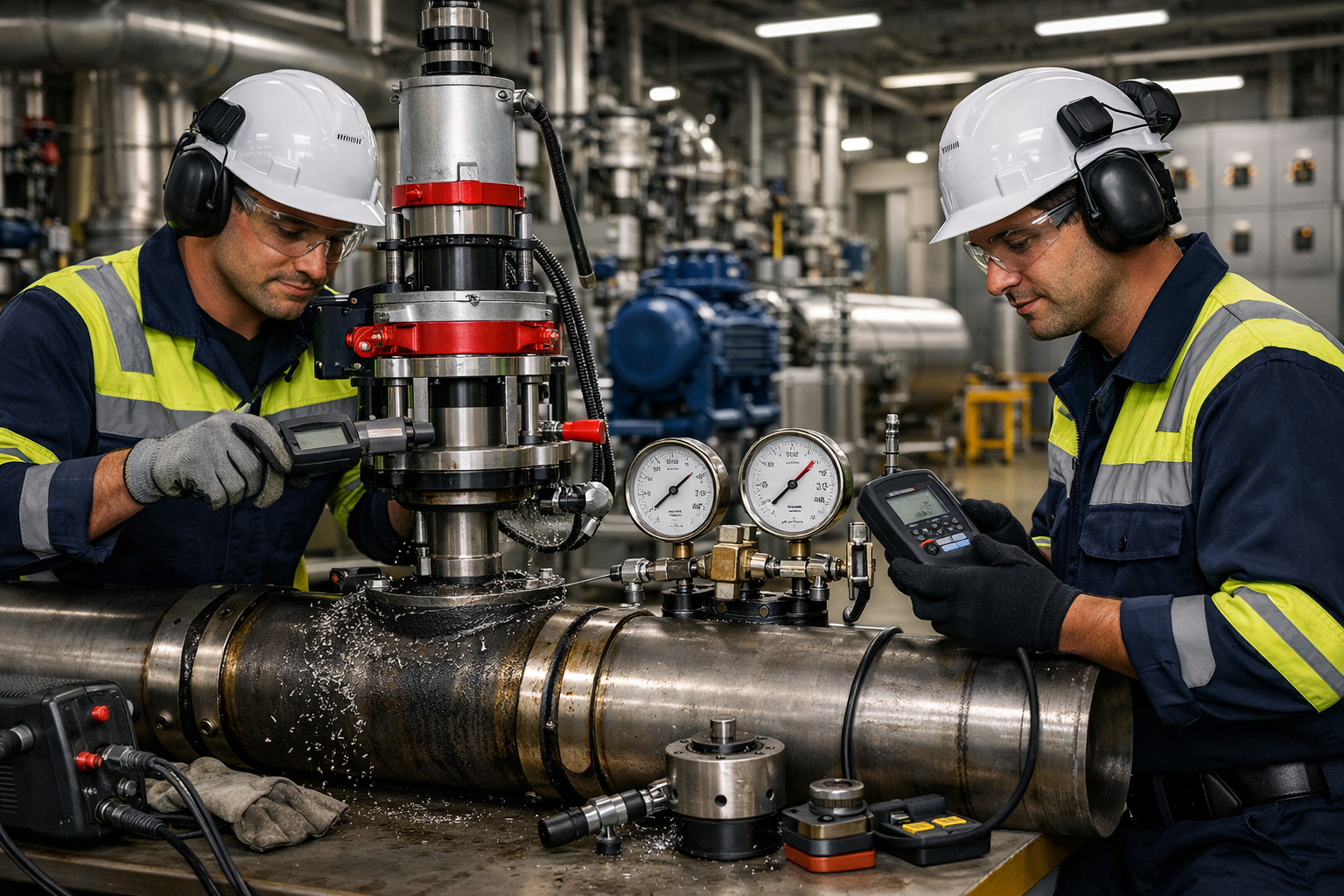
Many industries use Hot tapping services in Dubai when they need to connect to or modify a pipeline without stopping the flow inside it. This process helps reduce downtime, but every project takes a different amount of time. Some jobs can be completed quickly, while others require more planning and careful work. The project timeline depends on several important factors, including the pipeline condition, safety planning, weather, equipment, and site access.
Project Planning Takes Time
Every hot tapping project starts with proper planning. Engineers first collect information about the pipeline before any work begins. They study pipe size, pipe material, pressure, temperature, and the type of fluid flowing inside the line.
The team also prepares work permits, safety documents, and technical drawings. These steps help avoid delays during the actual work. A well-planned project usually moves more smoothly because everyone understands the work before arriving at the site.
Pipeline Size and Material
The size and material of the pipeline can change the project schedule. Larger pipes often require larger equipment and more preparation. Some pipe materials are easier to work with, while others need extra care during welding and cutting.
Older pipelines may also need additional inspections to confirm they are suitable for hot tapping. If repairs or cleaning are required before work begins, the project timeline may become longer.
Site Access and Working Conditions
The project location is another important factor. Some pipelines are easy to reach, while others are located in crowded industrial plants, underground areas, or high places.
If workers need special lifting equipment, scaffolding, or additional safety systems, more preparation time is required. Easy access usually allows work to begin faster, while difficult locations often increase the project schedule.
Safety Checks Before Work
Safety is always an important part of a hot tapping project. Before the operation starts, the team checks the condition of the pipeline and confirms that all equipment is working correctly.
Workers inspect welding machines, valves, cutting tools, and pressure levels. Emergency procedures are also reviewed before the job begins. These checks may take time, but they help reduce the chance of unexpected problems during the operation.
Weather Can Affect Outdoor Projects
Weather plays a major role when hot tapping work is performed outdoors. Heavy rain, strong winds, high temperatures, or poor visibility may delay the work.
Some welding activities cannot be completed safely during bad weather conditions. In such situations, the team may wait until the weather improves before continuing. This helps maintain safe working conditions and supports better work quality.
Equipment Availability
Hot tapping requires specialized equipment. The correct tapping machine, valves, fittings, and cutting tools must be available before work starts.
If any equipment needs maintenance, replacement, or transportation from another location, the project schedule may change. Proper equipment planning helps reduce unnecessary waiting time and keeps the project moving according to schedule.
Permit Approval Process
Many industrial sites require official work permits before maintenance activities begin. These permits confirm that the work follows site rules and safety requirements.
Permit approval may involve different departments, inspections, and document reviews. If approvals take longer than expected, the project start date may also be delayed. Preparing documents early often helps avoid unnecessary waiting.
Experience of the Work Team
An experienced team can complete project steps in an organized and efficient way. Skilled technicians understand the correct procedures and know how to solve small issues without creating major delays.
Good communication between engineers, supervisors, and technicians also helps keep the work on schedule. Clear planning and teamwork make every stage easier to manage.
Unexpected Site Conditions
Even after careful planning, some unexpected situations may appear during the project. Workers may find corrosion, damaged pipe sections, incorrect drawings, or limited working space.
When these conditions are discovered, extra inspections or repairs may be needed before hot tapping continues. Although this increases the project timeline, it helps protect both workers and the pipeline.
Coordination With Other Maintenance Activities
Industrial facilities often have several maintenance jobs taking place at the same time. Hot tapping work may need to be coordinated with other teams to avoid conflicts.
Scheduling equipment, workers, and work areas properly helps prevent delays. Good communication between all departments allows work to continue in a safe and organized manner.
Inspection After the Work
After the hot tapping operation is completed, final inspections are carried out. The team checks the connection, confirms there are no leaks, and verifies that the new branch connection works correctly.
These inspections are an important part of the overall timeline. They help confirm that the work has been completed safely and according to project requirements.
Every hot tapping project has its own schedule because each pipeline and work site is different. Planning, safety checks, weather, equipment, site conditions, and inspections all affect the amount of time needed. Understanding these factors helps explain why Hot tapping services in Dubai require careful preparation before work begins.
Categories
Read More
In the fast-growing world of online entertainment, users are looking for platforms that provide convenience, variety, security, and an enjoyable experience. 789WIN is an online entertainment platform created to offer users a wide selection of exciting gaming options in one place. With its modern design, smooth performance, and easy navigation, the platform provides an enjoyable environment for...

SEO reseller plans Bakersfield are widely used by digital marketing agencies that require structured and scalable search engine optimization solutions without building large in-house teams. These plans typically include a combination of keyword research, on-page optimization, technical SEO, content strategy, and link-building support. By using reseller-based models, agencies can manage multiple...

Instagram-driven fashion culture has transformed the way modern streetwear is viewed, especially across European cities where layered styling and visual identity dominate social feeds. In Poland, fashion enthusiasts are constantly balancing unpredictable weather with the desire to create standout outfits that photograph perfectly in urban environments. Oversized silhouettes, textured outerwear,...

Fashion in Australia is constantly evolving, blending global trends with the country's relaxed lifestyle and love for quality craftsmanship. Whether you're searching for casual everyday wear, premium streetwear, elegant work attire, or statement pieces for special occasions, Trendy Clothing Brands Australia offer something for every style and budget. Thanks to the growth of eCommerce,...