


What to Know About AC Repair & HVAC Services in Encino, CA Before Your System Fails
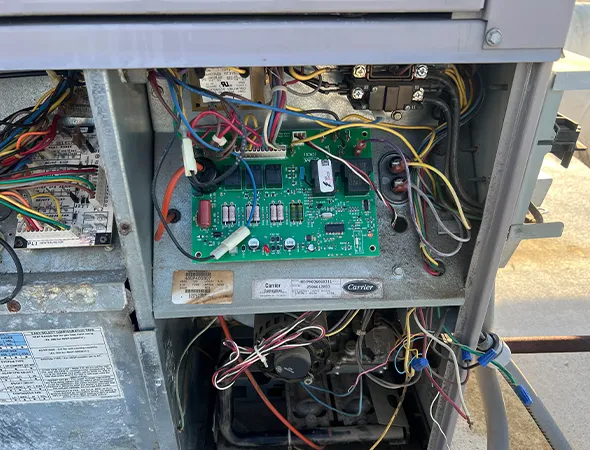
It usually happens on the hottest afternoon of the year. The air stops flowing, the house warms up fast, and the thermostat clicks with no response. For homeowners weighing AC Repair & HVAC Services in Encino, CA, that moment is often the first time they think seriously about the system keeping them comfortable.
Southern California summers push cooling equipment hard. Encino regularly sees stretches above 90°F, and older units strain to keep up. Understanding how these systems work — and when they break — helps you act early instead of scrambling during a heat wave.
How Home HVAC Systems Actually Work
HVAC stands for heating, ventilation, and air conditioning — the combined system that controls the temperature and airflow in your home. The air conditioner pulls heat out of indoor air and releases it outside. The furnace or heat pump handles the reverse in cooler months.
Most residential systems share the same core parts: a compressor, a condenser coil, an evaporator coil, and a blower. When any one fails, the whole system underperforms. A failing compressor is the most expensive fix, often running several hundred to a couple thousand dollars depending on the unit.
The takeaway is simple. Small problems rarely stay small. A clogged filter or low refrigerant can stress other components until a $150 repair becomes a $1,500 one.
The Repairs Homeowners See Most Often
A handful of problems account for most service calls. Knowing them helps you describe the issue clearly when you call a technician.
-
Refrigerant leaks — the system runs but cools poorly, and you may hear a hissing sound near the lines.
-
Frozen evaporator coils — often caused by dirty filters or blocked airflow, which restrict the air the system needs.
-
Failing capacitors — a common reason the unit hums but won't start.
-
Thermostat faults — sometimes the AC works fine and the control simply misreads the temperature.
-
Worn blower motors — weak airflow from the vents even when the system is running.
Some of these you can catch early. A dirty filter, for example, is a five-minute fix that prevents at least three of the problems above.
Why Timing Matters More Than People Expect
Waiting costs money. A system that limps along uses more electricity to produce less cooling, and the strain shortens its lifespan.
A well-maintained central AC unit lasts 15 to 20 years. One that runs dirty, low on refrigerant, or with a struggling motor often fails closer to the 10-year mark. That gap represents thousands of dollars in early replacement.
There's also comfort and safety to weigh. During a heat wave, indoor temperatures can climb into dangerous territory for older adults, infants, and pets within hours. That's why fast response matters. Providers offering Emergency AC Repair in Thousand Oaks, CA and surrounding areas exist precisely because a broken system in July isn't a problem that can wait a week.
Real Situations Where Fast Repair Pays Off
Picture a family returning from a weekend away to a house sitting at 88°F, with a newborn in the home. The thermostat reads correctly, but the outdoor unit is silent. In cases like this, a same-day call for Emergency AC Repair in Thousand Oaks, CA can mean the difference between one uncomfortable evening and several.
Then there's the slower failure. A homeowner notices the system taking longer to cool each week. They ignore it until the unit quits entirely, usually at the worst time. Catching that drift early — during a routine tune-up — would have flagged the low refrigerant months before.
Local companies such as AQRS Heating and Air & Appliance Repair INC handle both scenarios, from planned maintenance to unplanned breakdowns. The pattern holds across the region: the earlier you address a warning sign, the smaller the bill.
What to Look for in a Service Provider
Choose based on response time, licensing, and clear pricing. In an area like Encino, where summer demand spikes, a provider that offers upfront estimates and same-day availability saves you both stress and money.
Ask three questions before booking. Are they licensed and insured in California? Do they charge a flat diagnostic fee or an hourly rate? Can they get to you the same day during peak season? The answers tell you most of what you need to know.
Frequently Asked Questions
How much does AC repair usually cost?
Most common repairs fall between $150 and $650, depending on the part. Compressor or coil replacements run higher, sometimes into the thousands. A diagnostic visit typically costs $75 to $150.
How often should an HVAC system be serviced?
Once a year at minimum, ideally in spring before cooling season starts. Systems in hot climates or with heavy use benefit from two visits a year — one for cooling, one for heating.
What counts as an emergency AC repair?
A complete cooling failure during extreme heat, refrigerant leaks, burning smells, or electrical issues all qualify. These affect safety or risk further damage, so they can't wait for a scheduled appointment.
Should I repair or replace an old AC unit?
Repair usually makes sense if the unit is under 10 years old and the fix costs less than half of a replacement. Beyond that, frequent breakdowns and rising energy bills often make replacement the cheaper long-term choice.
Why is my AC running but not cooling?
Common causes include a dirty filter, low refrigerant, a frozen coil, or a thermostat problem. Start by checking the filter and thermostat setting before calling a technician.
Categories
Read More
Every patient has unique goals and anatomical considerations, making individualized consultations an essential part of the treatment journey. Reputable clinics focus on understanding patient expectations while recommending the most suitable surgical approach based on medical evaluation. They also prioritize transparent communication, ensuring patients understand the procedure, recovery process,...

Maintaining a property involves protecting every part of the building, and the roof is undoubtedly one of the most important areas to consider. Over time, exposure to wind, rain, frost, and changing temperatures can affect the condition of even the strongest roofing systems. For homeowners and businesses seeking Roofing Services in Slough, professional roofing solutions provide the expertise...

Finding someone who shares your faith and values can feel challenging, especially on traditional dating apps where personal beliefs may not always be a priority. That's why many Christian singles choose dating platforms designed specifically for people seeking meaningful, faith-centered relationships. The best Christian dating apps combine modern matchmaking technology with communities built...

Thinking of starting a company in Dubai? Free Zone Company Formation in Dubai gives you full foreign ownership, simplified registration, and clear sector-focused options so you can launch faster and keep more control of your business. You can register a business with streamlined approvals, tax advantages, and licences tailored to specific activities, making free zones one of the fastest and...

