Why Vacant Property Management Is Essential for Protecting Your Investment
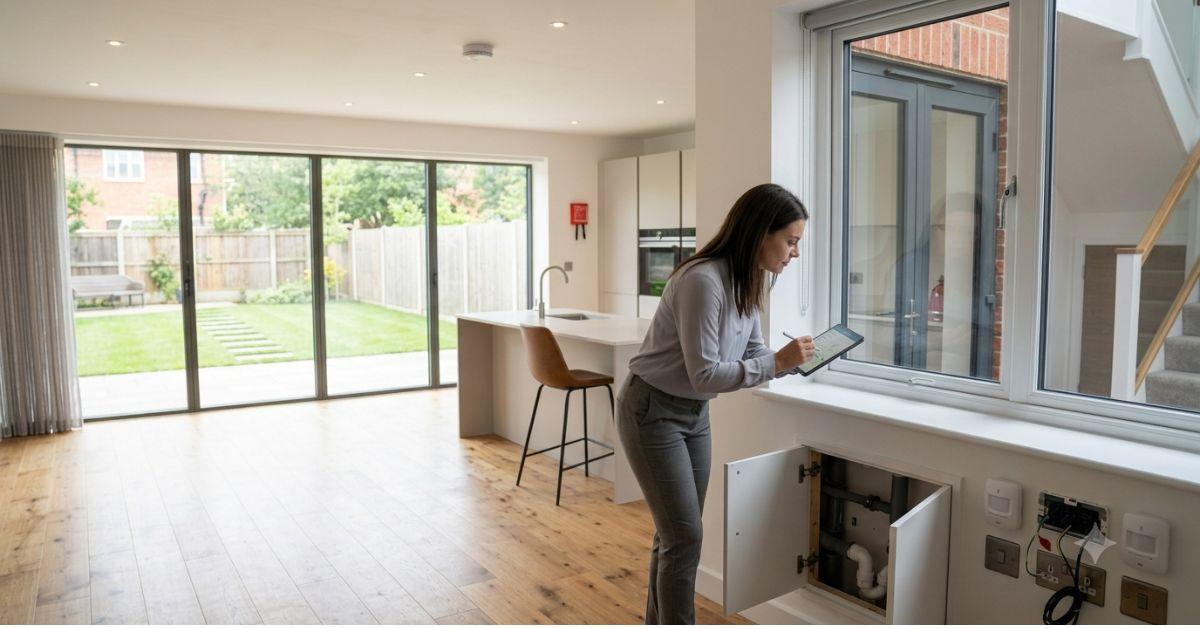
Owning real estate can be a highly rewarding investment, but vacant properties often present unique challenges that many property owners underestimate.
Whether a property is empty due to a tenant moving out, ongoing renovations, foreclosure, inheritance, or seasonal use, leaving it unattended can expose it to numerous risks.
From vandalism and theft to weather damage and costly maintenance issues, vacant buildings require specialized care to preserve their value.
This is where Vacant Property Management becomes crucial. Professional management services help safeguard unoccupied properties through routine inspections, maintenance, security monitoring, and preservation strategies.
By implementing proactive measures, property owners can reduce financial losses and ensure their assets remain in excellent condition.
In this article, we’ll explore why vacant property management is essential, the risks associated with empty properties, and how professional services help protect your investment for the long term.
What Is Vacant Property Management?
Vacant Property Management refers to the systematic oversight, maintenance, security, and preservation of unoccupied residential, commercial, or industrial properties.
The primary objective is to prevent deterioration, protect the property from external threats, and maintain its market value.
Property management professionals typically provide services such as:
-
Routine property inspections
-
Security monitoring
-
Lawn and landscape maintenance
-
Utility management
-
Weatherproofing
-
Emergency response services
-
Property preservation measures
-
Vendor coordination for repairs
These services ensure that an empty property remains safe, compliant, and ready for future occupancy or sale.
The Hidden Risks of Leaving a Property Vacant
Many property owners assume that locking the doors is enough to protect an unoccupied building. Unfortunately, vacant properties often become targets for various issues that can significantly impact their value.
1. Vandalism and Theft
Vacant properties are attractive targets for criminals. Empty buildings may experience:
-
Broken windows
-
Graffiti
-
Copper wire theft
-
Plumbing theft
-
Property damage
Without regular monitoring, these issues can go unnoticed for weeks or months, resulting in expensive repair costs.
2. Weather-Related Damage
Storms, heavy rainfall, snow, and extreme temperatures can damage an unattended property. A small roof leak can quickly become a major structural issue if not detected promptly.
Professional Property preservation services help identify weather-related damage before it escalates into costly repairs.
3. Pest Infestations
Vacant homes and buildings often attract:
-
Rodents
-
Insects
-
Birds
-
Termites
These infestations can damage structures, wiring, insulation, and plumbing systems while creating health hazards.
4. Insurance Complications
Many insurance policies have specific requirements for vacant properties. Failure to maintain regular inspections or adequate security measures may result in denied claims if damage occurs.
Implementing professional Property security solutions helps property owners remain compliant with insurance requirements.
5. Declining Property Value
An unmaintained property can quickly lose its curb appeal and market value. Overgrown landscaping, peeling paint, and neglected repairs create a negative impression on potential buyers or tenants.
Why Vacant Property Management Matters
Protects Your Financial Investment
Real estate often represents a significant financial commitment. Allowing an empty property to deteriorate can lead to substantial repair expenses and reduced resale value.
A structured Vacant Property Management plan protects the asset by ensuring all critical systems remain functional and secure.
Reduces Long-Term Maintenance Costs
Routine inspections can identify small issues before they become major problems.
For example:
-
A minor roof leak can be repaired before causing structural damage.
-
A plumbing issue can be fixed before extensive water damage occurs.
-
Electrical problems can be addressed before creating fire hazards.
Preventive maintenance is significantly less expensive than emergency repairs.
Ensures Regulatory Compliance
Some municipalities impose regulations regarding vacant properties. Owners may face fines or legal consequences if the property is not maintained according to local standards.
Professional managers help ensure compliance with:
-
Property maintenance codes
-
Safety regulations
-
Building standards
-
Occupancy requirements
The Role of Vacant Building Inspections
One of the most important components of successful property management is conducting regular Vacant building inspections.
What Do Inspections Include?
During inspections, professionals typically check:
-
Exterior condition
-
Roofing systems
-
Doors and windows
-
Plumbing systems
-
Electrical systems
-
HVAC equipment
-
Signs of trespassing
-
Water intrusion
-
Pest activity
Detailed reports help property owners stay informed about the property's condition.
Benefits of Regular Inspections
Regular inspections provide:
-
Early problem detection
-
Insurance documentation
-
Improved security
-
Reduced maintenance costs
-
Enhanced property value
Consistent monitoring creates a strong defense against unexpected issues.
Property Security Solutions for Vacant Buildings
Security is one of the biggest concerns for owners of empty properties.
Advanced Security Measures
Modern Property security solutions include:
Security Cameras
Remote monitoring systems allow owners and managers to view the property in real time.
Alarm Systems
Professional alarm systems provide immediate alerts if unauthorized access occurs.
Smart Access Control
Digital locks and remote access systems improve property security while allowing authorized personnel to enter when necessary.
Motion Sensors
Motion detection technology helps identify suspicious activity before significant damage occurs.
Lighting Systems
Well-lit properties are less attractive to criminals and trespassers.
Physical Security Enhancements
Property managers may also recommend:
-
Reinforced doors
-
Secure fencing
-
Window protection
-
Warning signage
These measures reduce the likelihood of vandalism and unauthorized entry.
Empty Property Maintenance: A Critical Investment Strategy
Many property owners underestimate the importance of Empty property maintenance.
Even when a property is unoccupied, routine upkeep remains essential.
Landscaping and Grounds Maintenance
Maintaining the exterior appearance helps:
-
Preserve curb appeal
-
Prevent municipal violations
-
Discourage trespassing
-
Protect property value
Services may include:
-
Lawn mowing
-
Tree trimming
-
Weed removal
-
Snow removal
Utility Management
Utilities often require ongoing monitoring even when the property is vacant.
Property managers may oversee:
-
Water systems
-
Electricity
-
Heating systems
-
Air conditioning equipment
This prevents frozen pipes, mold growth, and equipment failures.
Cleaning and General Upkeep
Routine cleaning prevents:
-
Dust accumulation
-
Mold growth
-
Odors
-
Pest infestations
A clean property remains ready for showings, inspections, or future occupancy.
Property Preservation and Long-Term Asset Protection
Property preservation focuses on maintaining the physical integrity and marketability of a property.
Key Preservation Services
Property preservation may include:
-
Winterization
-
Debris removal
-
Boarding damaged openings
-
Structural stabilization
-
Emergency repairs
These services help protect the property during extended vacancy periods.
Enhancing Market Readiness
When a property is eventually sold or rented, preservation efforts make it more attractive to buyers and tenants.
Well-maintained properties often:
-
Sell faster
-
Command higher prices
-
Require fewer repairs
-
Generate greater investor returns
Asset Protection Through Professional Property Management
Real estate ownership involves more than simply holding title to a property. Effective Asset protection requires active management and risk mitigation.
Financial Risk Reduction
Vacant property managers help reduce:
-
Repair costs
-
Liability exposure
-
Insurance risks
-
Revenue losses
Emergency Response Capabilities
Unexpected events can occur at any time.
Examples include:
-
Storm damage
-
Pipe bursts
-
Fire incidents
-
Security breaches
Professional managers can coordinate rapid responses that minimize losses and protect the property.
Vendor Coordination
Managing contractors and repair specialists can be time-consuming.
Vacant property management companies often coordinate:
-
Electricians
-
Plumbers
-
Landscapers
-
Roofing contractors
-
Security providers
This ensures repairs are completed efficiently and professionally.
How to Choose the Right Vacant Property Management Company
Selecting the right provider is critical to maximizing protection.
Look for Experience
Choose a company with proven expertise in managing vacant properties.
Verify Inspection Protocols
Ask about:
-
Inspection frequency
-
Reporting methods
-
Documentation procedures
Evaluate Security Services
Ensure the provider offers comprehensive Property security solutions.
Review Maintenance Capabilities
A reliable company should provide extensive Empty property maintenance services.
Check References and Reviews
Customer feedback can provide valuable insights into service quality and responsiveness.
The Financial Benefits of Professional Vacant Property Management
Although some owners hesitate to invest in management services, the long-term savings often outweigh the costs.
Cost Savings Include:
-
Fewer emergency repairs
-
Reduced vandalism losses
-
Lower insurance risks
-
Improved resale value
-
Faster property transactions
By preventing major issues before they occur, professional management delivers substantial financial benefits.
Conclusion
Vacant properties face unique challenges that can threaten their value, security, and long-term profitability. Without proper oversight, issues such as vandalism, weather damage, pest infestations, and maintenance neglect can quickly lead to significant financial losses.
Implementing a professional Vacant Property Management strategy provides a proactive solution for protecting real estate investments.
Through regular Vacant building inspections, comprehensive Property security solutions, ongoing Empty property maintenance, and effective Property preservation, owners can maintain their assets and maximize returns.
Whether you own a residential home, commercial building, inherited property, or investment portfolio, professional management services offer peace of mind while ensuring strong Asset protection for years to come.
Frequently Asked Questions
1. What is Vacant Property Management?
Vacant Property Management involves securing, maintaining, inspecting, and preserving unoccupied properties to protect their value and condition.
2. Why is vacant property management important?
It helps prevent vandalism, theft, weather damage, pest infestations, and costly repairs while preserving property value.
3. How often should vacant properties be inspected?
Most professionals recommend inspections weekly or bi-weekly, depending on location, risk factors, and insurance requirements.
4. What are vacant building inspections?
Vacant building inspections are routine evaluations that identify maintenance issues, security concerns, and potential property damage.
5. What services are included in empty property maintenance?
Services typically include landscaping, cleaning, utility monitoring, pest control, and general upkeep.
6. How do property security solutions protect vacant buildings?
They use cameras, alarms, lighting, access control systems, and monitoring services to deter unauthorized access and criminal activity.
7. What is property preservation?
Property preservation focuses on maintaining the physical condition and market readiness of vacant properties through repairs, weatherproofing, and preventive maintenance.
8. Can vacant property management reduce insurance risks?
Yes. Many insurance providers require regular inspections and maintenance to maintain coverage for vacant properties.
9. How does vacant property management support asset protection?
It reduces financial risks, prevents deterioration, minimizes liability exposure, and preserves long-term property value.
10. Is professional vacant property management worth the investment?
Yes. The cost of professional management is often far less than the expense of major repairs, vandalism, or prolonged property deterioration.
Categorias
Leia mais
The global industrial explosives sector serves as the foundational pillar for the world’s primary industries, particularly mining, quarrying, and large-scale civil engineering. Industrial explosives are high-energy materials specifically engineered for controlled blasting operations to fragment rock and move earth with maximum efficiency and safety. From ammonium nitrate-based emulsions...

Underground probing pipes are devised to last for many age, but they are constantly unprotected to environments that can evenly depress their form. One of the chief causes of slab leaks is disintegration, a development that moderately deteriorates alloy pipes over opportunity. Since these pipes are buried beneath a factual groundwork, disintegration frequently goes ignored until a leak expands....
A Sp5der hoodie often becomes a key part of everyday clothing because of its comfort and streetwear appeal. Many people wear it regularly, which means it goes through washing, weather exposure, and daily movement. Over time, fabric can fade, prints can weaken, and shape can change if proper care is not followed. Knowing how to keep your Sp5der hoodie looking new helps extend its life and...

If you've managed maintenance operations for more than a few years, you've probably lived through at least one software rebrand that made you nervous. Your system didn't change overnight, but the name on the login screen did, and suddenly your team is asking whether they need new training, new contracts, or a new vendor relationship altogether. That's exactly where a lot of asset-heavy...