Shock Absorber Repair: How to Spot Failure and Why It Affects Safety
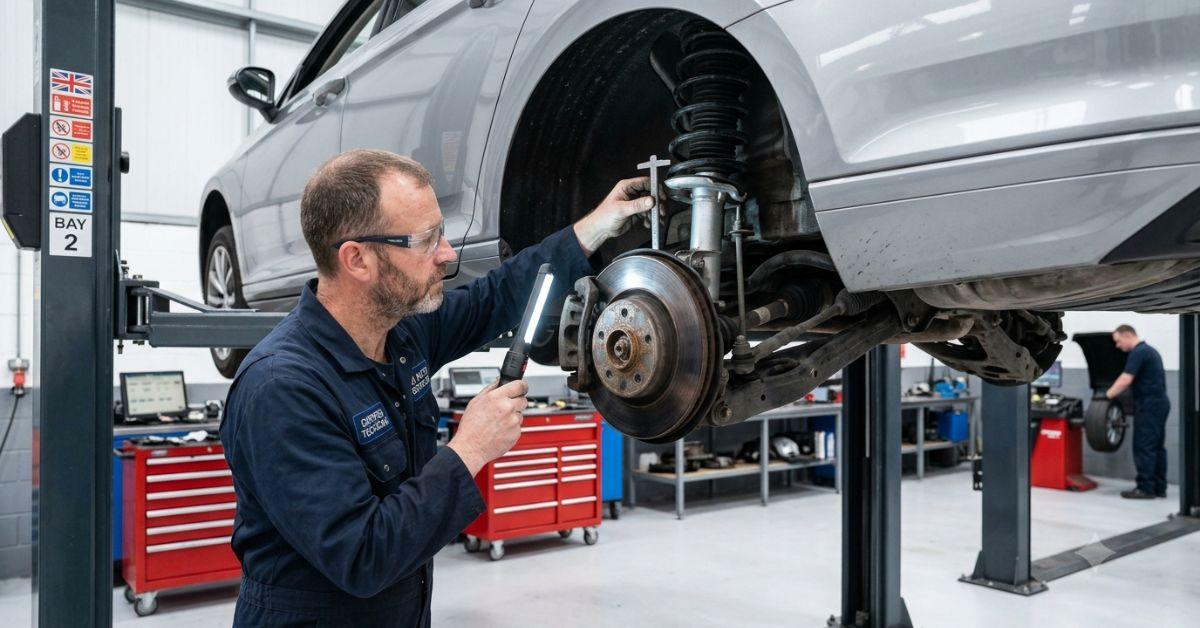
Your car’s suspension system is one of the most important yet often ignored parts of vehicle maintenance. At the heart of this system are shock absorbers, which control how your car reacts to bumps, potholes, and uneven roads.
When they fail, the impact is not just about comfort it directly affects safety, braking distance, and vehicle stability.
Understanding shock absorber repair is essential for every driver because worn shocks can gradually damage other suspension components and increase accident risk. Many drivers only notice the problem when the ride becomes uncomfortable, but by then, the issue is usually already serious.
In this article, we’ll explore how to recognize failing shocks, why they matter for safety, common symptoms, repair options, lifespan expectations, and answers to frequently asked questions.
What Are Shock Absorbers and Why Are They Important?
Shock absorbers are hydraulic components designed to control the movement of your car’s springs. Without them, your vehicle would continue bouncing after every bump, making it difficult to control.
Their main functions include:
-
Stabilising the vehicle after bumps or dips
-
Maintaining tyre contact with the road
-
Improving braking efficiency
-
Enhancing ride comfort
-
Supporting overall suspension system performance
When shock absorbers wear out, the entire suspension system becomes unstable, leading to poor handling and increased wear on tyres and brakes.
Common Bad Shock Absorber Symptoms
Recognising early signs of failure can save you from expensive repairs and dangerous driving conditions. Here are the most common bad shock absorber symptoms:
1. Excessive Bouncing After Bumps
If your car keeps bouncing after going over speed bumps or potholes, it’s a clear sign of worn shocks. This is one of the most noticeable indicators of failure.
2. Uneven Tire Wear
Bad shocks cause tires to lose consistent contact with the road, leading to uneven tread wear patterns.
3. Nose Diving During Braking
If the front of your car dips sharply when you brake, your shock absorbers may no longer be controlling weight transfer properly.
4. Swerving or Body Roll
A failing suspension system can make your car lean excessively during turns or feel unstable at higher speeds.
5. Fluid Leakage
Visible oil leaking from the shock absorber body indicates internal damage and loss of hydraulic fluid.
Suspension Repair Signs You Should Never Ignore
Aside from obvious symptoms, there are subtle suspension repair signs that often go unnoticed:
-
Steering feels loose or unresponsive
-
Increased vibration while driving
-
Car feels “floaty” on highways
-
Knocking or clunking noises from wheel area
-
Reduced braking performance
These issues usually develop gradually, which is why many drivers ignore them until the problem becomes severe.
Car Bouncing After Bumps: A Major Warning Sign
One of the clearest indicators that you need shock absorber repair is a car bouncing after bumps. When shock absorbers lose their damping ability, they fail to control spring movement.
A simple test:
-
Push down firmly on your car’s hood
-
Release it
-
If it bounces more than 1–2 times, your shocks are likely worn
This symptom is not just about comfort it directly affects road grip and braking stability.
Shock Absorber Lifespan: When Should You Replace Them?
The shock absorber lifespan depends on driving conditions, road quality, and vehicle type. On average:
-
Normal conditions: 60,000 to 100,000 km
-
Rough roads: 40,000 to 60,000 km
-
Heavy load usage: 30,000 to 50,000 km
Factors that reduce lifespan:
-
Driving on pothole-filled roads
-
Frequent off-road driving
-
Overloading the vehicle
-
Lack of suspension maintenance
Even if your shocks are not leaking, performance can degrade over time, making regular inspection essential.
Ride Comfort Issues Caused by Worn Shocks
One of the earliest signs drivers notice is ride comfort issues. A healthy suspension system absorbs road imperfections smoothly, but failing shocks lead to:
-
Harsh and uncomfortable rides
-
Increased vibration inside the cabin
-
Feeling every bump and crack on the road
-
Fatigue during long drives
While comfort is important, the real concern is that poor shock performance reduces tire grip and vehicle control.
Suspension System Problems Linked to Faulty Shock Absorbers
Worn shocks don’t just affect comfort they trigger broader suspension system problems, including:
-
Damaged coil springs
-
Worn bushings and mounts
-
Steering misalignment
-
Premature tire replacement
-
Brake system strain
Ignoring shock absorber issues can lead to a chain reaction of mechanical failures that are far more expensive to repair.
Shock Absorber Repair vs Replacement
Many drivers wonder whether shocks can be repaired or must be replaced.
Repair:
In some older or heavy-duty vehicles, minor repairs such as seal replacement or oil refilling may be possible. However, this is rare in modern cars.
Replacement:
In most cases, full replacement is recommended because:
-
Internal damage is difficult to fix permanently
-
Safety standards require reliable damping performance
-
Repair costs may approach replacement costs
Replacing shock absorbers in pairs (front or rear) is highly recommended to maintain balance and stability.
Why Shock Absorber Failure Affects Safety
Failing shock absorbers are not just a comfort issue, they are a serious safety risk. Here’s why:
1. Increased Stopping Distance
Worn shocks reduce tire contact with the road, making braking less effective.
2. Poor Steering Control
Your car may drift or become unstable during sudden maneuvers.
3. Higher Risk of Skidding
On wet or uneven roads, poor suspension increases the chance of losing control.
4. Reduced Night Driving Stability
Vehicle instability becomes more dangerous in low visibility conditions.
In short, ignoring shock absorber repair can significantly increase accident risk.
Preventing Shock Absorber Damage
To extend the life of your suspension system, follow these preventive tips:
-
Avoid speeding over potholes and speed bumps
-
Do not overload your vehicle
-
Get regular wheel alignment checks
-
Inspect suspension every 10,000–15,000 km
-
Replace worn tires promptly
Good driving habits can significantly extend shock absorber lifespan and reduce repair costs.
Cost of Shock Absorber Repair
The cost of shock absorber repair or replacement varies depending on vehicle type and brand. Generally:
-
Economy cars: low to moderate cost
-
SUVs and luxury vehicles: higher cost due to advanced suspension systems
-
Labor charges vary based on workshop and location
While it may seem expensive, replacing shocks is far cheaper than repairing damaged tires, brakes, or suspension components caused by neglect.
Conclusion
Shock absorbers play a critical role in ensuring safe, stable, and comfortable driving. Ignoring early warning signs such as bad shock absorber symptoms, car bouncing after bumps, or general ride comfort issues can lead to serious suspension system problems and increased safety risks.
Regular inspection and timely shock absorber repair or replacement not only improve driving comfort but also protect you, your passengers, and your vehicle from unnecessary danger and expense.
FAQ’s
1. What are the most common bad shock absorber symptoms?
The most common symptoms include excessive bouncing, uneven tire wear, nose diving while braking, and poor handling.
2. How long do shock absorbers usually last?
The shock absorber lifespan is typically between 60,000 to 100,000 km, depending on road conditions and driving habits.
3. Can I drive with bad shock absorbers?
Yes, but it is unsafe. It increases braking distance and reduces vehicle stability, especially at high speeds.
4. What causes shock absorbers to fail?
Common causes include rough roads, overloading, lack of maintenance, and normal wear over time.
5. How do I check if my shock absorbers are bad?
Press down on your car’s hood and release it. If it bounces more than twice, your shocks may be worn.
6. Is shock absorber repair possible or do they need replacement?
In most modern vehicles, replacement is recommended as repair is often temporary or unreliable.
7. What are suspension repair signs besides bouncing?
Signs include steering issues, unusual noises, vibration, and uneven tire wear.
8. Do bad shocks affect fuel efficiency?
Yes, poor suspension can increase rolling resistance and slightly reduce fuel efficiency.
9. How often should I inspect my suspension system?
It is recommended to inspect every 10,000 to 15,000 km or during regular servicing.
10. What happens if I ignore shock absorber problems?
Ignoring them can lead to unsafe driving conditions, damaged tires, and costly suspension system repairs.
Categories
Read More
Using a genuine OEM 2014 ford escape transmission for sale will improve the performance of your car. This gearbox is made to precisely match your car's specs, guaranteeing a perfect fit and performance. This dependable choice guarantees to restore the power and efficiency of your Escape, whether you're upgrading or replacing a worn-out unit. Don't pass up the opportunity to spend money...

Health problems can affect daily life in many ways, especially when they become long-term or keep returning. Many people today are choosing homeopathy because it focuses on treating the root cause instead of only reducing symptoms for a short time. Homeopathic treatment is known for its gentle approach, personalized care, and suitability for people of different age groups. When searching for...

Experience Luxury and Ultimate Companionship with Premium Khandala Escorts Nestled amidst the lush, mist-covered peaks of the Western Ghats, Khandala Escorts is a serene getaway famous for its breathtaking valleys, cascading waterfalls, and tranquil atmosphere. Whether you are visiting this beautiful hill station for a weekend retreat, a stressful business meeting, or a solo vacation, the right...

5 Trends Transforming the Global Diabetes Care Devices Market Through 2033 Diabetes is one of the most significant healthcare challenges of the 21st century. With millions of people requiring lifelong disease management, the focus has shifted from simply measuring blood glucose to delivering smarter, connected, and more personalized care. The Diabetes Care Devices Market is evolving...