


What Homeowners Should Know About Landscaping Services in Ringgold, GA
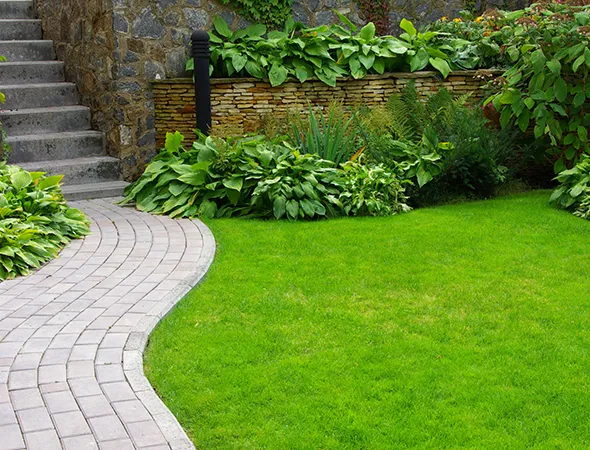
A neglected yard rarely stays a small problem. Overgrown brush creeps toward the fence line, water pools near the foundation after every storm, and a lot that once looked open turns into a tangle of saplings and weeds. For many property owners in North Georgia, that slow decline is what finally prompts a call for professional help. Landscaping services in Ringgold, GA cover far more than mowing and mulch — they include grading, drainage repair, planting, and full property cleanup.
Ringgold sits in Catoosa County, close to the Tennessee line, where clay-heavy soil and rolling terrain shape what a yard needs. That geography matters. What works on flat sandy ground in South Georgia often fails on a sloped clay lot near the ridges.
What Landscaping Work Actually Involves Here
Landscaping is the design, installation, and upkeep of the outdoor space around a property. It splits into two broad categories. Softscaping covers living elements — grass, shrubs, trees, and flower beds. Hardscaping covers built features — patios, retaining walls, walkways, and stone borders.
Most residential projects blend both. A homeowner who wants a level backyard for a patio usually needs grading first, then a retaining wall, then sod. Each step depends on the one before it. Skip the grading and the patio settles unevenly within a year or two.
Soil in this part of Georgia holds water. Clay drains slowly, which means standing water and root rot are common complaints. Good drainage work — French drains, regrading, or swales that channel runoff — often does more for a lawn than any fertilizer.
Seasonal timing shapes the work too. Cool-season fescue seeds best in fall. Warm-season Bermuda and zoysia establish in late spring. A crew that plants at the wrong time wastes both seed and money, so scheduling matters as much as technique.
The Practical Benefits Worth Paying For
The clearest benefit is time. A full lot cleanup or a drainage repair takes a homeowner with a rented machine several weekends. A trained crew with the right equipment finishes the same job in a day or two.
The second benefit is durability. Retaining walls built without proper drainage bulge and fail. Beds planted in compacted clay struggle for years. Experienced crews handle the parts that are invisible once the project is done — the base layers, the grading angles, the gravel behind a wall — which are exactly the parts that decide whether the work lasts.
There is a cost trade-off, and it is worth naming plainly. Professional work costs more upfront than doing it yourself. What you pay for is the reduced chance of redoing it. A wall that holds for 20 years is cheaper than one that needs rebuilding in five, even if the first quote looks higher.
Curb appeal is the benefit people mention most, and it is real. A graded, planted, well-edged yard raises how a property shows to buyers. But for owners staying put, the daily use of a usable, drained, level yard often matters more than resale numbers.
Where Land Clearing Fits In
Not every property starts as a lawn. Some are wooded lots, overgrown fields, or acreage that has sat untouched for years. That is where clearing comes before landscaping.
Forestry mulching is one common method. A machine grinds trees, brush, and stumps into mulch that stays on the ground as ground cover. It clears land without hauling debris away and without leaving the bare, rutted soil that traditional clearing creates.
Property owners searching for Forestry Mulching and Land Clearing in Chattanooga, GA are usually dealing with larger lots — building sites, pasture reclamation, or firebreak creation. Because Ringgold and the surrounding Chattanooga area share the same terrain and tree cover, the same crews and equipment often serve both. A lot that needs Forestry Mulching and Land Clearing in Chattanooga, GA today may need standard landscaping and grading once the ground is cleared and settled.
Real Situations Homeowners Face
Consider a family that buys a five-acre parcel outside Ringgold. Half of it is usable; the other half is choked with brush and small pines. Before they can fence a pasture or place a garden, the overgrowth has to go. Mulching clears it and leaves a surface they can plant on.
Or take a homeowner whose basement floods after heavy rain. The problem is not the basement — it is the slope of the yard pushing water toward the house. Regrading and a French drain fix the cause, not the symptom.
Then there is the seller preparing a home for market. A weekend of edging, mulching, and fresh sod changes the first photo a buyer sees. Small work, measurable return.
Firms that handle both clearing and finish landscaping, such as StoneworxPro LLC, tend to appear on projects that span the full range — from raw clearing to final planting. That overlap is common in a region where many lots need work at both ends of the scale.
Choosing the Right Approach
Match the service to the actual problem. A wet yard needs drainage, not more topsoil. An overgrown lot needs clearing before anything can be planted. A tired-looking front yard may only need edging and fresh beds.
Ask any crew how they handle drainage and grading before planting. That answer tells you whether they understand the clay soil that defines yards around Ringgold, GA, or whether they treat every lot the same. The difference shows up two seasons later.
Frequently Asked Questions
How much do landscaping services cost in Ringgold, GA?
Costs vary by project size and type. Basic maintenance runs lower than grading, drainage, or hardscaping, which involve equipment and materials. Getting two or three quotes gives you a realistic range for your specific lot.
What is forestry mulching, and how is it different from bulldozing?
Forestry mulching grinds trees and brush into mulch that stays on the ground. Bulldozing removes vegetation and topsoil, leaving bare, often rutted earth. Mulching protects the soil and skips the hauling and disposal step.
When is the best time to plant grass in North Georgia?
It depends on the grass type. Cool-season fescue does best when seeded in early fall. Warm-season Bermuda and zoysia establish in late spring, once the soil warms.
Why does my yard hold water after it rains?
Clay-heavy soil, common in the Ringgold area, drains slowly. Standing water usually points to a grading or drainage issue rather than a soil-amendment problem. Regrading or a French drain typically addresses the cause.
Do I need to clear land before landscaping a wooded lot?
Yes, in most cases. Overgrown or wooded lots need clearing before grading and planting can begin. Clearing methods like forestry mulching prepare the ground so later landscaping work has a stable surface to build on.
الأقسام
إقرأ المزيد
Working in welding environments means constant exposure to sparks, heat, molten metal, and sharp materials. That’s why welding trousers are one of the most important pieces of protective clothing for anyone in the trade. While many welders focus on helmets and gloves first, leg protection is just as critical for preventing burns, cuts, and long-term injuries. From...

Labubu figures have captured the attention of collectors across Mexico because of their playful expressions, Labubu detailed craftsmanship, and creative storytelling. Fans enjoy collecting characters that combine fantasy themes with artistic design, creating a unique experience that feels different from traditional toys. The popularity of designer collectibles continues to grow...

Discover Elongated Cushion Cut Engagement Rings: The Ultimate Guide to choosing the perfect diamond. Learn about styles, settings, quality, and how to find the ideal cushion cut engagement ring for your proposal. Elongated Cushion Cut Engagement Rings: The Ultimate Guide Selecting an engagement ring is one of the most meaningful decisions a couple will make. While many diamond shapes have...

Cinematography has not changed alone, as has been the case for a long time. It has altered the makeup, prosthetics, costume detailing, and especially the use of temporary body art. In the past, when films and stage plays were made or not, a simple decal tattoo might often have gone unnoticed. It is not as easy today. Audiences can see with 4K cameras, stream close-ups, and get sharper lighting...

