How Two-Wheeler Rentals Are Changing Urban Mobility in India
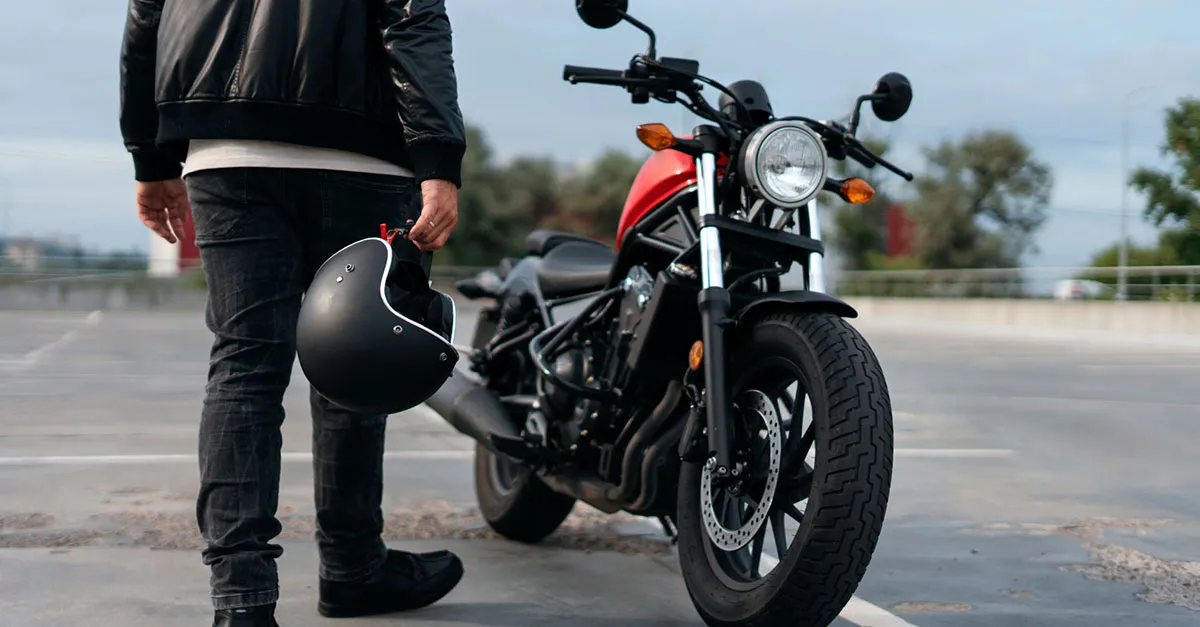
India’s mobility ecosystem is undergoing a noticeable transformation as commuters increasingly look for transportation options that are affordable, convenient, and easy to access. In densely populated cities, traditional vehicle ownership can involve high upfront costs, maintenance expenses, parking challenges, and long travel delays. These factors are encouraging consumers to explore flexible mobility services that better match their daily transportation needs.
Two-wheeler rentals have emerged as a practical solution for students, working professionals, tourists, delivery personnel, and short-distance commuters. Instead of purchasing a motorcycle or scooter, users can access vehicles for a few hours, days, or longer periods depending on their requirements. Digital booking platforms, smartphone adoption, and cashless payments are further simplifying the rental experience and making shared mobility more accessible.
This evolving mobility pattern is also reflected in research on the two-wheeler rental ecosystem in India. According to MarkNtel Advisors, the sector is projected to expand from around USD 89 million in 2026 to nearly USD 245 million by 2032, registering a CAGR of approximately 18.38% during 2026–2032. The outlook highlights how changing ownership preferences, digital services, and new mobility requirements are influencing rental adoption.
Urban Congestion Is Encouraging Flexible Transportation
Traffic congestion remains one of the biggest mobility concerns across major Indian cities. Commuters often spend considerable time travelling through crowded roads, while parking availability can create additional difficulties. Two-wheelers offer greater maneuverability in congested areas and are generally easier to park than larger vehicles.
Rental services add another level of flexibility by allowing users to access a vehicle only when required. A professional may rent a scooter for a short commute, while a tourist can use a motorcycle to explore a destination independently. This on-demand model supports consumers who want personal mobility without the financial and operational responsibilities associated with ownership.
Gig Economy Expansion Is Supporting Rental Demand
The rapid development of app-based delivery and service platforms is creating new mobility requirements across India. Food delivery, grocery distribution, e-commerce logistics, and other platform-based services depend heavily on fast and reliable last-mile transportation.
For gig workers, purchasing a vehicle may involve loan payments, insurance, servicing, and repair expenses. Rental models can reduce the initial financial barrier by providing access to ready-to-use vehicles. Flexible rental durations may also help workers align transportation costs with their earning patterns.
As the platform economy expands into Tier II and Tier III cities, the need for accessible two-wheeler mobility could become more significant. Rental operators that offer well-maintained fleets, transparent pricing, and convenient digital onboarding may be better positioned to serve this growing customer base.
Self-Drive Rentals Are Becoming a Preferred Choice
Consumer preference for independent travel is another important factor influencing two-wheeler rental adoption. Self-drive services allow users to select their routes, control travel schedules, and avoid dependence on fixed public transportation timings.
This flexibility is particularly valuable for tourists and younger consumers who prefer personalized travel experiences. Motorcycles and scooters can provide convenient access to local attractions, commercial areas, educational institutions, and destinations where public transport connectivity may be limited.
According to the referenced research, self-drive rentals account for a significant portion of rental revenue, demonstrating the growing preference for independent mobility. Digital verification, online booking, GPS-based fleet tracking, and app-based payment systems are also improving the convenience of these services.
Electric Two-Wheelers Are Entering Rental Fleets
Electric mobility is gradually creating new possibilities for rental operators. Electric scooters and motorcycles can support lower-emission transportation while potentially helping fleet businesses manage certain operating expenses over the vehicle lifecycle.
For consumers, renting an electric two-wheeler provides an opportunity to experience EV technology without making an immediate purchase commitment. Users can understand charging requirements, vehicle range, riding performance, and everyday practicality before considering long-term adoption.
Rental operators are increasingly exploring electric fleets for urban commuting and commercial mobility applications. However, charging infrastructure, battery performance, maintenance capabilities, and vehicle availability will remain important considerations. Stronger coordination between mobility providers, charging networks, and vehicle manufacturers could support broader electric rental adoption.
Technology Is Improving the Rental Experience
Digital transformation has become central to modern two-wheeler rental services. Mobile applications allow customers to locate vehicles, complete verification, make payments, and manage bookings through a single interface. This reduces paperwork and creates a faster rental process.
For operators, fleet management technologies can provide information about vehicle location, utilization rates, maintenance schedules, and operational performance. GPS tracking and telematics can also support fleet security and help businesses identify vehicles that require servicing.
Data-driven fleet management may become increasingly important as operators expand across multiple cities. Understanding booking patterns and vehicle demand can help companies position fleets more efficiently and reduce vehicle downtime.
Organized Rental Operators Have New Opportunities
India’s two-wheeler rental landscape remains fragmented, creating opportunities for organized and compliance-focused service providers. Consumers are becoming more conscious of vehicle quality, pricing transparency, documentation, safety, and customer support when selecting mobility services.
Operators that standardize maintenance practices and provide clear rental policies can strengthen customer confidence. Subscription plans, corporate mobility partnerships, tourism-focused packages, and gig-worker rental programs may also help businesses reach specific user groups.
Expansion beyond major metropolitan areas presents another opportunity. Rising digital adoption and changing commuting needs in smaller cities could create demand for structured rental services. However, operators will need to understand local mobility patterns before deploying large fleets.
What Does the Future Hold for Two-Wheeler Rentals?
The future of two-wheeler rentals in India will likely be shaped by digital mobility, electric vehicles, the gig economy, and changing attitudes toward vehicle ownership. Consumers increasingly value convenient access and flexible usage, particularly for short-distance and temporary transportation needs.
Rental providers that combine reliable vehicles with seamless digital experiences and transparent service models may gain stronger consumer acceptance. At the same time, electric fleet integration and advanced fleet management technologies could reshape operational strategies.
As Indian cities continue to evolve, two-wheeler rentals can play a meaningful role in creating more flexible mobility options. The shift from ownership-focused transportation toward access-based services signals a broader change in how people approach everyday travel, making rental mobility an increasingly relevant part of India's transportation ecosystem.
Categories
Read More
The Monopoly GO x The Simpsons Album has quickly become one of the most exciting sticker collections ever introduced to the game. Featuring iconic characters, memorable scenes, and exclusive rewards, this limited-time album gives players plenty of reasons to complete every sticker set before the event ends. However, collecting all the required stickers can be challenging, especially when rare...

Modern lifestyles, unhealthy eating habits, stress, and environmental pollution can slowly affect the body’s natural balance. Many people today are looking for safe and natural ways to restore wellness and improve their overall health. This is where Ayurvedic Detox Therapy in India has become one of the most trusted healing approaches for complete mind and body rejuvenation. India is...

The healthcare industry has experienced remarkable changes over the past decade, driven by technology, digital services, and a stronger focus on patient convenience. One of the most practical developments is the growing availability of Lab Test at Home in Dubai services. Instead of traveling to a diagnostic center for routine blood work or preventive health screening, patients can now have...